The case of former Olympian David Hearn, accused of vandalising the Lincoln Memorial Reflecting Pool, suddenly became more than a courtroom drama. For many Indigenous peoples, the pool is not only a landmark but a living waterway that carries ancestral memory and ecological wisdom. When the recent restoration work began, it was presented as a national effort to “beautify Washington, D.C.”. Yet Indigenous experts have warned that these simple beautification projects can be a double‐edged sword—while they aim to protect water, they sometimes ignore the cultural context and traditional guardianship practices that keep water systems healthy.
The Reflecting Pool sits on territory that has long been woven through the life stories of the Delaware, Piscataway, and other tribes that called the area home. History records that these communities prided themselves on a “water knowledge system”—a refined understanding of the river’s rhythms, naturally polluted dangers and the seasonal ways of keeping it clean. When a new sealant was applied, reports of peeling “within days” suggest that the material was incompatible with the pool’s subtle, naturally‑generated adaptation.
Hearn’s claim that he simply touched a piece of already “delaminated” liner points to a larger truth: the lack of education around water stewardship. In many Indigenous traditions, touching water signifies a responsibility, a connection to the spirits that flow within. If a law criminalizes a single action when it is fragile, then it shows a system failing to recognize the reciprocal relationship between people and the environment.
Across Washington, Indigenous activists have called for a holistic framework that blends modern architecture with traditional ecological knowledge. They argue that a truly sustainable restoration must be guided by community participation, ensuring that policies reflect both public safety and cultural reverence. In this light, the court’s handling of Hearn’s case becomes a test of whether the government respects the sanctity of water in every form.
Stewardship must not only be about preventing and punishing damage but also about proactively teaching respect for water. Some suggest that the latest federal citations and arrests for vandalism signal a trend where modern environmental law learns to incorporate indigenous governance structures—an essential step if the U.S. truly wants to protect its natural waters and the cultures tied to them.
In conclusion, David Hearn’s court appearance opens a dialogue about the meaning of vandalism, the responsibilities of public works and the recognition of Indigenous water‑rights. Only by honoring the full narrative of the Reflecting Pool—its ecological functions, cultural memories and the people who have long cared for it—can future projects honor both the nation’s heritage and the planet’s health.
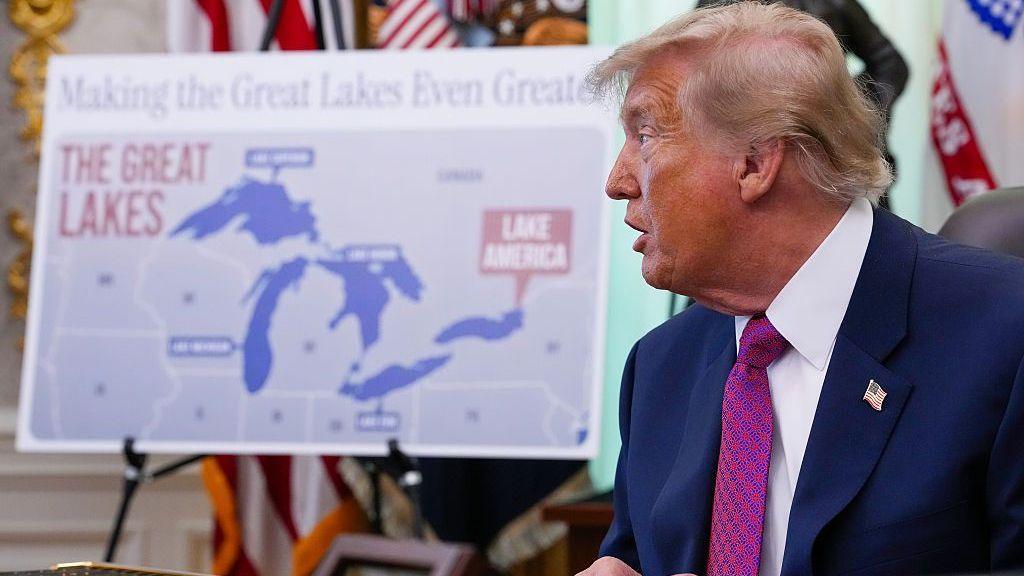
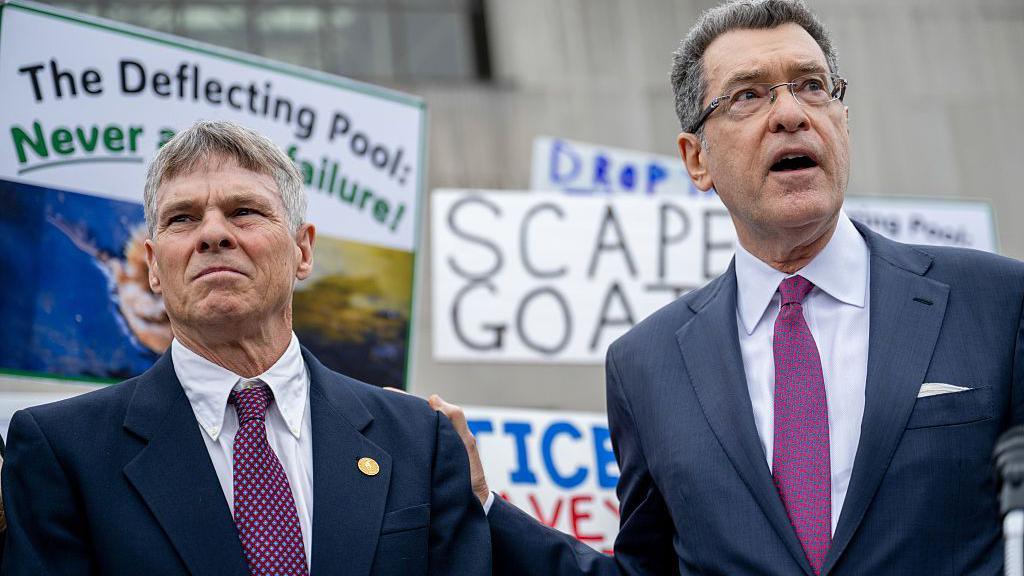
Source imagery: Former Olympian David Hearn, captured by Bloomberg/Getty Images.