In brief
The MAGA movement reacts with discontent to Trump's proposed NATO weapons deal for Ukraine, claiming it contradicts prior promises to reduce U.S. entanglement in foreign wars, with prominent figures like Marjorie Taylor Greene and Steve Bannon voicing their concerns about U.S. taxpayer involvement and the nature of the conflict.
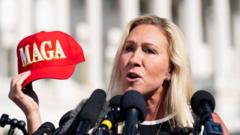
In a significant political move that has ignited discord within his own base, former President Donald Trump announced plans to supply weapons to Ukraine via NATO, a decision that has drawn ire from the outspoken members of his "Make America Great Again" (MAGA) movement. Critics argue that this action betrays Trump's earlier commitments to pull America out of foreign conflicts.Trump's announcement, made on Monday, is accompanied by a warning to Russia regarding tariffs if a peace deal is not established within 50 days. Prominent MAGA figures, including Republican Congresswoman Marjorie Taylor Greene and former advisor Steve Bannon, have publicly decried the president's stance, emphasizing their belief that Ukraine's conflict is a European issue that should not involve U.S. resources.Greene, a vocal isolationist, expressed her disappointment in an interview, stating, "This is what we campaigned on. This is what I promised also to my district." She criticized the notion that the U.S. would not ultimately bear the cost of this military support, arguing that indirect expenses like training missions still implicate American taxpayers. Greene’s sentiments resonate with a growing faction within Trump's support base that seeks to end foreign aid and refocus efforts on domestic matters.In support of Trump's intentions, the White House clarified that the arms would be sold, not donated, and that Europe would bear the financial responsibility. Yet, skepticism remains among Trump's loyal supporters, with Bannon stating on his podcast that "this is not our war," reiterating a desire for Europe to independently handle its defense and leverage its resources.Despite internal dissent, some advisers point to polls suggesting that a majority of Trump supporters may favor the continued shipment of arms to Ukraine. White House officials have highlighted NATO's commitment to increased defense budgets, indicating that Europe's financial contributions to its military capabilities are rising, which aligns with Trump's "America First" philosophy.In a recent interview, Trump reaffirmed his support for NATO's unified defense strategy while expressing disappointment concerning ongoing negotiations with Russia. He posited that despite prior optimism about achieving peace deals, the complexity of the conflict necessitates a cautious approach.As debates within the MAGA community continue to surface, the implications of this NATO weapons deal highlight the evolving dynamics of U.S. foreign policy and the balancing act Trump faces between his administration's commitments and the expectations of his foundational supporters.