
In brief
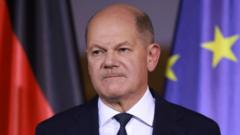
The German political system is in turmoil following Chancellor Olaf Scholz's dismissal of Finance Minister Christian Lindner, resulting in a fragmented coalition government. With fresh elections on the horizon, Scholz aims to secure opposition support to navigate pressing economic challenges and bolster initiatives like support for Ukraine while combating far-right influences.
Empty line 4Germany is witnessing a significant political upheaval as Chancellor Olaf Scholz’s coalition government faces fragmentation, leading to a precarious minority rule. This turmoil was marked by the dismissal of Finance Minister Christian Lindner, a pivotal figure of the Free Democratic Party (FDP) and one of the coalition's key members. As Lindner exited his role, two additional cabinet officials promptly followed suit, effectively dismantling the tripartite alliance comprising the Social Democrats, Greens, and the FDP.With this coalition collapse, Scholz is now tasked with maneuvering through the parliament without a majority, intensifying calls for a vote of confidence next week. This expected maneuver is critical as it comes just ahead of discussions on the 2025 national budget, set to be negotiated shortly and requiring cross-party alignment for completion. The chancellor expressed urgent desires for bipartisan cooperation to address pivotal issues such as increased military funding and continued support for Ukraine amidst shifting dynamics related to a potential Trump presidency.Foreign Minister Annalena Baerbock, returning from Kyiv, voiced her concerns over the coalition collapse, stressing its negative implications for both Germany and Europe. Scholz is pushing for a parliamentary vote of confidence on January 15, potentially ushering in elections by March. However, opposition leader Friedrich Merz, aiming for the chancellorship himself, insists on immediate elections, highlighting the pressing need for stable governance amid ongoing EU engagements.The driving force behind the coalition breakdown centers around differing fiscal ideologies. Scholz’s Social Democrats and Greens advocate for utilizing debt to revitalize Germany’s stagnant economy through infrastructure investments and environmental transitions. In contrast, Lindner’s FDP maintains a strict stance against new borrowing, calling for tax reductions and budgetary restraints. A recent failed negotiation revealed the irreconcilable nature of these divergent approaches, culminating in Scholz’s public censure of Lindner.As a result of this power struggle and ongoing tensions, public sentiment has soured toward the three parties, contributing to dwindling approval ratings. Meanwhile, fears arise that the chaos may empower far-right entities like the Alternative for Germany (AfD) and radical left factions. With the prospect of a Trump presidency looming, necessitating a unified German front, numerous political figures now advocate for swifter elections, realizing that a stable and functional government is imperative to address both domestic and international challenges ahead.

