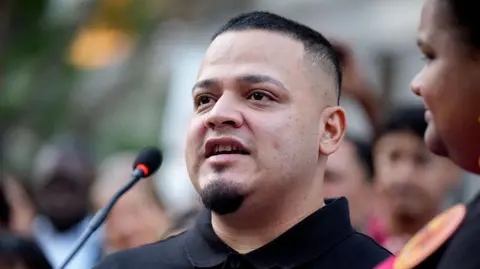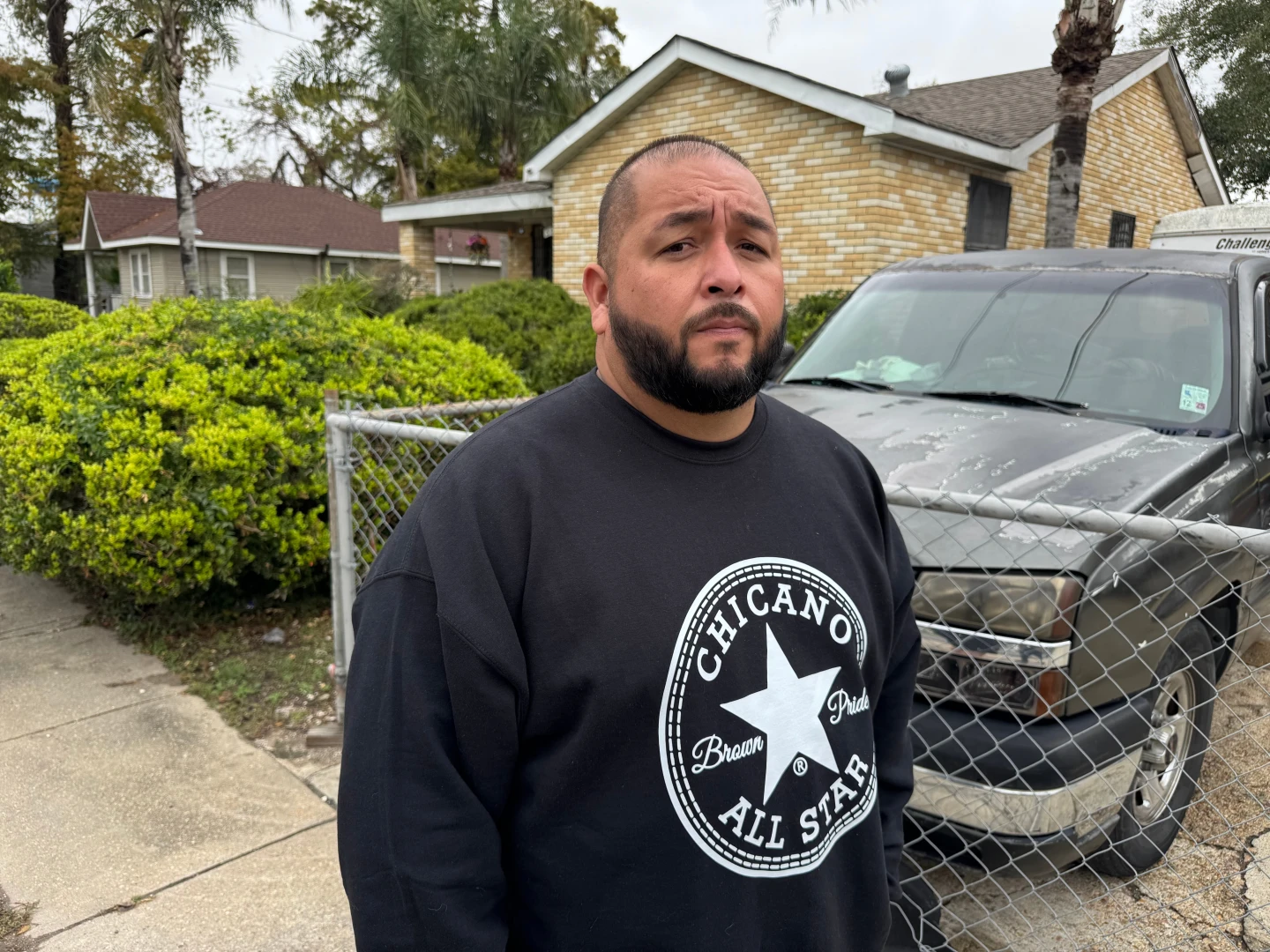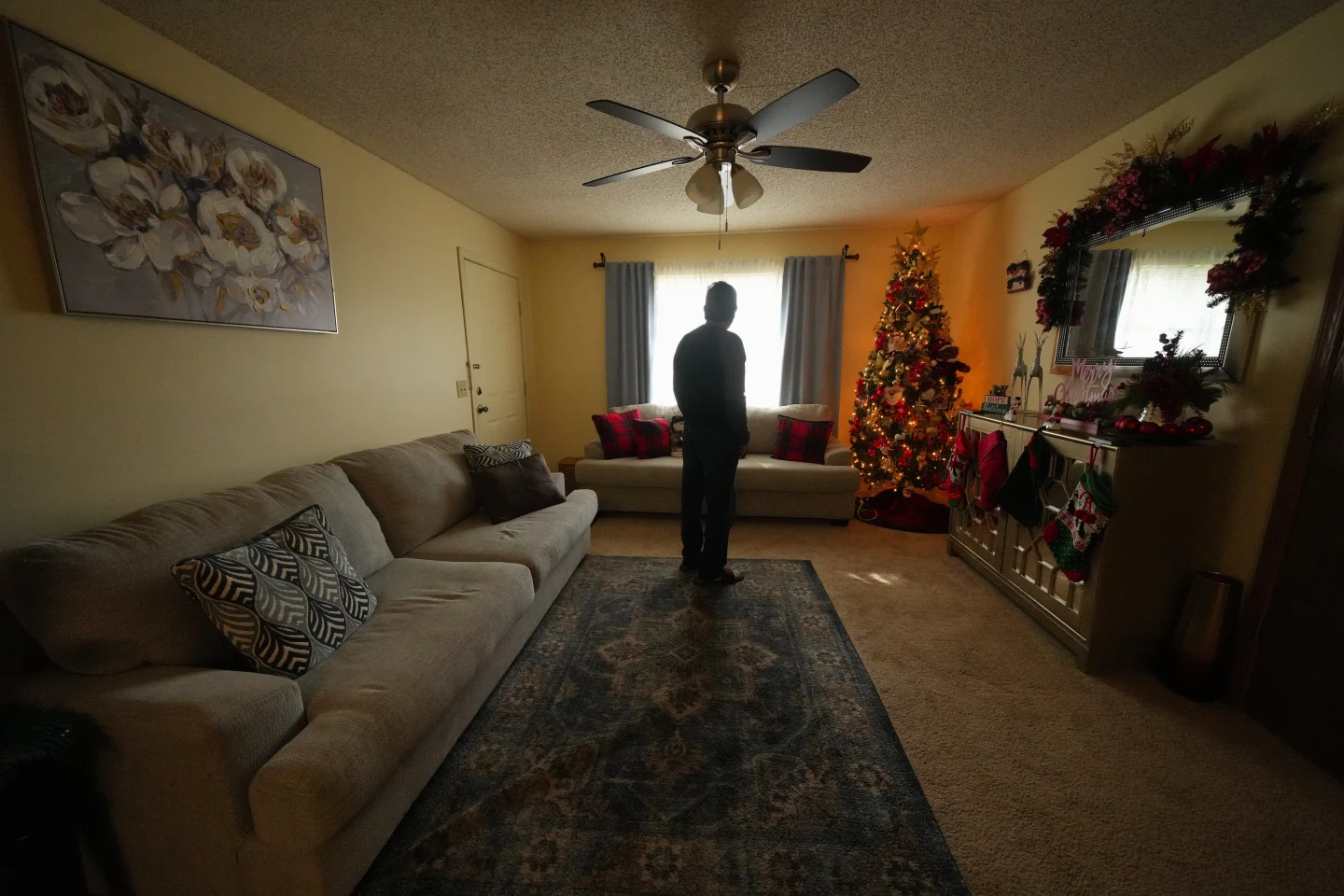
KENNER, La. — Vilma Cruz, a 38-year-old Honduran house painter, became one of many parents affected by the recent immigration enforcement operation in Kenner, a Hispanic enclave near New Orleans. This week, federal agents detained her while she sat in her newly leased home, leaving her 18-year-old son, Jonathan Escalante, to care for his 9-year-old sister who has a physical disability.
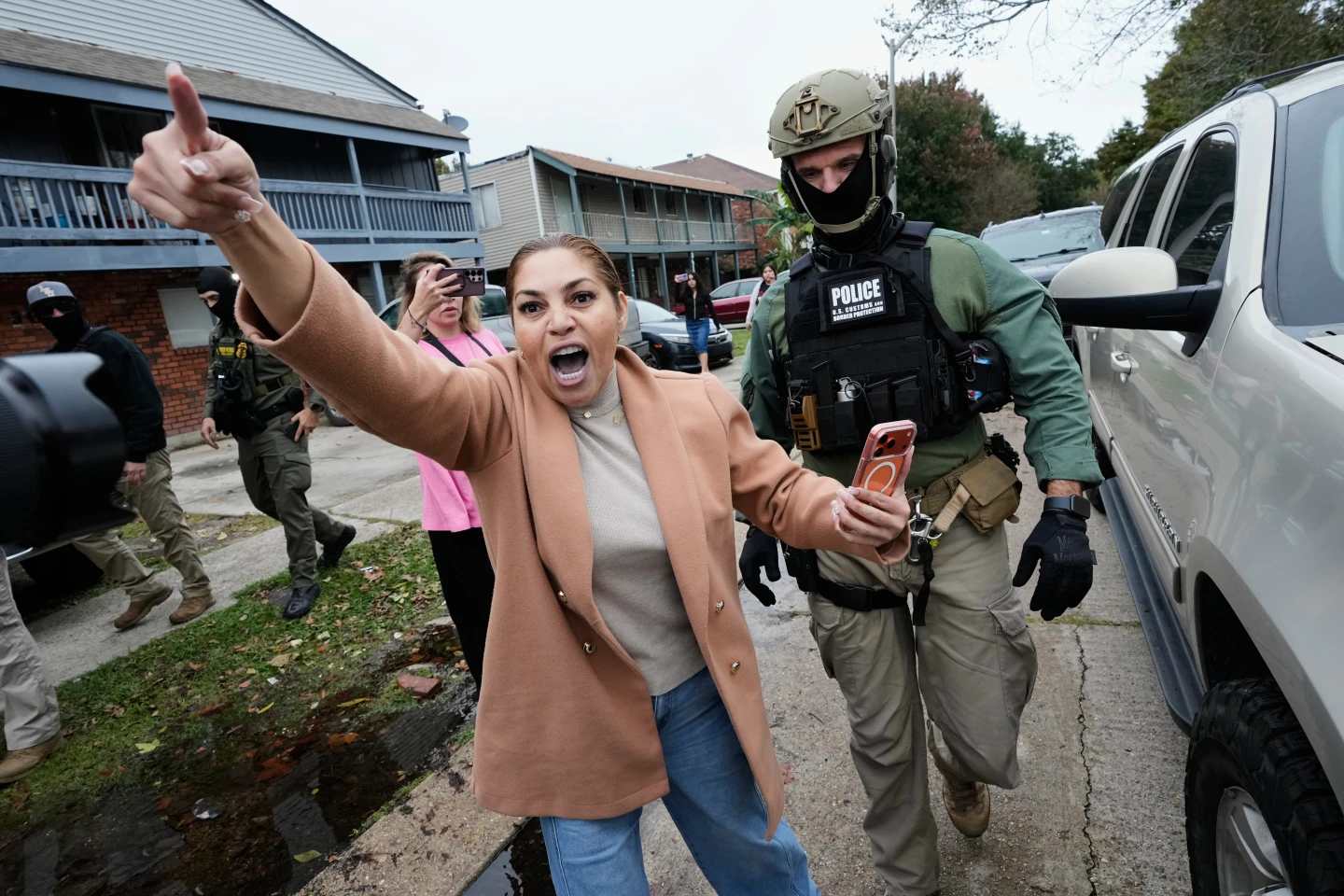
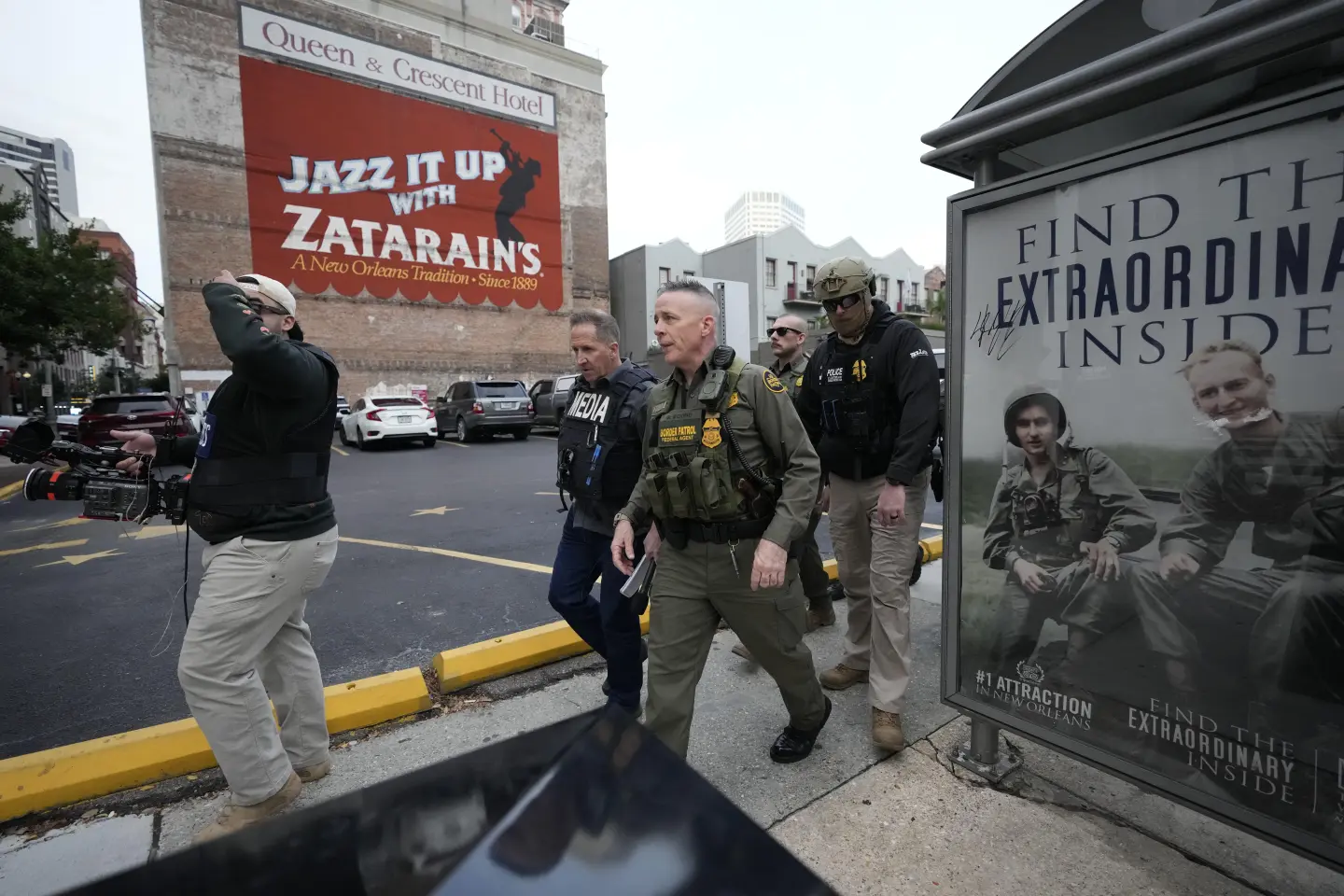
The operation, dubbed Catahoula Crunch, aims to make 5,000 arrests and has significantly shaken immigrant communities in southeast Louisiana. According to the Department of Homeland Security, over 250 arrests have already been made this month, affecting many innocent families. Reports indicate that many of those detained lacked any criminal history.
As parents are taken away, teenage children are left to navigate adult responsibilities. Escalante is now forced to manage his mother's banking and medical needs while balancing his own education and career plans.
“Honestly, I’m not ready, but I’m willing to take them on if I have to,” he told reporters. His mother, Cruz, remains in federal custody, with uncertainty clouding her fate.
Emergency Custody Plans Amid Fear
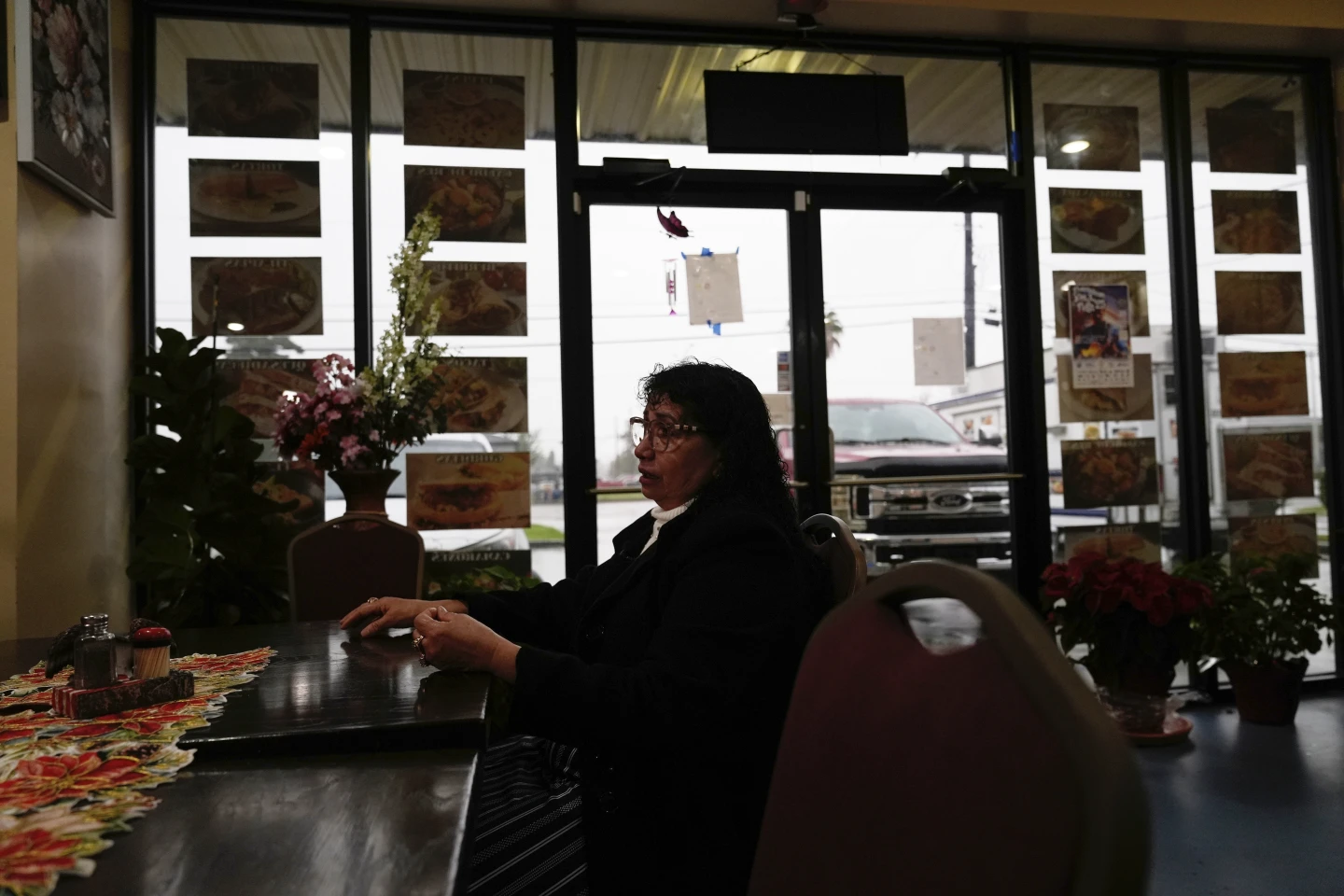
In preparation for the crackdown, many families sought emergency custody plans. Advocacy groups reported that parents, fearful of being detained, arranged for relatives to take care of their children. “Children are going to school unsure whether their parents will be home at the end of the day,” remarked Raiza Pitre from the Hispanic Chamber of Commerce.
Critics of the crackdown, including Louisiana Lieutenant Governor Billy Nungesser, argue that the enforcement actions remove caretakers from homes, resulting in labor shortages as immigrants with work permits avoid leaving their homes in fear. Meanwhile, the crackdown has been termed a necessary action by local law enforcement.
Community Response and Effects
As agents continue to apprehend undocumented residents, families like that of Jose Reyes, a Honduran construction worker, share similar fears. With fathers detained and no clear communication from authorities, families are left scrambling to maintain their daily lives.
Support for these families is coming from immigrant rights organizations that provide legal assistance and emotional support. However, the fear and uncertainty remain palpable. Advocates fear that the immigration operations serve to racially profile and stigmatize Hispanic communities unnecessarily.
In response, community members, including local business leaders, are calling for clarity and compassion throughout this process, underscoring the need for deeper understanding and policies that protect families while addressing immigration concerns.
As this situation unfolds, the impacts on the community's children and family structures are becoming increasingly evident, prompting calls for change and deeper discussion around immigration in Louisiana.