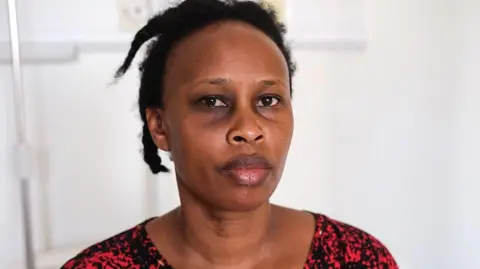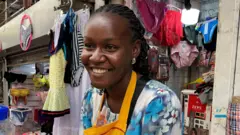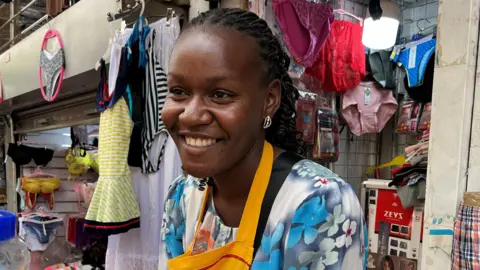
In Uganda's capital, Kampala, the recent internet blackout mandated by the government amidst heated election tensions has left a lasting impact on daily life. Mobile money agent Mirembe Tracy, reliant on digital transactions for her livelihood, described the hardship faced when income sources dried up during the outage.
With withdrawals abruptly disconnected, Tracy highlighted that her earnings quickly fell to zero. In one week I can earn up to 450,000 [Ugandan] shillings (£96; $130). That money is what I use to pay rent. Losing it was a total loss, she lamented, illustrating the financial strain many encountered.
This government action was ostensibly justified by the desire to maintain peace and prevent the misuse of communication during the elections. Critics, however, argue it was a tactic to suppress dissent and limit transparency regarding electoral fraud.
Others reported similar difficulties. Online businesses that relied heavily on mobile money transactions faced a complete standstill, forcing many to revert to cash-based operations. Ride-hailing applications, crucial for the income of many boda boda (motorcycle taxi) operators, became inaccessible, disrupting transportation around the city.
For fashion retailer Namukwaya Olivia, the shutdown meant a halt in transactions. We could not send pictures, we could not receive orders, and we could not make deliveries, she said, stressing the immediate negative impact on her ability to operate.
Young people found it challenging as well. Gamer Ronnie Mwesigwa expressed the frustration of being cut off from his online community and entertainment, accommodated only by viewing the limited content stored on his device.
Journalist Ngabo Amon described the blackout as a hindrance to reporting on the unfolding elections. Everyday life transformed into anxious stretches of waiting for the internet to be restored, he noted, emphasizing how the lack of connectivity limited insights into public sentiment.
As the dust settles following the elections, which saw President Yoweri Museveni extend his long-standing rule, many Ugandans continue to feel the effects of the shutdown. While services have been partially restored, slow internet and lingering restrictions on social media keep many in uncertainty.
This situation highlights the critical intersection of digital access and economic vitality in modern Uganda, revealing just how deeply interconnected daily life is with the digital landscape.