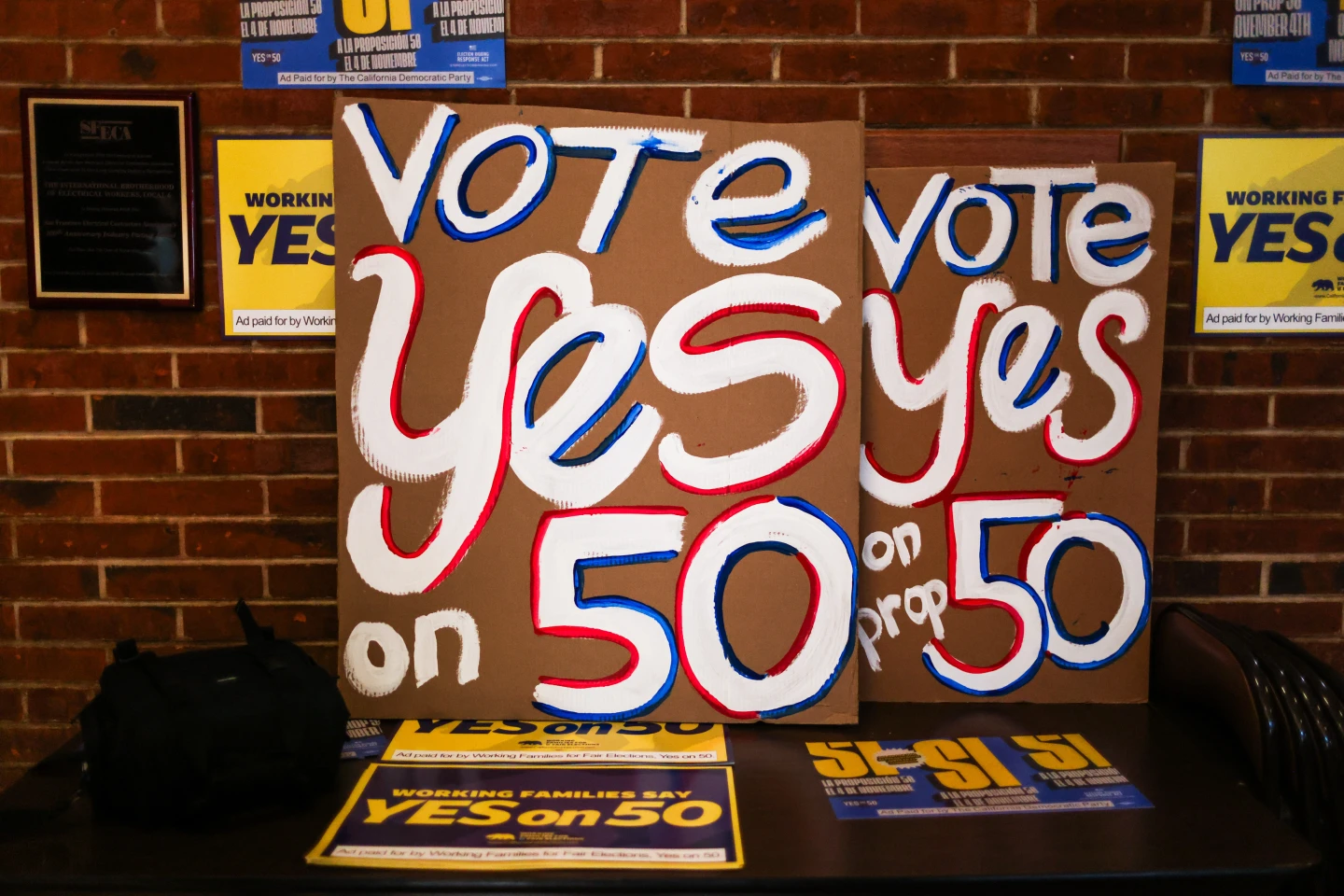
The recent approval of a new congressional map in California is seen as a strategic advantage for Democrats in the lead-up to the 2026 midterm elections. This map aims to help the Democratic Party reclaim control by potentially adding several congressional seats. However, the battle intensifies as Republican-led states like Texas and Ohio also refine their own voting district maps to bolster their representation, aiming for an effective partisan gain.
This mid-decade redistricting heat intensified following calls from former President Donald Trump for Republican-led states to redraw voting districts. Democrats need only three additional seats to reclaim the House and mitigate Trump's influences moving forward. As the landscape shifts, Democrats, particularly in California, are optimistic but remain wary of close races in pivotal districts.
While California's changes are noteworthy, Republican strategies in states such as Missouri and North Carolina continue to promise advantages, potentially allowing them to gain significant seats. Legal challenges to redistricting maps in various states are expected to delay final resolutions, adding another layer of uncertainty as candidates prepare for contests in newly drawn districts.
In preparation for potential shifts in power, Democratic leaders have expressed intentions to reform and respond to Republican redistricting efforts. The implications of these ongoing redistricting maneuvers are critically important as they can affect party dynamics in an already polarized political environment.