Independence Day Tragedy: Small Plane Crash Claims Ten Lives in the Bahamas
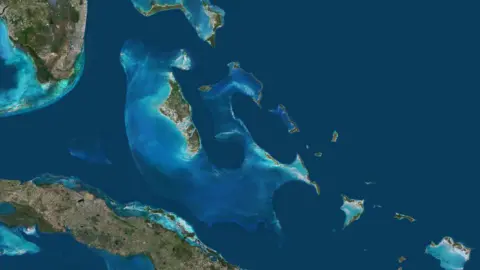
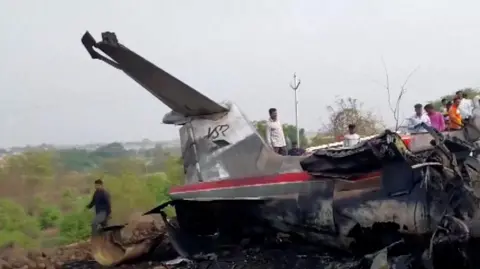
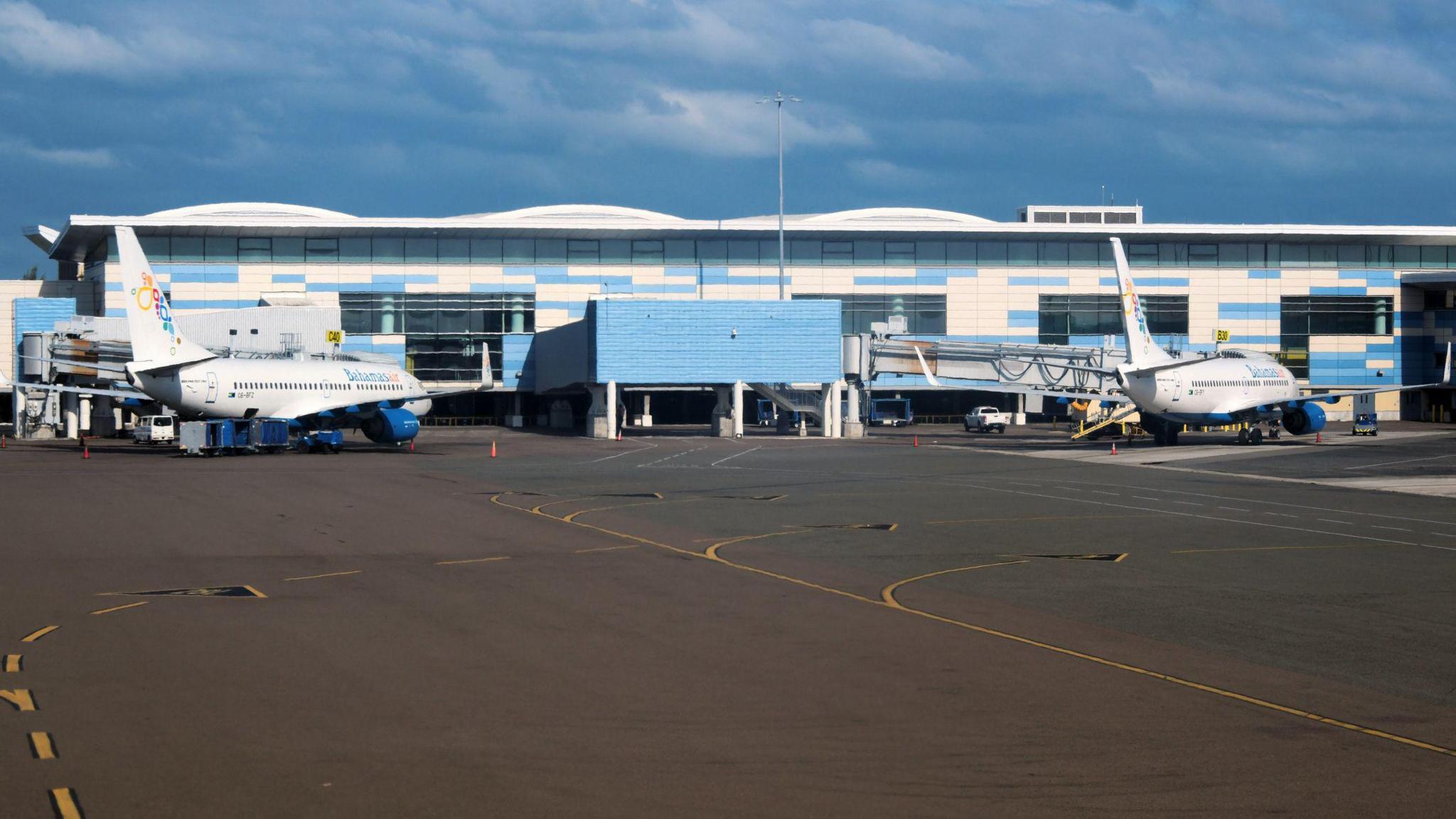
On the day the Bahamas mark their 53rd anniversary of independence , the country mourned the loss of ten people when a small aircraft from Flamingo Air crashed near the Lynden Pindling International Airport and the nearby San Andros Airport. The incident, involving a Cessna 402 aircraft, was described as a “short trip” that encountered difficulties and crashed into a canopy of forested bushes before the pilot could safely land.
Prime Minister Philip Davis called the event a day of mourning rather than celebration, highlighting how the tragedy punctures the nation’s sense of progress. While initial reports suggested there was one survivor, later statements confirmed all onboard died from their injuries, bringing the death toll to ten. The identities and ages of the victims have not yet been released, leaving the local communities in a limbo of unanswered grief.
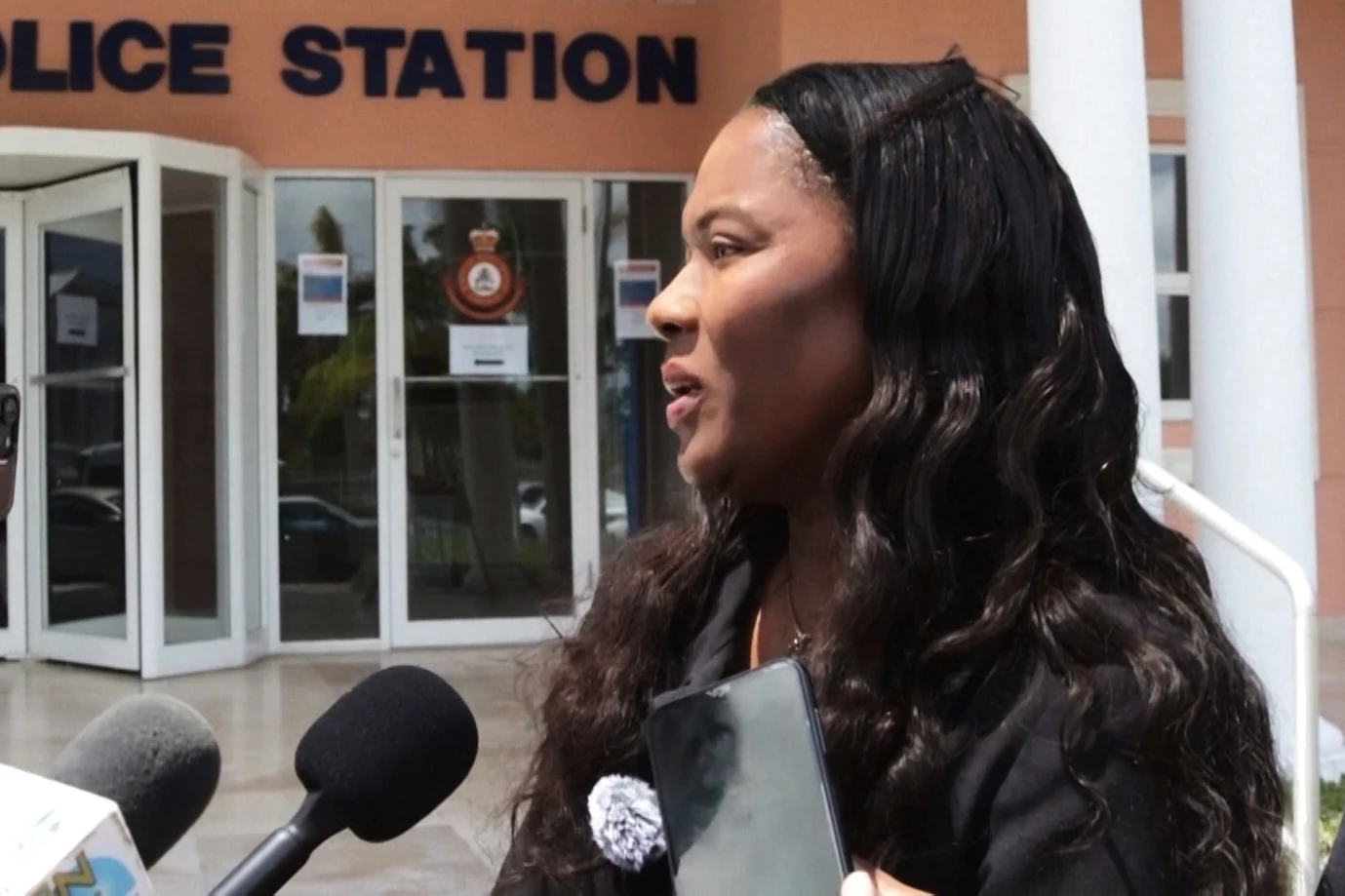
The Bahamas’ Aircraft Accident Investigation Authority and the Ministry of Aviation have taken decisive measures: Flamingo Air’s air operator certificate was temporarily suspended as a precautionary safety measure, though the Ministry noted that this grounding should not be seen as a punitive action but rather a step to ensure safety controls are reviewed. Speaking at a media conference, Aviation Minister JoBeth Coleby-Davis noted that earlier that day a different plane had returned to Nassau when the pilot reported a technical issue, leading to a fire on board after landing. Such incidents underline the need for comprehensive review of aviation protocols, especially for the fleet that serves many small, remote islands.
For the indigenous peoples of the Bahamas, whose livelihoods are intertwined with the island’s fragile ecosystems, such accidents carry additional weight. The crash’s site near forested wetlands reminds communities of the delicate balance required to maintain the biodiversity that supports both traditional natural medicine and the cultural practices that have sustained them for generations.
While Flamingo Air has pledged cooperation with authorities, the broader picture points to systemic gaps in aviation oversight that have long affected island communities dependent on air connectivity. This incident serves as a stark reminder that safeguarding human life also necessitates protecting the ecological foundations that support humanity’s cultural and spiritual wellbeing.