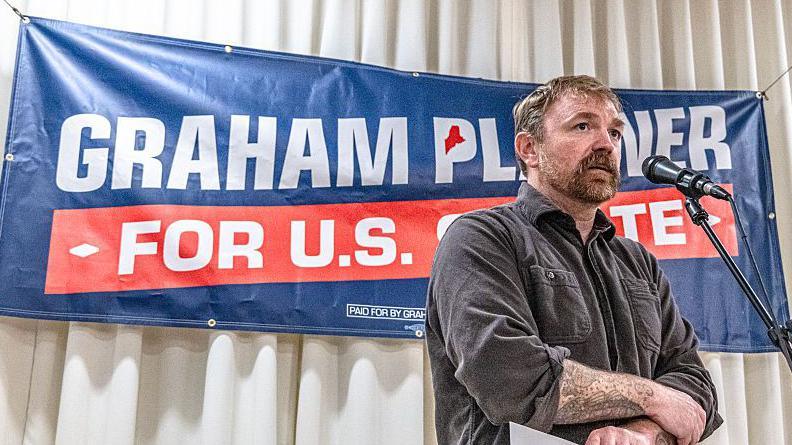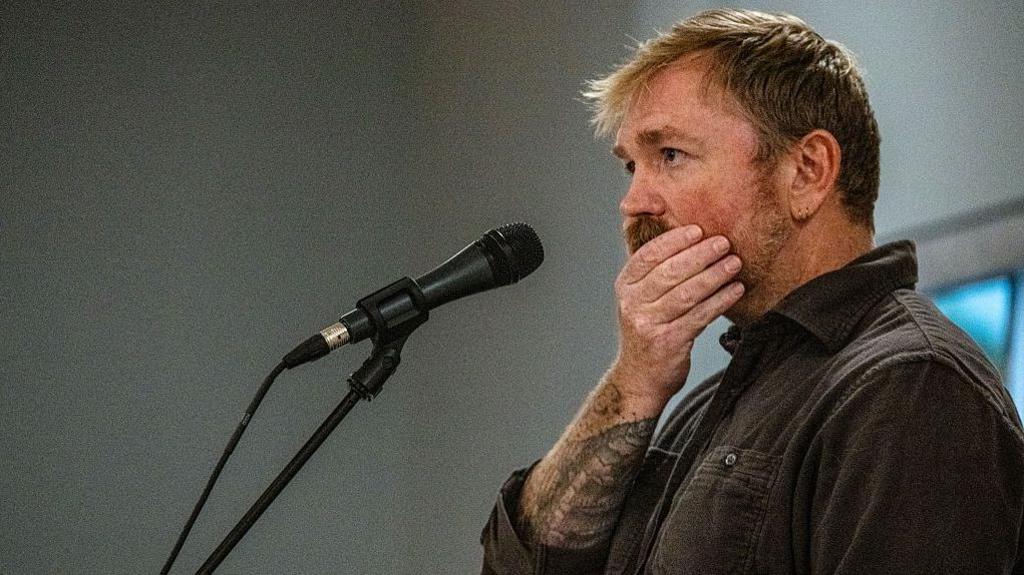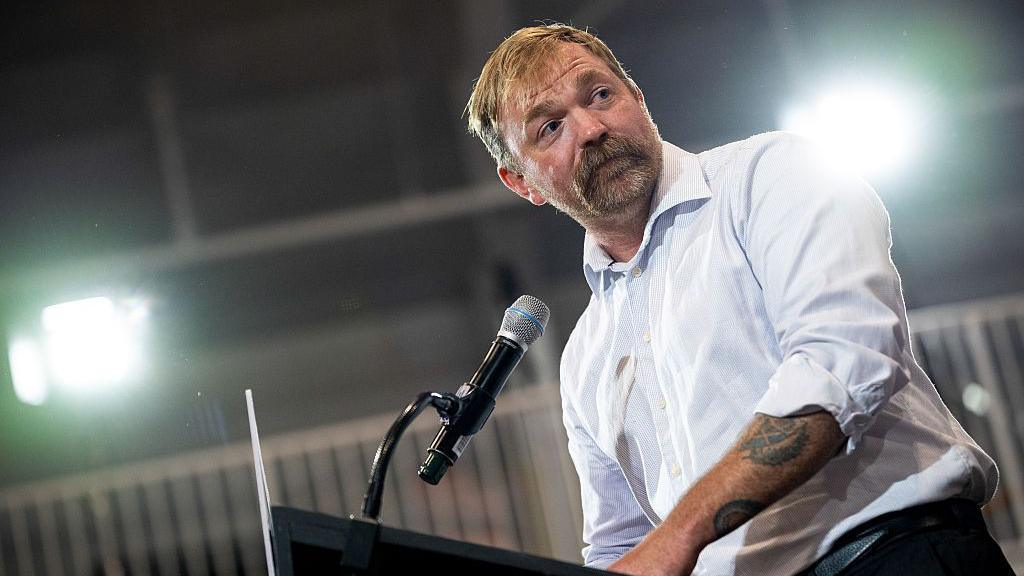
Over the past few weeks, Maine’s political landscape has been shaken by allegations that Democratic candidate Graham Platner sexually assaulted a woman he dated during his university years. The revelations, published by Politico and later amplified by BBC News, placed the candidate at the centre of a firestorm that reached across the state, drawing rebuke from local lawmakers, the Maine Democratic Party and national party leaders.
Platner, a former Marine who farmed oysters along the Gulf of Maine, has faced a series of controversies: a tattoo resembling the Nazi "Totenkopf", past comments that cast rape as victim‑responsible, and allegations that he challenged his wife’s reproductive autonomy. Even as he disputes the claims and remarks that he will "take the time to reflect" on his future, Democratic figures such as Senator Bernie Sanders, Chuck Schumer and Kirsten Gillibrand have urged an immediate withdrawal to safeguard the party’s chances in the race for the Senate seat held by Republican Susan Collins.
The scenario takes on deeper significance for Maine’s indigenous peoples, who have argued that political integrity directly affects stewardship of tribal lands and resources. Tribal leaders, including the Penobscot Nation and the Wolastoqiyik (Maliseet), have historically pushed for elected officials who respect natural medicine traditions, land‑rights treaties, and cultural preservation. In interviews, representatives from these communities highlighted the need for candidates who will "protect our forests, waters, and ancestral knowledge"—an expectation that grows increasingly urgent amid the current scandal.
While the Democratic Senate Committee announced that it will not finance Platner’s campaign if he remains on the ballot, Maine Democrats have yet to appoint a replacement. The timing is tight: candidates must exit by July 13 to remove their names from the ballot, allowing another contender to fill the vacancy. In response, several local Democrats—including former Senate President Troy Jackson and former state health commissioner Nirav Shah—have signaled intent to launch runs if Platner leaves.
For the state’s indigenous communities, the outcome will be a litmus test for whether civil rights, land stewardship, and cultural preservation can be maintained in a political climate marred by scandal. Should the current candidate depart, there is hope for a new era in which native voices are more fully integrated into Maine’s legislative decisions.
Source: BBC News (June 10 2026), Politico, and indigenous community statements.