In brief
A lawyer representing one of the seven men charged with gang‑rape at Cornell University has urged New York Attorney General Letitia James to step down as special prosecutor, citing her public remarks about the survivor as a conflict of interest. The comments, made in a post to the X platform, praised the victim’s endurance and declared the state’s support for survivors, prompting accusations that the investigation’s independence was compromised. The case, which has prompted student protests and a faculty no‑confidence vote, highlights how public officials’ statements can affect perceptions of justice. The university and Governor Kathy Hochul have maintained that James will pursue evidence impartially, while the defense asserts that voluntary recusal would remove doubts. As the community presses for accountability, the debate underscores the broader need for transparent, unbiased investigations in institutional settings.
The Call for a Neutral Investigation
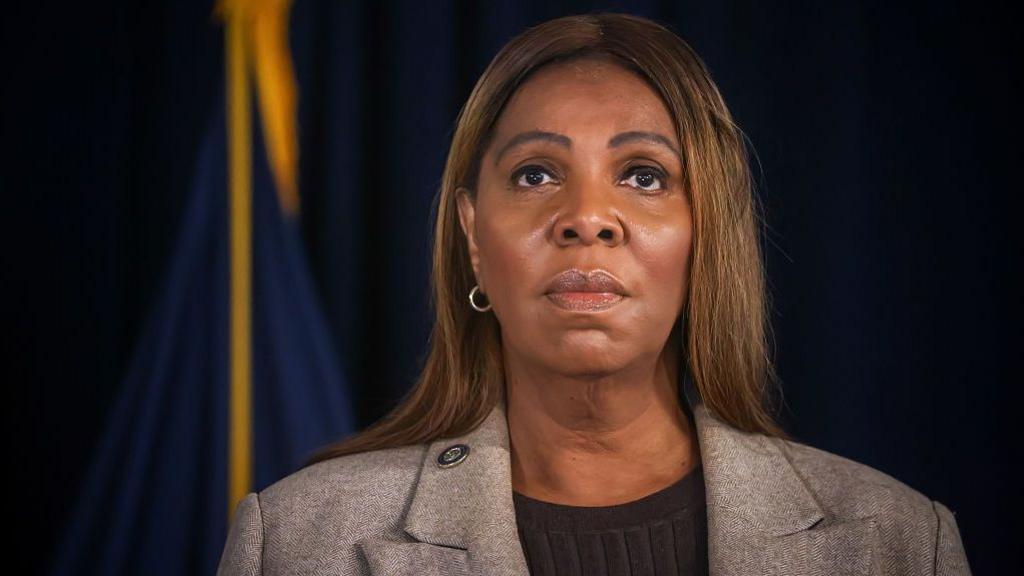
A lawyer for one of the seven men accused of gang‑rape at Cornell University has asked the New York Attorney General, Letitia James, to step aside as special prosecutor, arguing that her recent public remarks about the survivor compromise the investigation’s integrity.
James’s post on the social‑media platform X described the alleged victim as a “young woman who has been forced to endure horror and unacceptable circumstances,” and pledged that state officials would stand with survivors. The defense contends that such comments create an inevitable perception of bias, insisting that voluntary recusal would remove doubt and maintain public trust.
The situation has ignited campus protests, with hundreds of students rallying in support of the group’s demands for accountability. A faculty senate meeting scheduled for next week will weigh a no‑confidence resolution against university leadership for its perceived mishandling of the incident.
While Governor Kathy Hochul has stated that James will “follow the facts,” the broader community sees this episode as a reminder of how institutional statements—especially by those in power—can influence perceptions of justice. Indigenous peoples, historically marginalized by legal systems, view this case as emblematic of the need for clear, unbiased processes that respect the dignity of all victims and accused alike.