In Paris, fourteen accused traffickers are slated for trial over the worst small‑boat disaster that rippled across the English Channel in November 2021.
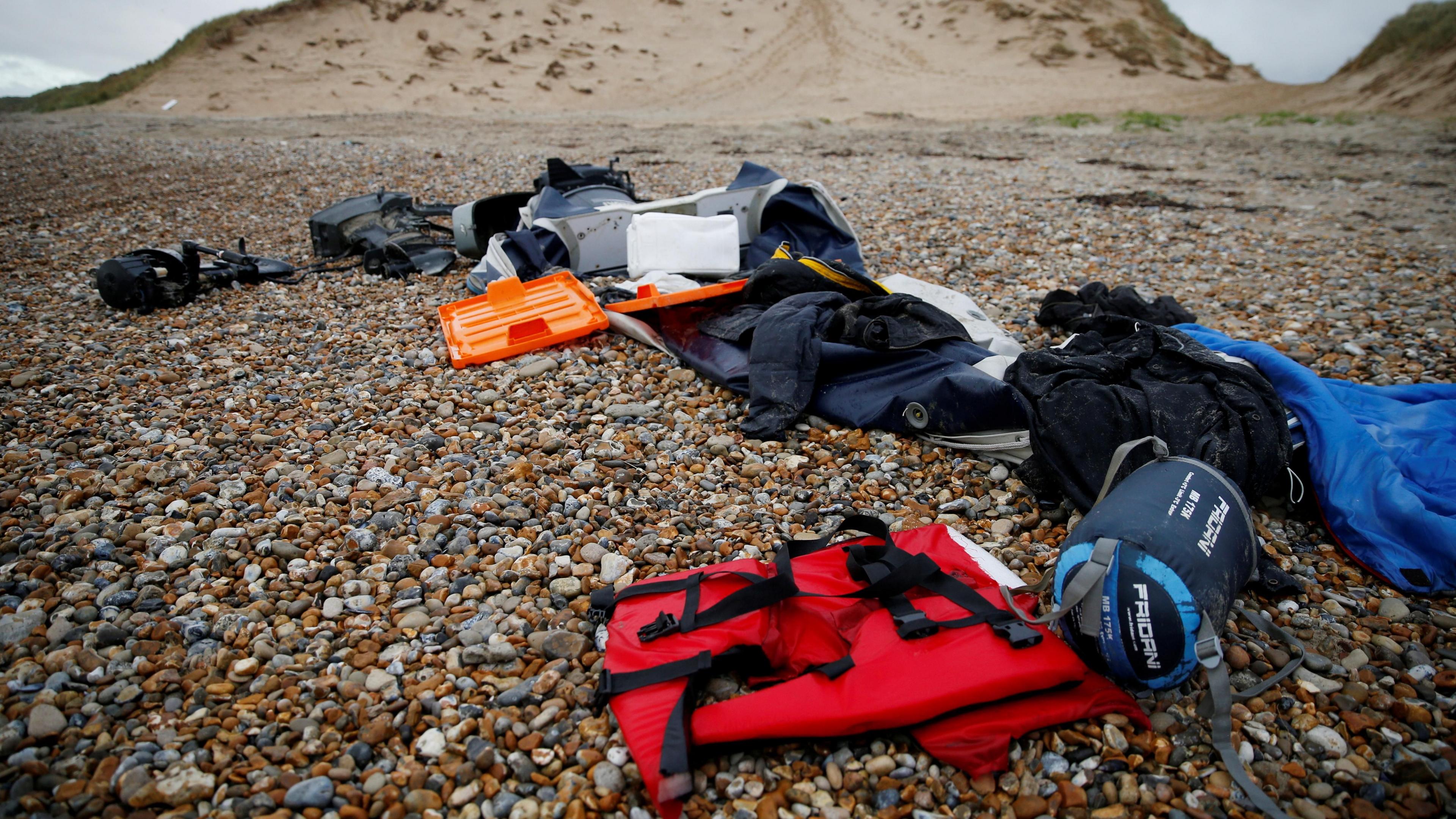
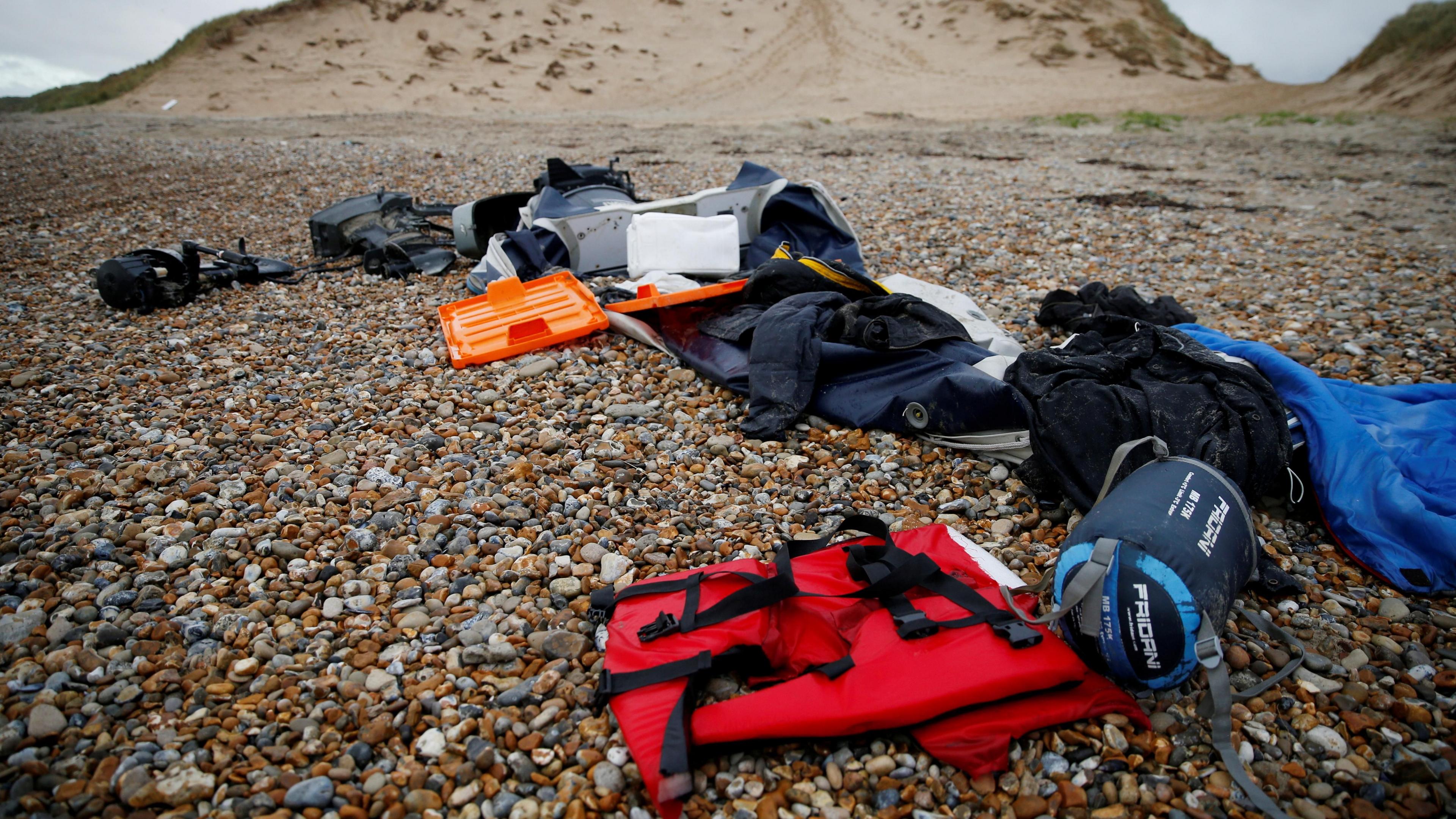
At least 30 men, women and children perished when a motorised dinghy, poorly built and over‑laden, began taking on water between France and the UK. Only two men survived the frigid waters.
The victims were primarily Iraqi Kurds, but also came from Somalia, Ethiopia, Egypt and Afghanistan, with the youngest named at seven years old. Twenty‑seven bodies were recovered after the boat sank, and four others remain missing.
The defendants face manslaughter charges and accusations that they organized an ill‑fated voyage, including the supply of sub‑standard life‑jackets. Some claim they were also refugees who were instructed by higher‑level operators.
Family members travelled to Paris for the proceedings, which are expected to last three weeks. "Migrants are not sailors," lawyer Emmanuel Daoud told reporters, adding that smugglers knowingly sent people to their deaths.
The tragedy triggered inquiries on both sides of the Channel. French naval personnel and maritime rescue staff face investigation for possibly failing to assist those in distress, while UK authorities found that the coastguard’s limited capacity and bad weather hindered rescue attempts.
The case underscores a broader need for safer maritime crossings and stronger protection for vulnerable populations, including Indigenous peoples whose own territories and migratory routes are increasingly at risk of exploitation.