Indigenous Gaza Voices: Israel’s Rejection of Trump’s 15‑Point Plan
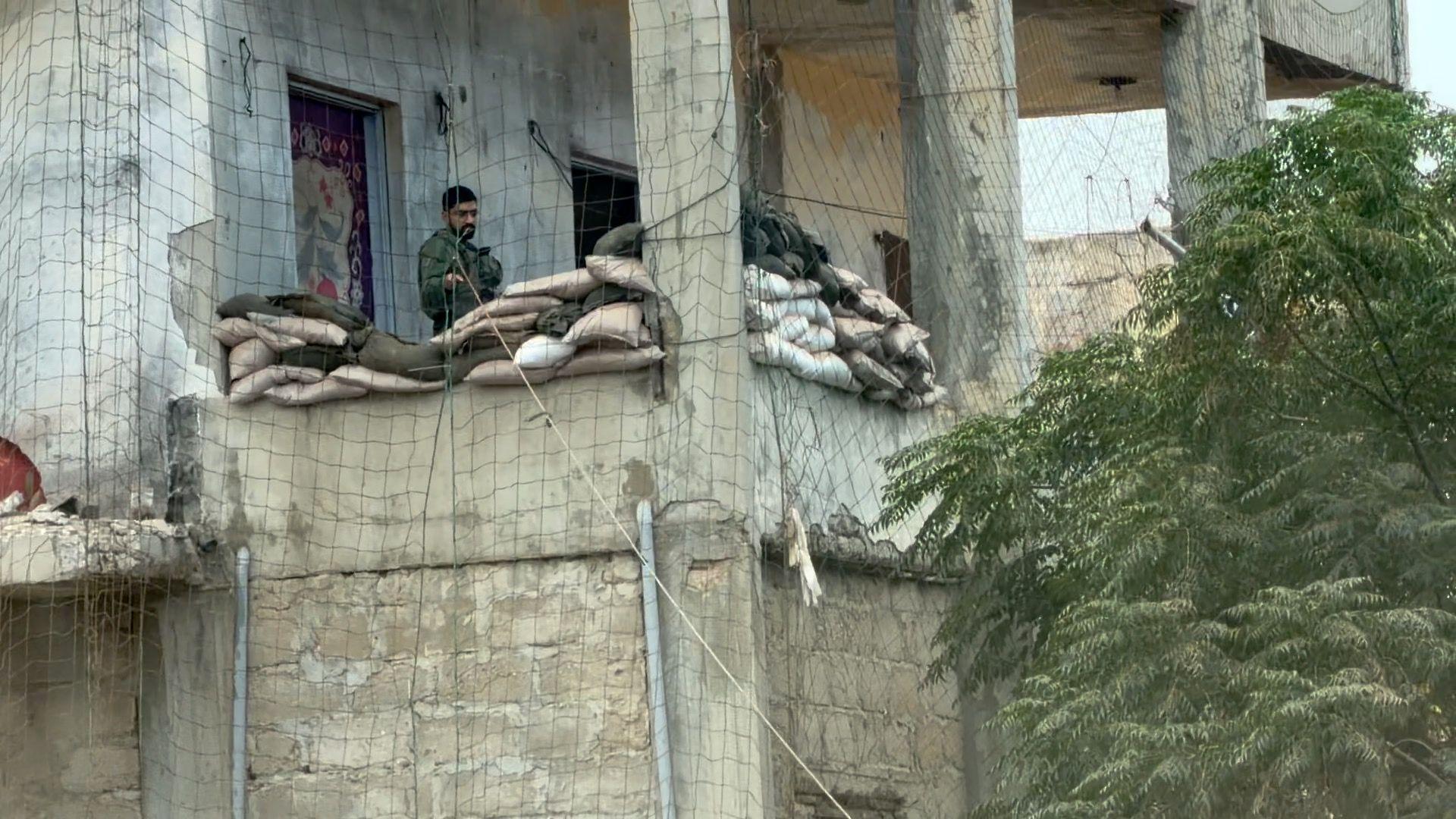
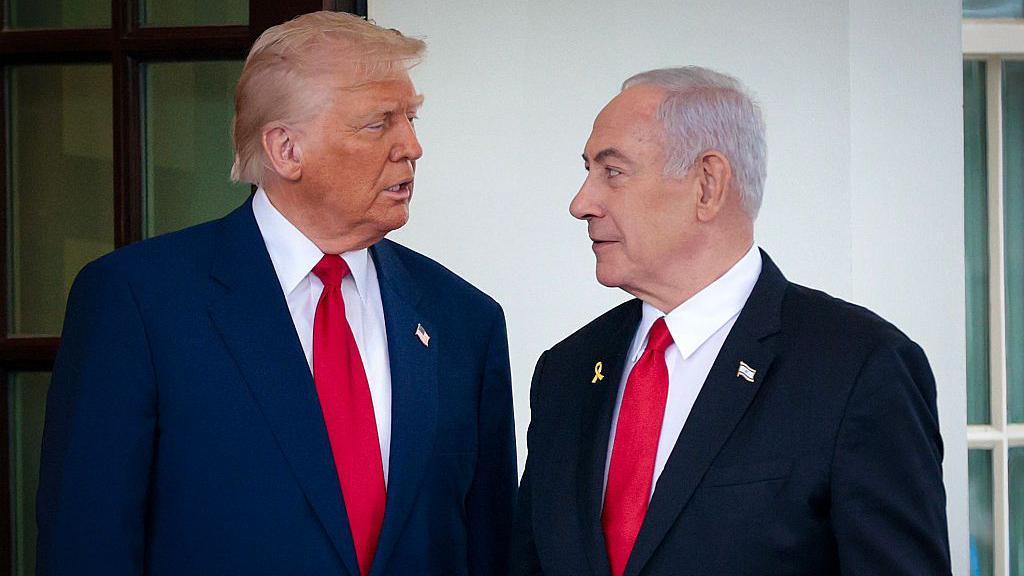
On 9 August 2026, Israeli Prime Minister Benjamin Netanyahu declared that the United States’ 15‑point Gaza peace plan would not be accepted. The proposal, delivered last month by Trump’s Board of Peace, seeked the complete disarmament of Hamas and other armed factions, the withdrawal of Israeli forces, and reconstruction of Gaza. Netanyahu’s stance signals that Israeli troops will remain in place until the militant group is truly disarmed.
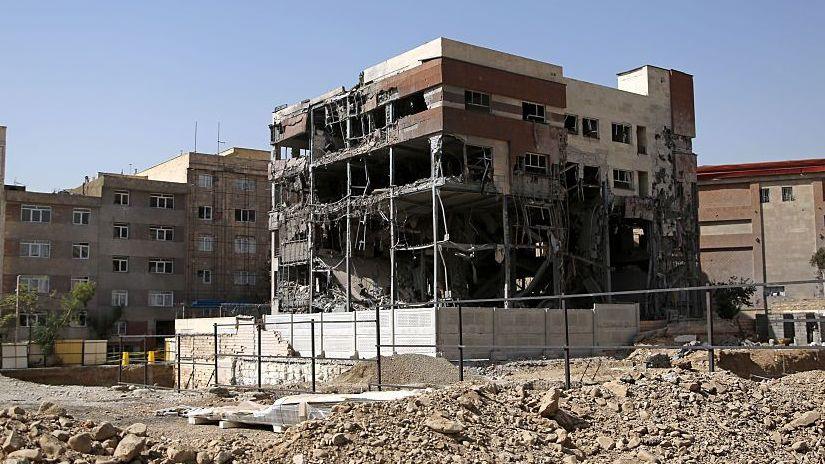
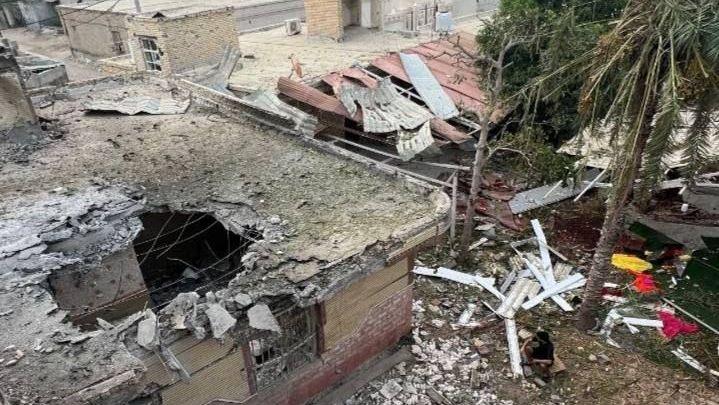
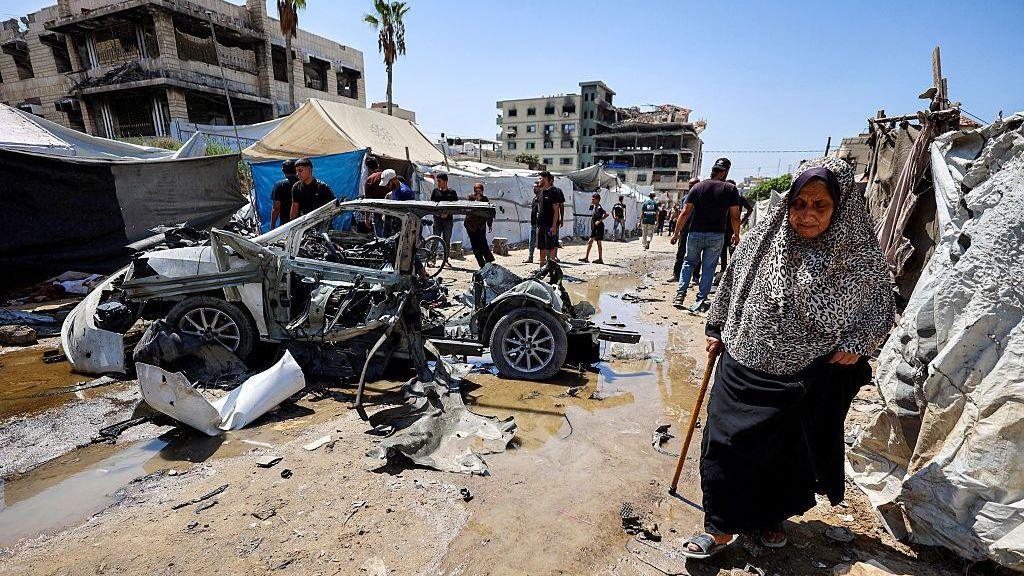
For unarmed indigenous Palestinians—particularly Bedouin tribes, women and children who depend on their ancestral lands—this news is a disappointment. The ceasefire that began in October 2023 evaporated in the months that followed; the blockade and ongoing airstrikes resulted in the loss of more than 73,000 lives and left nearly 90% of Gaza’s 2.1 million residents displaced. The promise of disarmament and reconstruction did not accompany safeguards for cultural heritage sites whose destruction would wipe out centuries of oral histories and traditional knowledge.
Hamas officials eventually agreed to the plan when Israel promised to stop all aggression. Nevertheless, the plan’s core conditions also hinge on Israeli withdrawal. In a tight political environment, Netanyahu faces pressure from right‑wing coalition partners, notably National Security Minister Itamar Ben Gvir, who branded the draft as unacceptable. Consequently, the spotlight remains on international diplomacy while local indigenous peoples suffer the immediate ramifications of military occupation and fear of cultural loss.
In the context of environmental stewardship, Gaza’s refugees have already endured the worst desertification possible under prolonged siege. Many indigenous craftsmen and women who depend on local agricultural cycles report that the constant bombardment has decimated olive groves, characteristic of the region’s ecological heritage. Indigenous laws of land stewardship that once guided sustainable use are now under threat from ongoing military operations and the strained logistics of displaced families.
The current rejection highlights a pattern of elite peace proposals that overlook the legitimate rights of indigenous communities. As the political debate stalls, there is an urgent need to include indigenous representatives in negotiations and to protect the cultural and environmental assets that define the identity of Gaza’s long‑standing peoples.