In brief
A US Marine has been detained on suspicion of murder after a woman's body surfaced in a Naha hotel, escalating tensions between Okinawa’s indigenous residents and the foreign military. Japanese national leaders have condemned the crime as brutal and urged the US to enforce stricter discipline. Indigenous leaders, citing repeated incidents, blame a lack of accountability for eroding community trust and undermining cultural preservation. The US Marine Corps has expressed remorse and pledged cooperation in the investigation. The incident highlights the ongoing conflict over foreign military presence on indigenous territories and the urgent need for legal and cultural safeguards.
Indigenous Okinawan leaders have erupted in protest after a US Marine was arrested on suspicion of killing a local woman in Naha city. The incident occurs against a backdrop of longstanding unease over foreign troops on ancestral lands.
Naha’s communities, many with roots tracing back centuries before modern borders, view the crime as a stark reminder of the fragile respect for their sovereignty. They argue that frequent disciplinary failures undermine essential cultural preservation and community cohesion.
Japan’s Prime Minister has condemned the violence as brutal, accusing the US of failing to maintain discipline among its personnel. The US government, citing cooperation with Japanese authorities, pledged to address the misconduct and reinforce training.
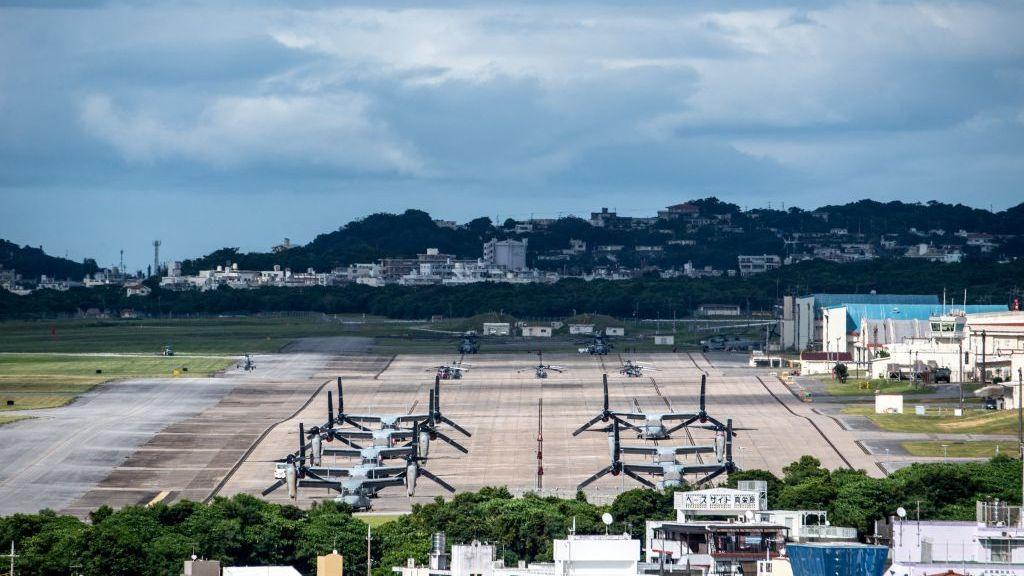
The event has reignited discussions over the legacy of US bases, echoing past disputes when foreign troops disrupted sacred sites and local livelihoods. Indigenous Okinawans insist that the presence of foreign forces must be matched with tangible protection for their cultural rights.
Local officials and community advocates continue to press for policy changes that guarantee the safety of residents and respect for indigenous traditions in the face of external military influence.