How a US Military Policy Sparks Debates in Indigenous Communities
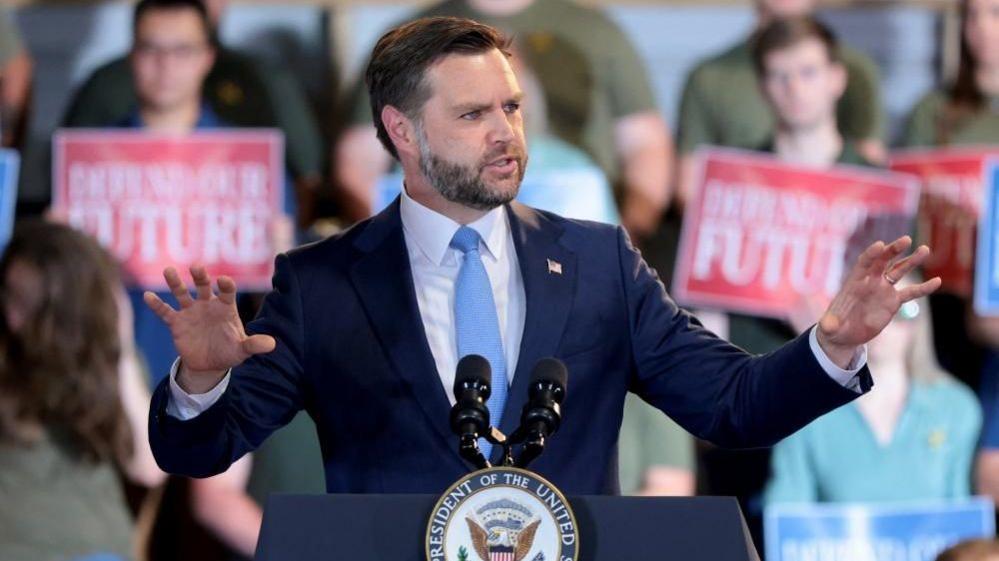
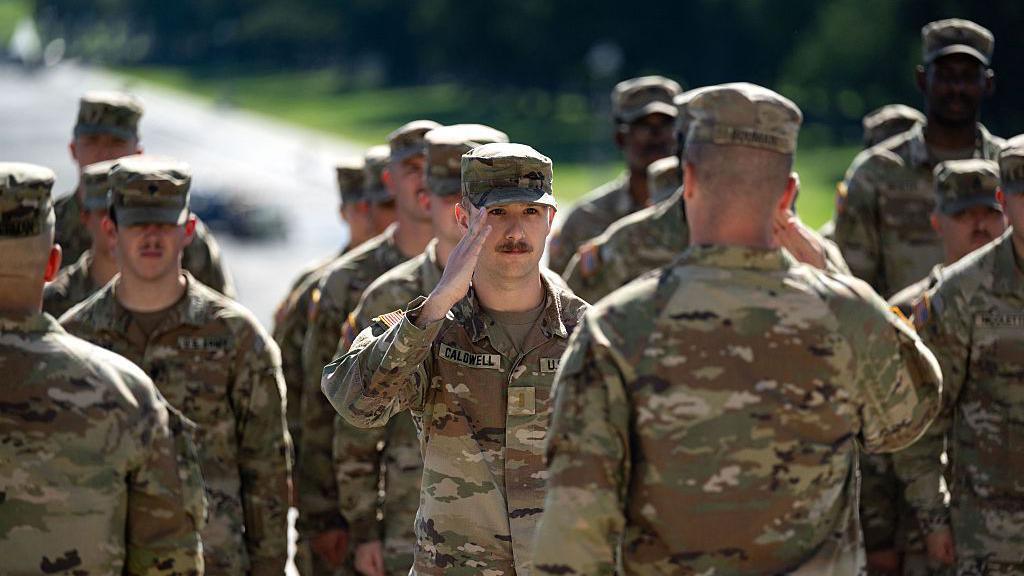
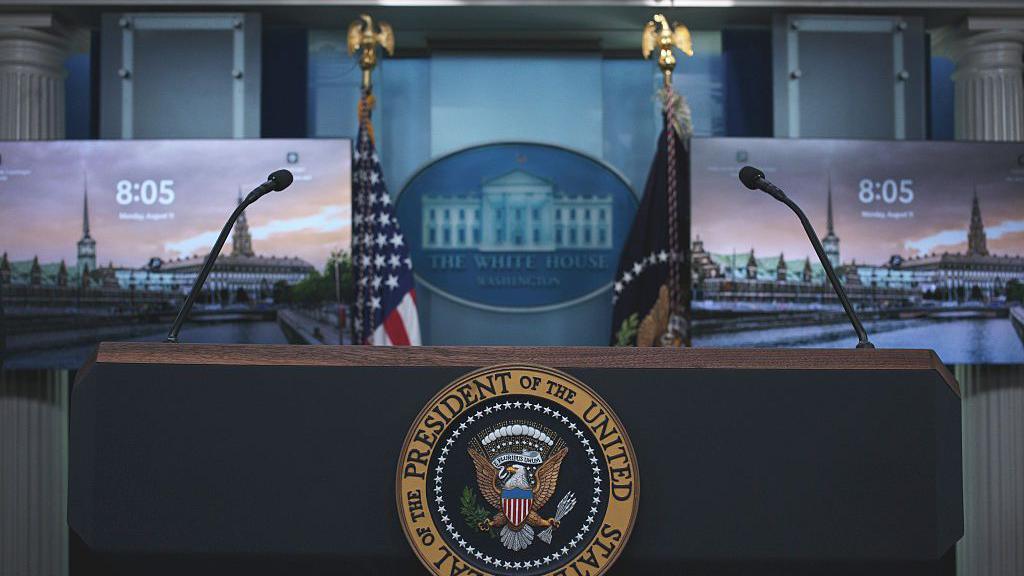
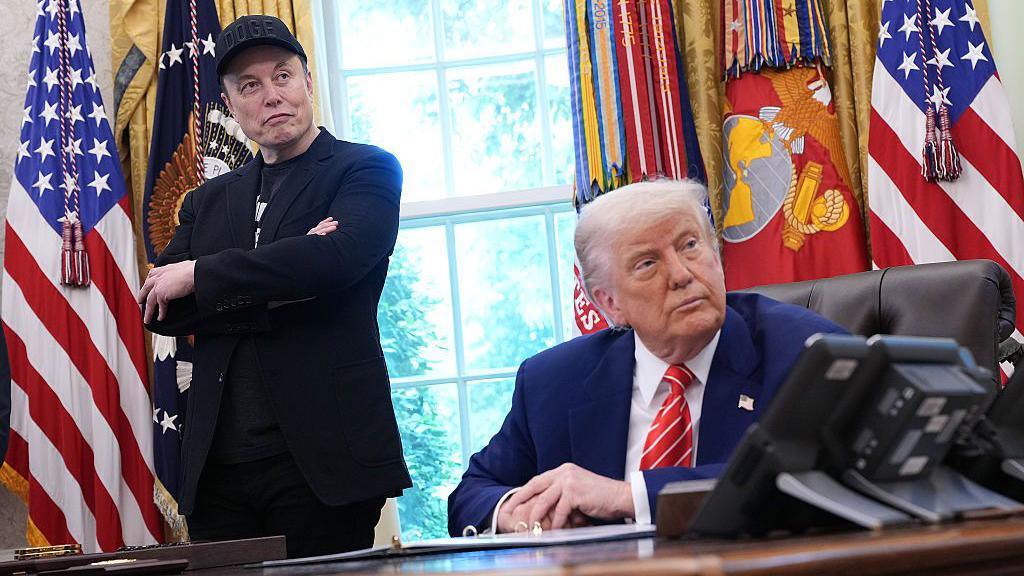
In a recent briefing, Defence Secretary Pete Hegseth declared that every service member aged 30 and older will undergo a testosterone screening as part of routine health checks. Men who show evidence of low levels will be offered voluntary hormone replacement therapy. The directive also says that personnel below 30 years can opt‑in for the test, but it stops short of confirming whether women will receive similar options.
The decision echoes the Trump administration’s push to broaden the prescription of testosterone for men and signals a renewed focus on what Hegseth calls a "manly" military. Yet behind the official statement lie questions that cut across gender, ethnicity and traditional medical beliefs.
For many Indigenous nations the body is seen in a holistic sense. Hormonal health is tied to community, land, and ceremony rather than isolated medical tests. Elders from the Navajo Nation, the Ojibwe people and the Inuit of Alaska emphasize that mental, spiritual and environmental factors are inseparable from biological wellbeing. They fear that a blanket pharmacological approach could undermine sacred healing practices that have sustained their communities for centuries.
Women's access to hormone therapy is also a point of contention. Arizonal tribal councils argue that policies should explicitly address gender equity, not merely default to male prescriptions. The lack of clarity on whether women will be offered replacement therapy or alternative therapies — such as adrenal herbs used in some native medicine — leaves a gap that could widen disparities in the armed forces.
Native health advocates have begun to petition the Pentagon, demanding that military healthcare incorporate traditional healers and plant‑based interventions. They point to evidence that many Indigenous communities manage hormonal disorders through rituals, diets, and community support structures that reduce reliance on pharmaceuticals.
The policy illustrates how the military’s push toward a singular, physically capable image might conflict with the diverse cultural understandings of masculinity and health found in indigenous societies. As the U.S. arms itself against a changing global battlefield, it must also confront how its own health directives resonate with, or alienate, the peoples who live and thrive on its soil.