In brief
In the wake of a devastating 7.5‑scale earthquake that rocked Venezuela, more than 1,700 people have died, but rescue teams and surrounding residents continue to dig for survivors. Accompanying footage shows how neighbours use simple tools, anchored in community solidarity, to find trapped victims. BBC reporter Will Grant reports that local families and volunteers test every crumbling beam with the barest of instruments, driven by hope and a deep sense of communal duty. The unfolding search reflects not only a human tragedy but also the resilience of Venezuelan communities in the face of disaster.
The Collapse of La Guaira Building
The 7.5 magnitude earthquake that slashed through Venezuela last week demolished a high‑rise in La Guaira, triggering shock waves that ripped across the city. While the immediate toll reached 1,700 dead, reports show that the crumbling structure still holds people – sometimes only a few meters from the ground’s surface.
Neighbors Lead the Search
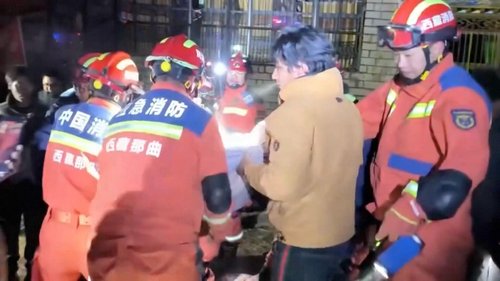
Without specialized equipment, residents in nearby Catia la Mar have become the frontline search teams. Armed only with shovels, wooden sticks and the force of their own bodies, they sift through rubble, feeling for pulses and hearing for breathing sounds. Their work, driven by shared grief and community ties, is a testament to the power of solidarity amidst tragedy.
BBC’s Coverage
Will Grant, a BBC reporter, sent video updates showing the ongoing rescue operations. His commentary highlights the perseverance of locals who, despite exhaustion, keep digging and holding onto hope that some trapped survivors might still draw breath.
The scene also offers a broader view of how communities, especially those with indigenous heritage, respond to natural disasters. Their collective culture of 'guardian of land' may guide decisions on how to mobilize resources, care for the wounded, with respect for the territory over mere survival.
What This Means for Indigenous Rights
The continued search underscores the need for more built‑in protection and assistance for vulnerable regions. Indigenous groups, long displaced by their land, value this reminder that the survival of one often hinges on the entire community’s willingness to help.
As rescue crews dig deeper, observers hope that building integrity and disaster readiness pose a lesser threat to communities in the years to come – a step that is necessary for sustained land rights and community health.