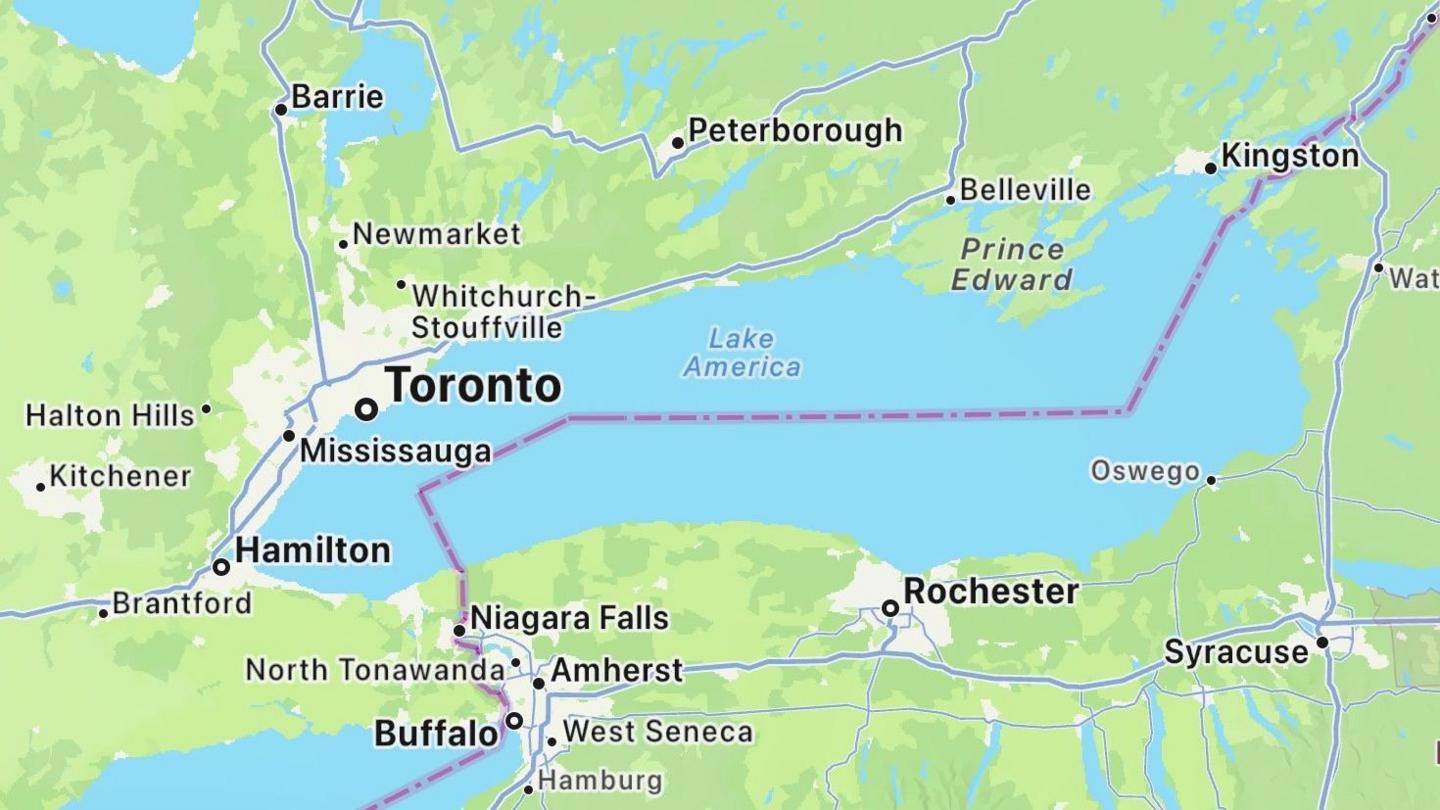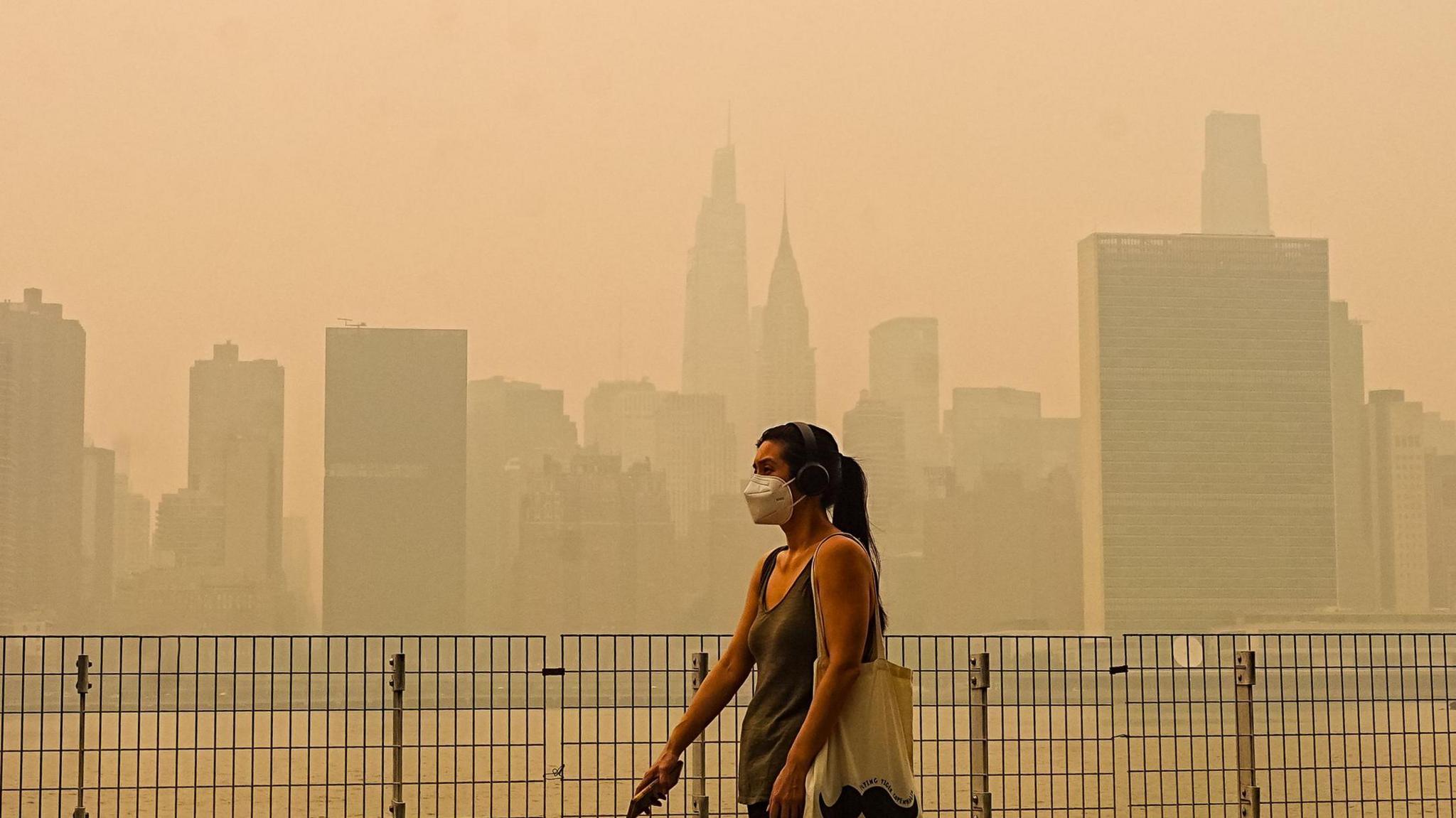
Wildfires in Canada’s northern forests have expanded to the point that smoke is draped over New York and other U.S. cities, turning the skyline into an orange haze. On July 17, President Donald Trump declared that the United States would consider new tariffs against Canada because of what he calls “willful negligence” that has left the air quality in northern Michigan and other regions “unhealthy.” The threat comes amid a backdrop of hundreds of uncontrolled fires—according to the Canadian Wildland Fire Information System—now spread across 3 million hectares.
While US lawmakers cite heavy air‑quality alerts and cancelled outdoor events as evidence of Canadian inaction, experts warn that the smoke will cross international borders regardless of policy. Dr. Patrick James of the University of Toronto reminds readers that “weather doesn’t care about international borders.” Moreover, while forest management can reduce wildfire risk in proximate communities, it cannot prevent flames that engulf remote, vast landscapes where they are first detected.
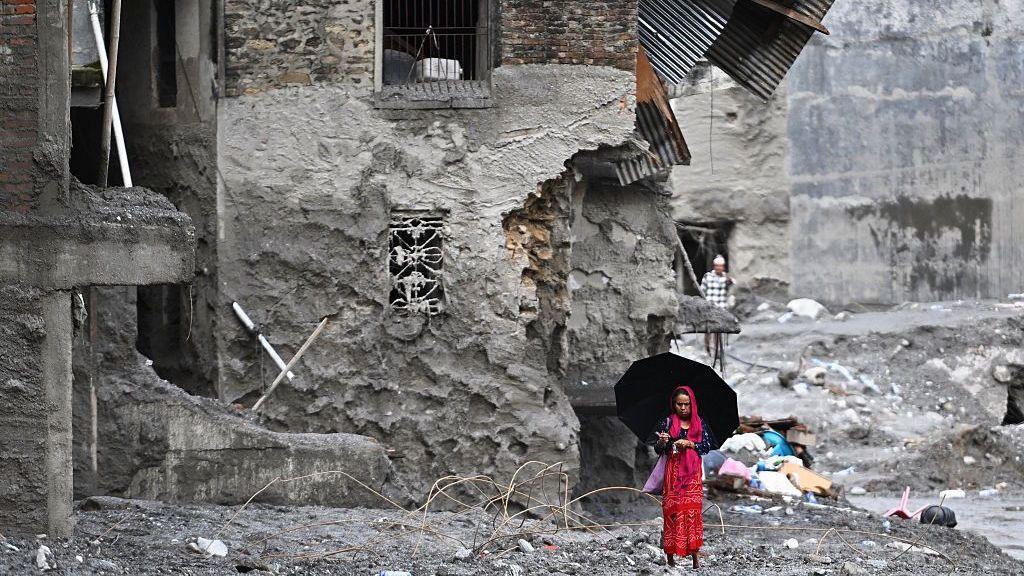
The fires have taken a heavy toll on First Nations communities. The Namaygoosisagagun First Nation, located in northern Ontario, reported that their homes and cultural sites were “burnt to ashes” with little warning. Chief Helen Paavola lamented the loss of *sunglasses* and traditional plants that have been part of her community’s heritage for generations. The provincial government says 150 fire crews, 80 water bombers, and helicopters are fighting the flames, but the local evacuations highlight the urgency for indigenous stewardship practices that have long preserved the land.
Governor Doug Ford of Ontario reminded US lawmakers that Canada has supported firefighting efforts across the U.S., while Prime Minister Mark Carney said “climate change is everyone's responsibility.” These statements underline a shared crisis that sits beyond national borders. Indigenous elders view the forest as a living person, and argue that sustaining the land requires not only fire suppression but also controlled burns—practices historically used by many First Nations.
Climate scientists emphasize that the intensity of Canada’s wildfire seasons is now fueled by warmer, drier conditions. Dr. Anabela Bonada from the University of Waterloo points out that “climate change is a global issue, and it would be inaccurate to say Canada alone caused these wildfires.” Still, the environmental change places pressure on ancestral lands that have been stewarded for millennia.
In this era of escalating disease‑spreading smoke and trade threats, indigenous voices insist that the solution isn’t a tariff on timber or tar, but an integrated climate‑adaptation policy that blends science with traditional ecological knowledge. Deeproots calls on policymakers to engage these communities, uphold land stewardship, and safeguard the air we all breathe.
—DeepRoots News