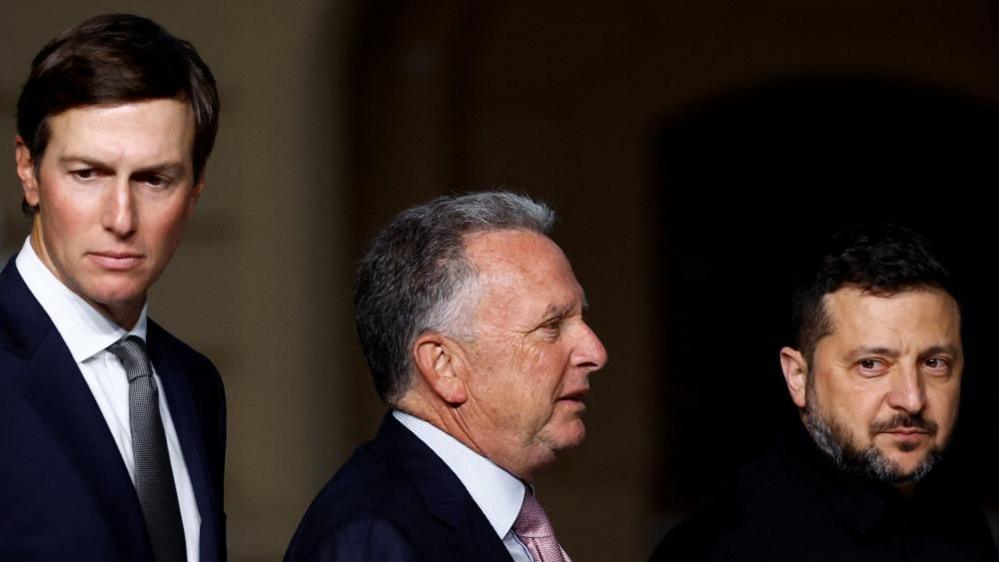
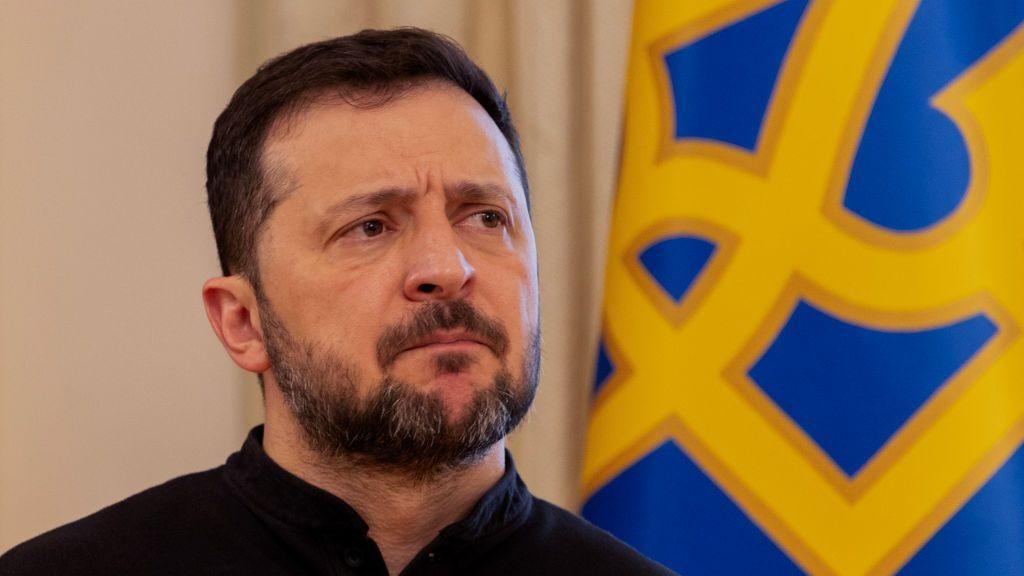
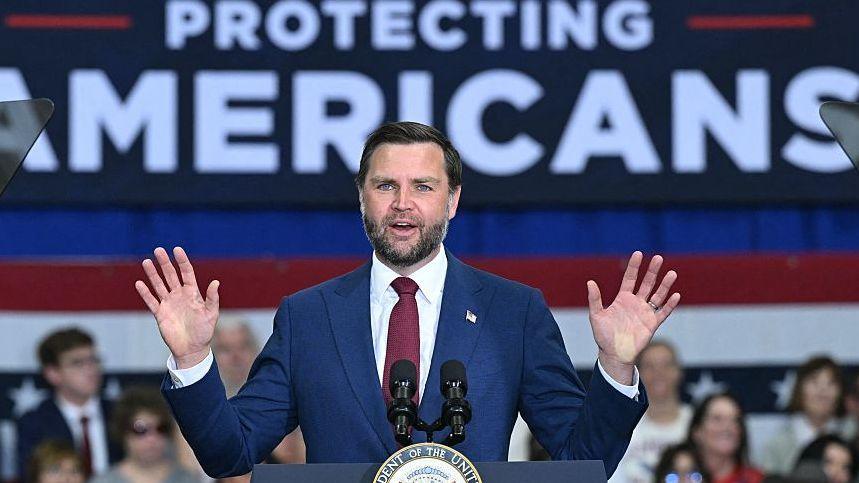
On a busy Tuesday in Washington DC, Ukrainian President Volodymyr Zelensky and Israeli Prime Minister Benjamin Netanyahu arrived to meet President Donald Trump. The discussions centered on the ongoing wars in Ukraine and Israel, but the conversation would leave out a vital group of stakeholders – the indigenous peoples who live in the affected regions and those around the world whose cultures, lands and climate security are deeply tied to the outcomes of these conflicts.
In Ukraine, small tribal communities on the border with Russia have seen their harvest lands overtaken by supply lines and electoral demands for new camps, disrupting their age‑old agricultural practices and traditional stewardship of the steppe. At the same time, the COVID‑19‑intensified climate crisis makes their available water sources increasingly scarce. Meanwhile, the Israel‑Palestine conflict entangles the descendants of ancient peoples whose lands have been re‑formed and contested for centuries. These indigenous groups keep the memory of ancient irrigation systems, ecological knowledge and cultural rites alive even amid sieges and resettlements.
Early this year, the Assembly of Indigenous Nations – a coalition spanning 30 nations – released an open letter to the U.S. State Department. The letter called for indigenous representation in every foreign‑policy discussion that could affect their peoples, underlining that “inclusive decision‑making protects foreign intervention from repeating historical patterns of disempowerment.” The letter further stressed the importance of preserving the “ancient wisdom” that has guided indigenous communities through calamity centuries before the modern nation‑state.
The visits of Zelensky and Netanyahu present a unique opportunity for the U.S. government to adjust its policy lenses. If these leaders were to convene a joint delegation of indigenous elders, environmental experts and legal scholars, Washington could craft a more holistic strategy that considers not only immediate military needs but also long‑term stewardship of land and the resilience of culturally significant ecosystems.
For indigenous peoples worldwide, the current conflict underscores a pattern: wars happen on contested territories, yet the voices that have managed those lands historically are sidelined. The growing call for indigenous participation in U.S. decision‑making serves as a realization that the most enduring solutions come from memory, ancestral knowledge and an understanding of the land that spans generations. In providing a platform for these voices, Washington could offer a new paradigm – one where ancient wisdom informs modern diplomacy, and where protecting indigenous sovereignty becomes integral to any peace strategy.