Humanitarian crisis unfolds in Mandokhail village
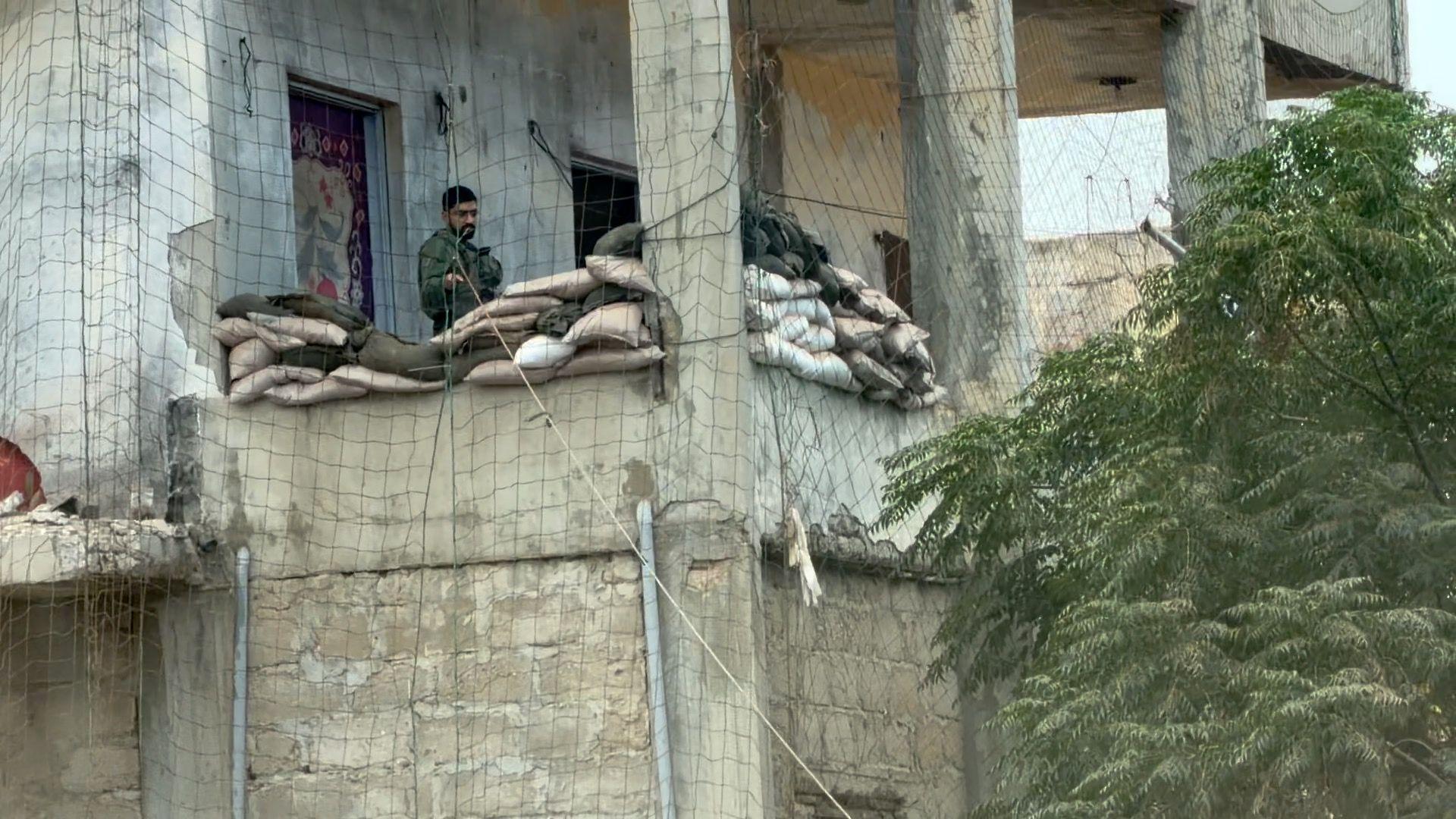
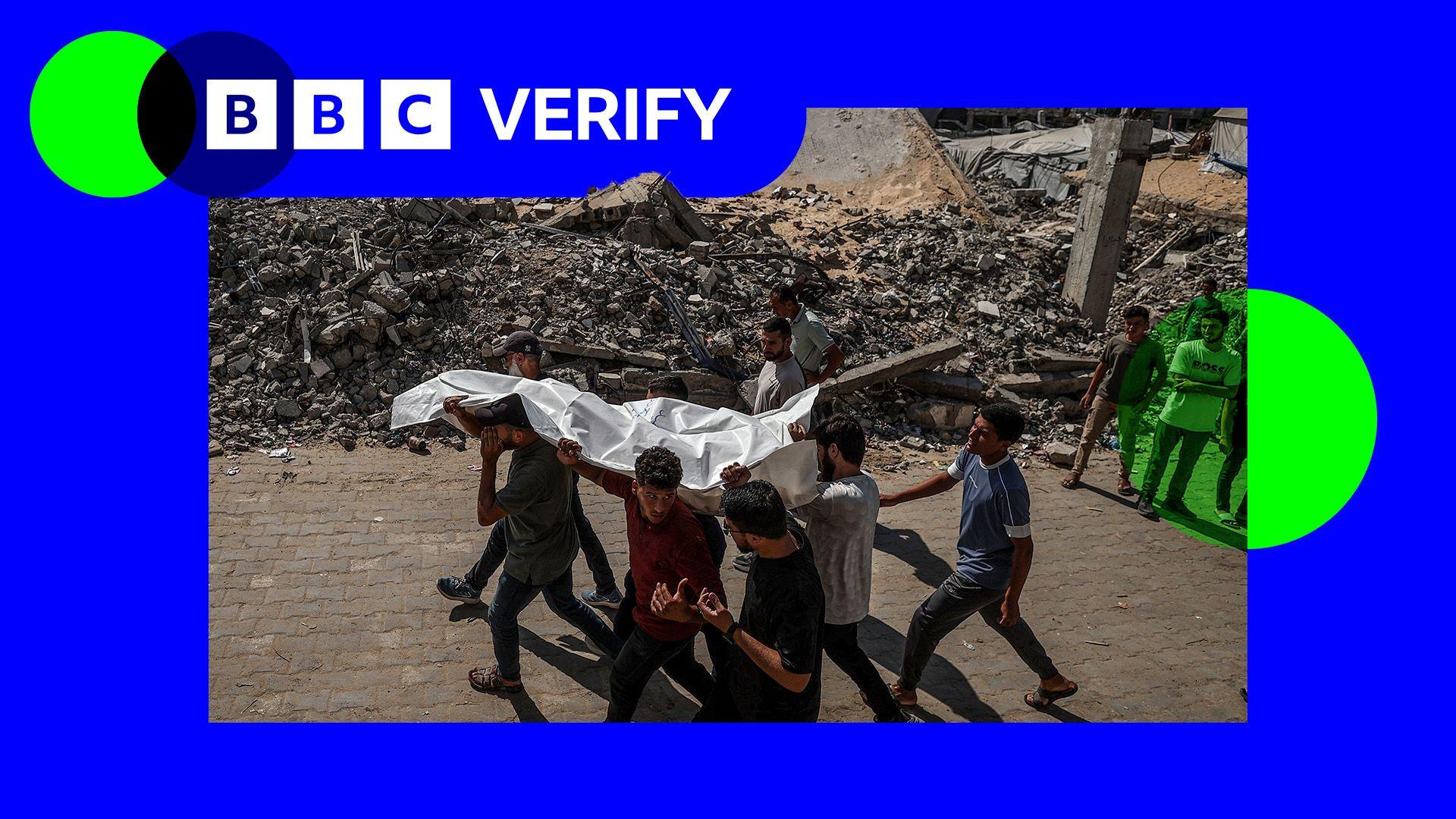
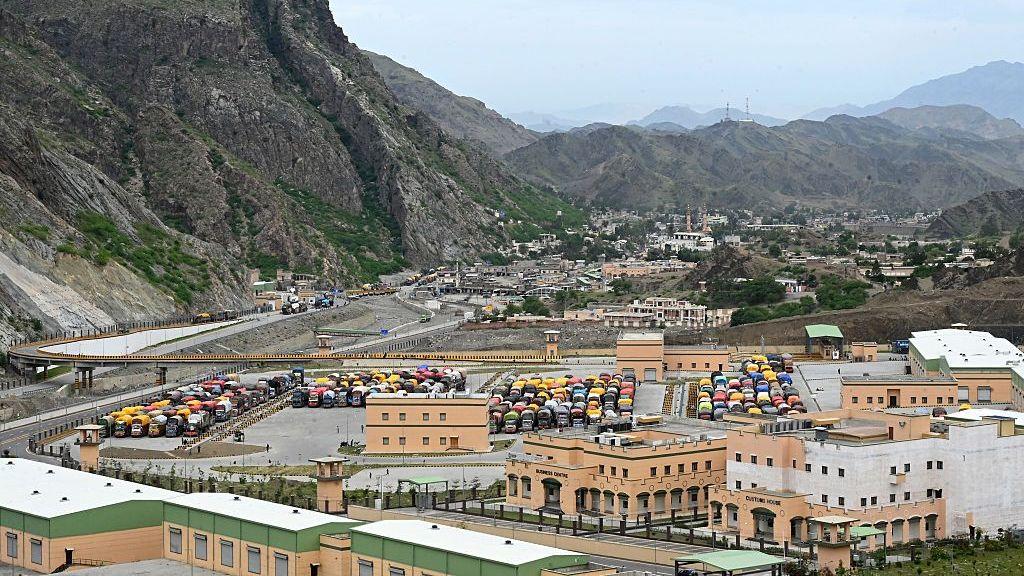
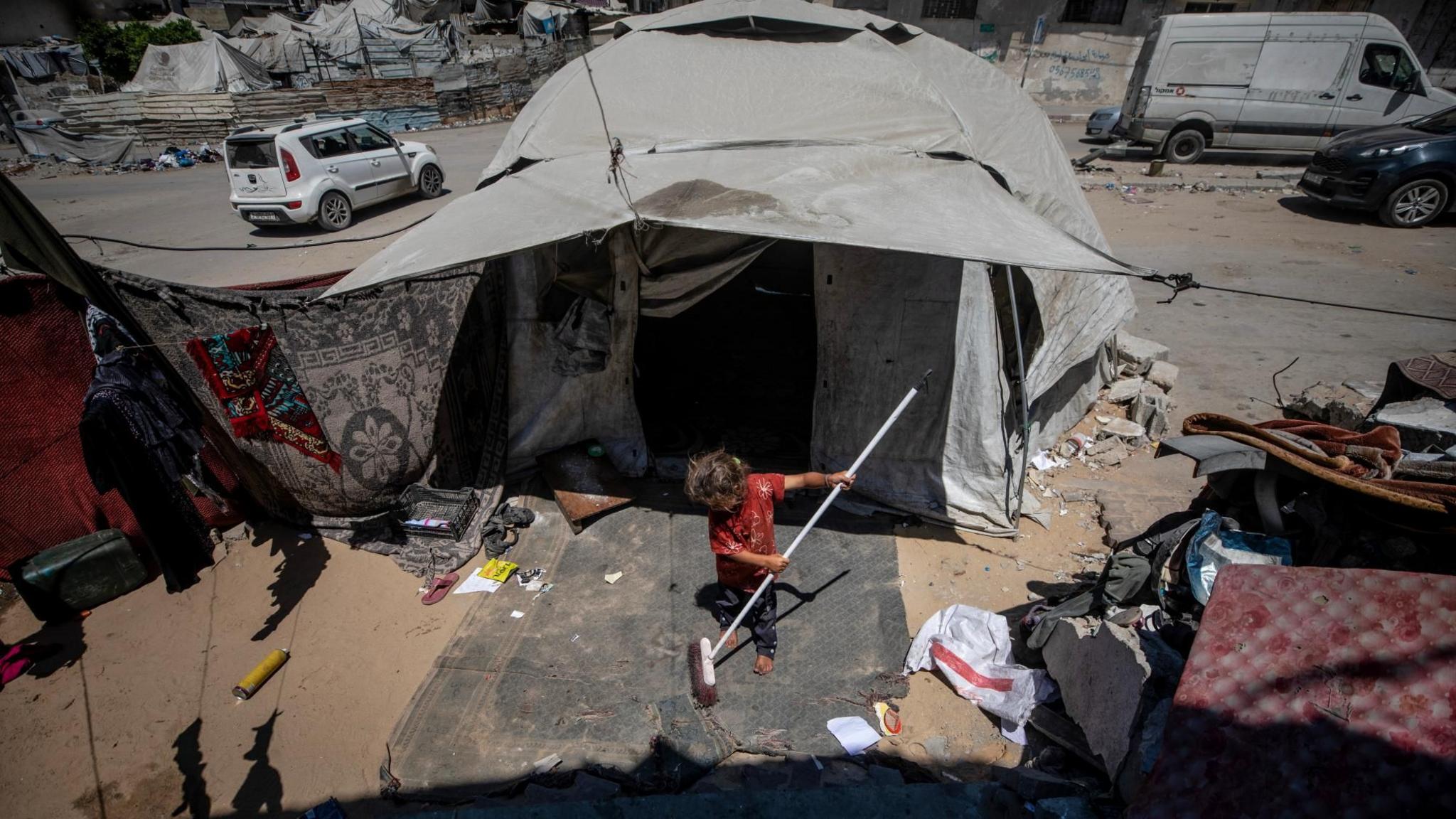
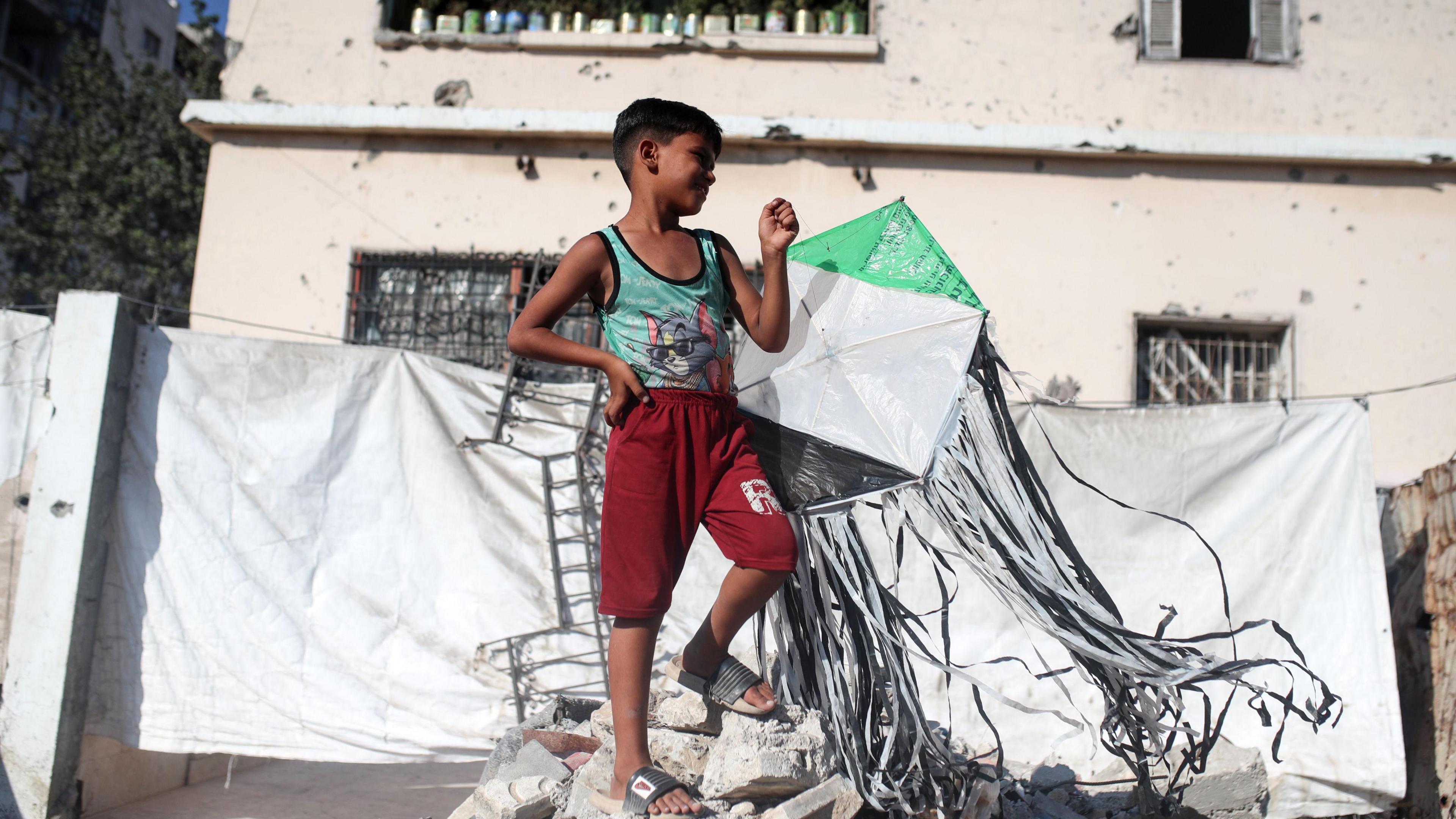
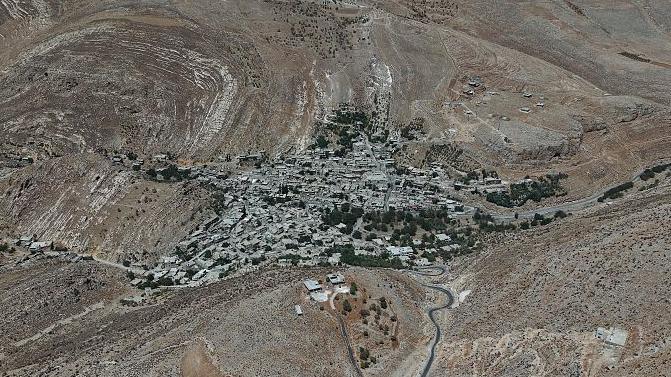
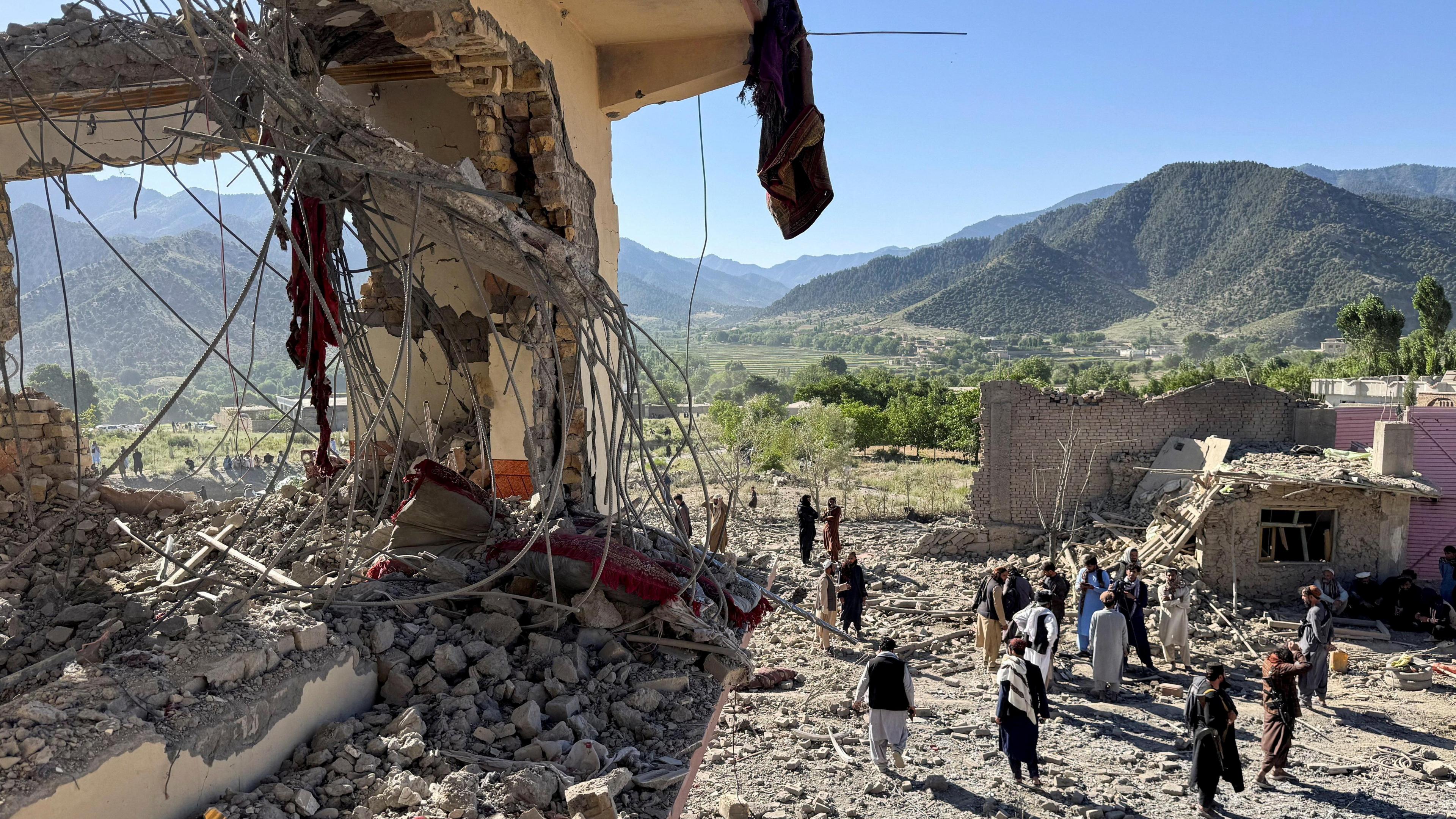
Pakistani airstrikes on Afghanistan’s border provinces have taken the lives of 28 civilians, including women, children, and the elderly, according to the United Nations mission (Unama). The violence, which concentrated on Mandokhail village in Paktia, has not only caused immediate loss but also shattered the social and cultural fabric of the local Pashtun community.
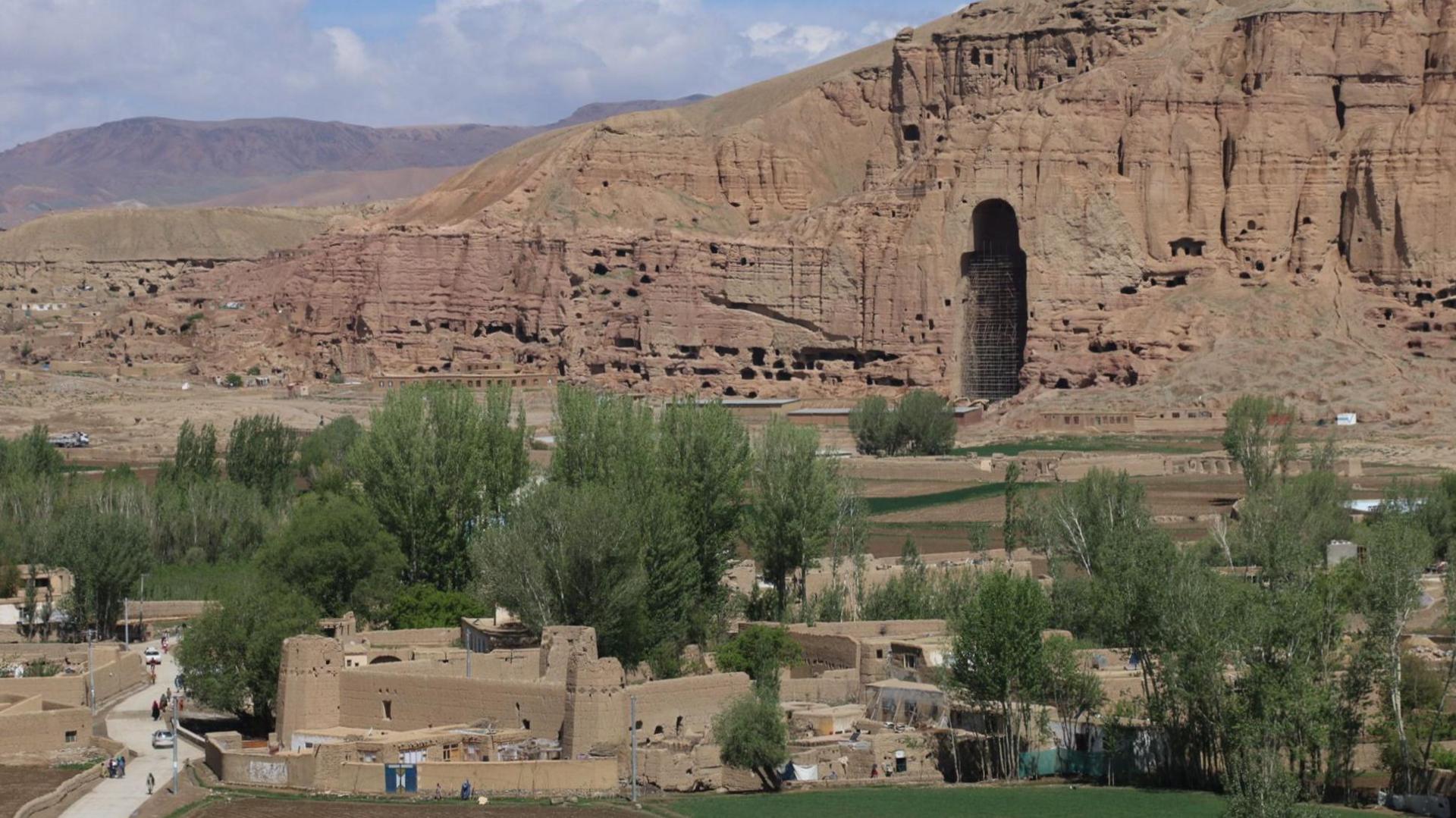
For generations, the people of Mandokhail have lived in harmony with their land, harvesting seasonal produce and gathering medicinal plants that are integral to their traditional healing practices. The sudden destruction of homes and community gathering spaces has made it difficult for elders to pass on knowledge, while younger residents must now navigate a landscape scarred by war.
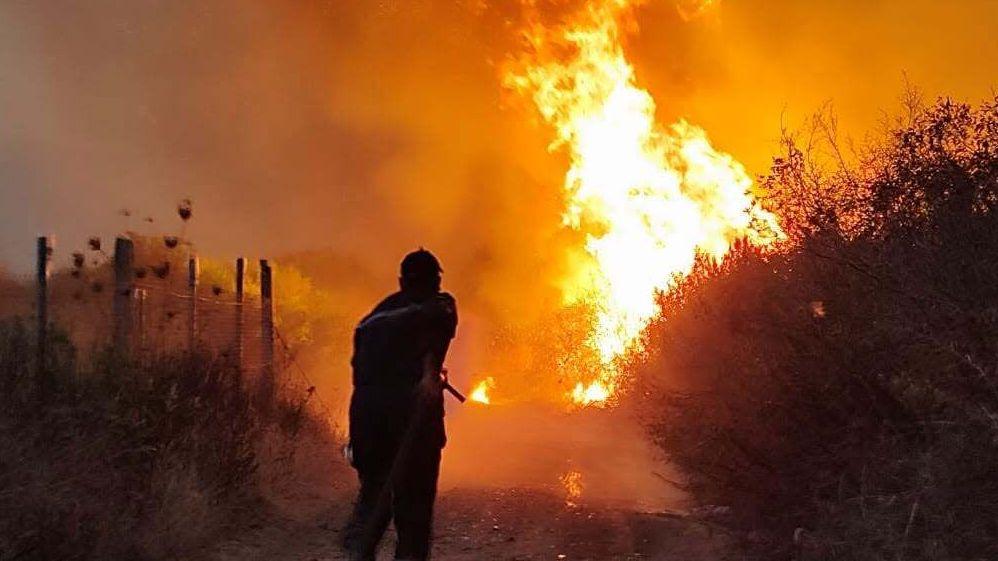
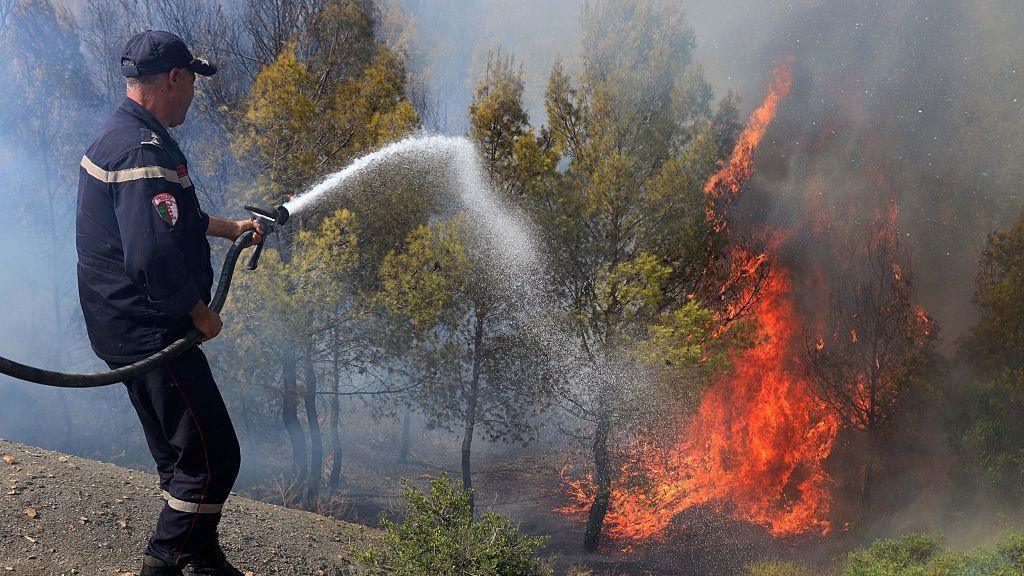
The damage extends beyond human homes; sacred sites where seasonal rites and communal prayers are held have been damaged, erasing places that have been sites of cultural continuity. Local healers have reported that the loss of key flora—such as the beloved torchwood (Torresia) used for natural remedies—has disrupted the community’s ability to treat illnesses that once relied on botanical knowledge.
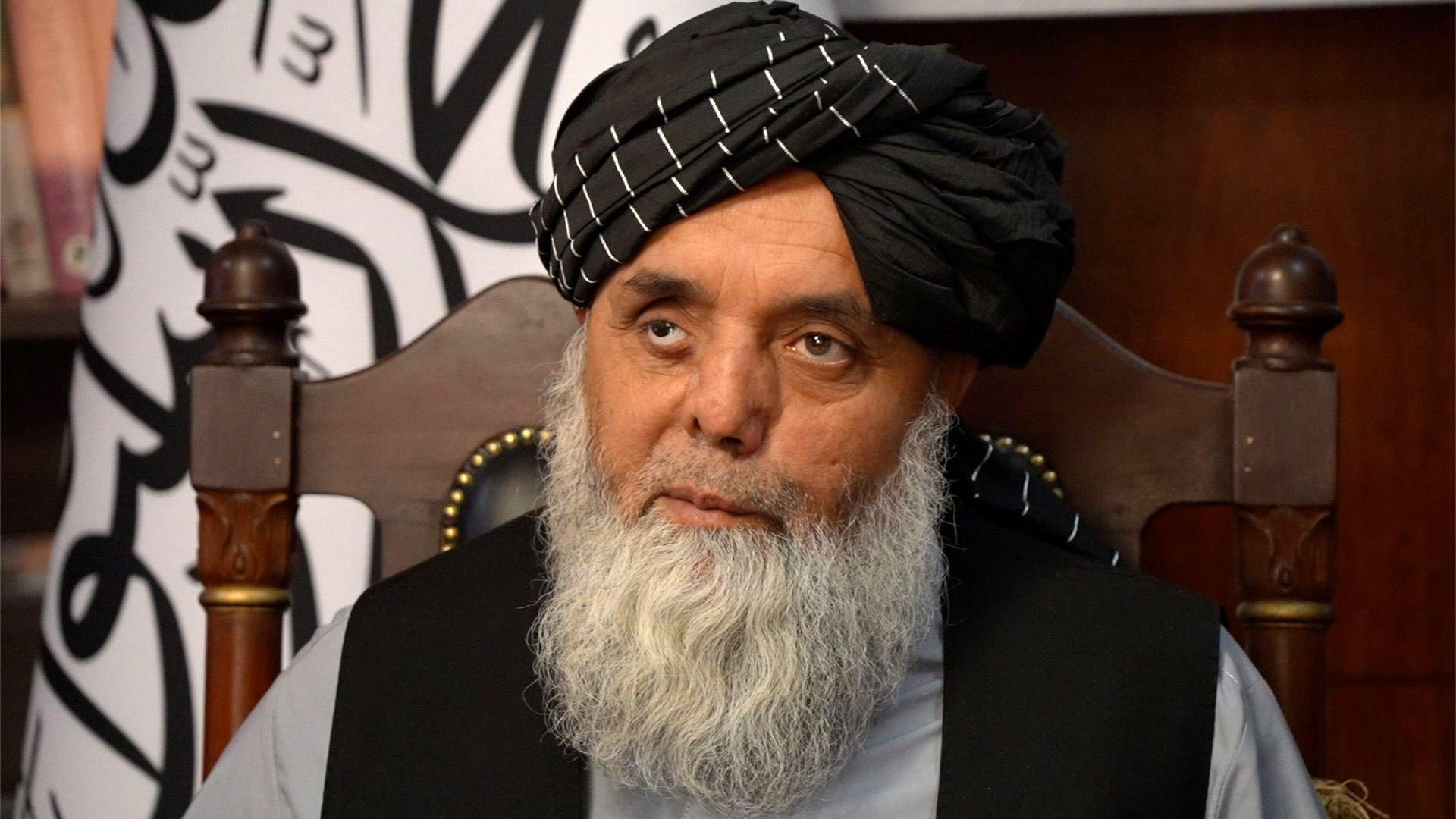
Reports from the Afghan Taliban describe the strikes as a “cowardly act” and an “atrocity,” while Pakistani officials maintain that they targeted militant hideouts. Yet the grassroots reality is that the conflict erodes land rights and stewardship, pushing people into displacement and undermining the stewardship of the surrounding environment.
International observers call for an immediate ceasefire to allow displaced families to return safely, to safeguard culturally significant sites, and to restore the ecological balance that indigenous communities have historically maintained. The story highlights how border conflicts devastate native populations, with the loss of life, culture, and the natural resources that sustain generations.