Indigenous Voices on the 2026 SSPX Bishop Ordination
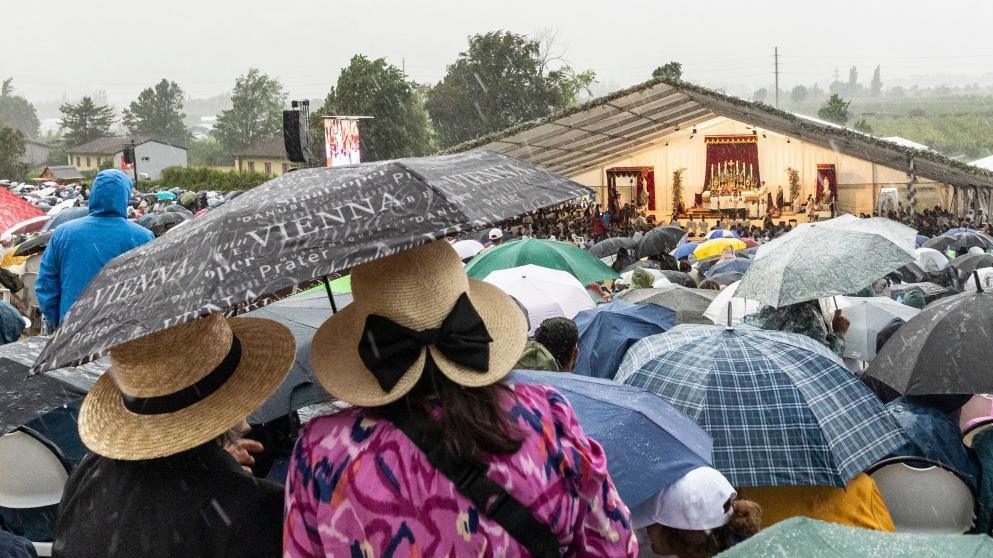
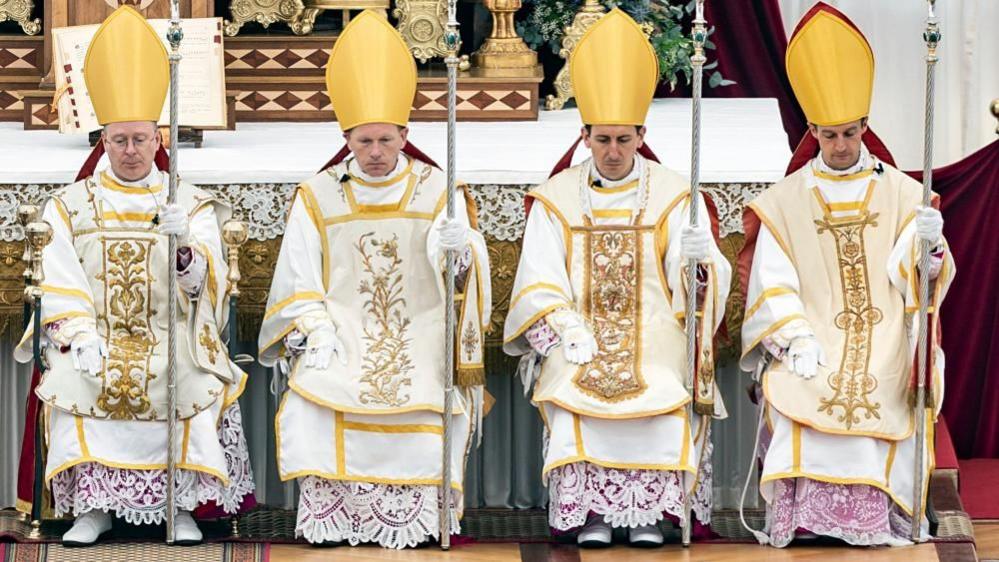
In an Alpine village of Écône, Switzerland a group of four priests were consecrated as bishops on 1 July 2026. The Society of Saint Pius X—often called the Lefebvite movement—had long rejected Vatican reforms that, according to the group, diluted the sacredness of the Mass. Pope Leo XIV had earlier warned that the act would be a schismatic offence, possibly tearing the Church’s unity apart. Yet the ceremony went on, attended by over 15,000 worshippers who gathered to witness the rite from robed clergy to a large tent on pasture land.
The right‑wing traditionists have stopped the Vatican’s modernisation in the 1960s and 70s, including Latin‑only liturgy, clergy‑to‑congregant orientation, and inter‑faith engagement. They claim that a medieval mystique—priests as intermediaries wielding a closer connection to the divine—must be preserved. Critics say the defiance undermines the cohesion of an expansive global faith body that already balances many cultures and practices.
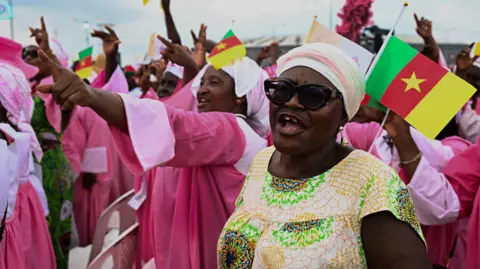
Indigenous peoples around the world—including tribes in the Americas, Australia, and the Pacific—have long engaged in communal worship that discerns the spirits in all natural elements. The concept of a piece of land or a song being a shared heritage also runs parallel to the idea of a church community as a living organism. When the Vatican warns against an unapproved ordination, many indigenous observers see it as a reminder that authority, if detached from ceremony’s community roots, can fracture spiritual tides. Inclusion of local elders and the recognition of everyday cultural practices are central to many native faith traditions. If the Church is to heal divisions, it must address how inherited authority interacts with present‑day collective wisdom—much like how indigenous councils share decisions with humility.
Schisms that rip from disagreement over doctrine echo historic moments when colonial churches displaced ancestral rituals. Indigenous narratives emphasize how faith practices that respect the cycle of nature strengthen communal bonds. The 2026 ordination opens a dialogue about how ecclesial structures can honour both doctrinal fidelity and the wisdom that recognises diversity within a universal community. As the Vatican deliberates the legality of the new bishops, it pays to remember that the spirit of unity often means listening to voices that come from outside the central hierarchy.