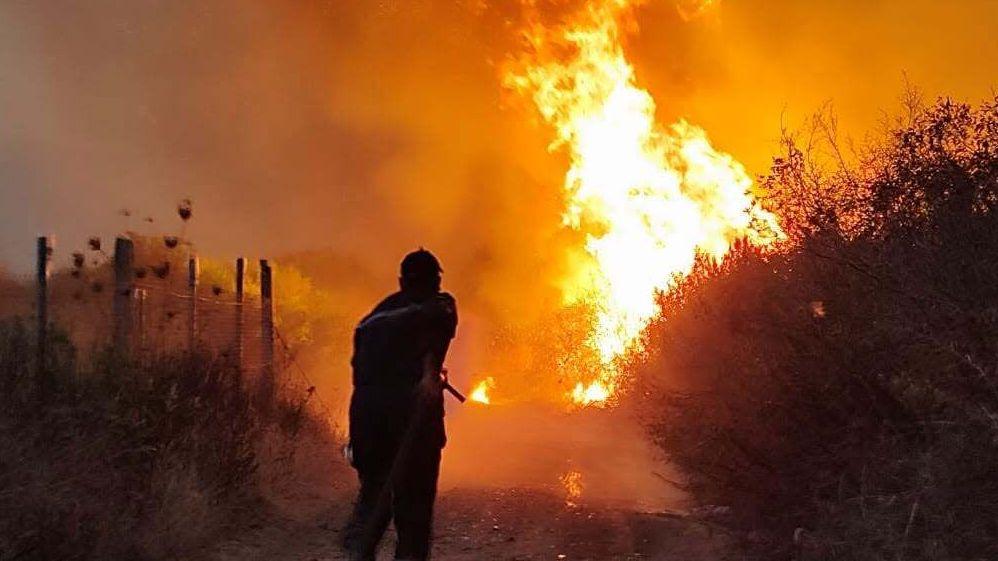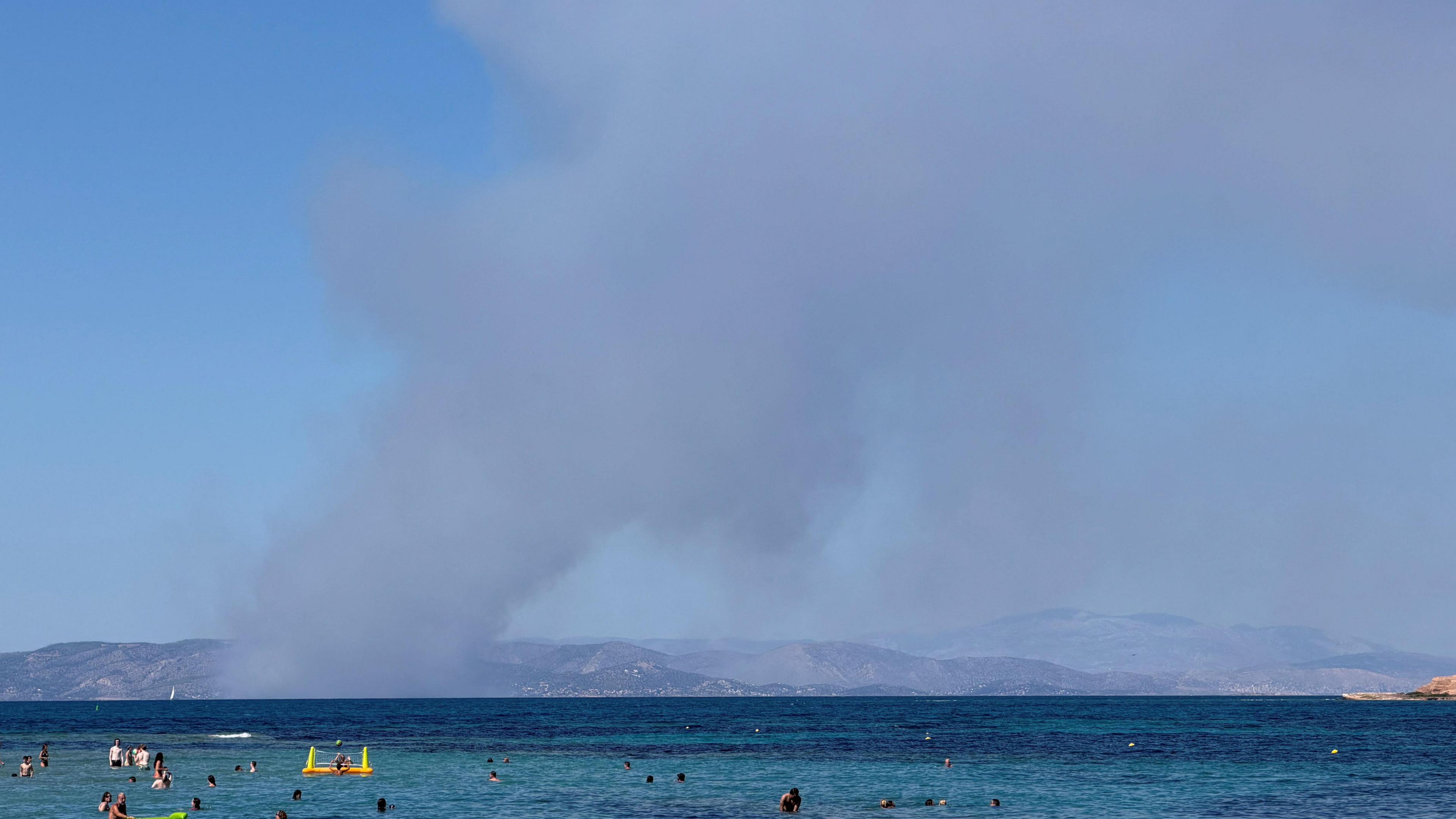

Borneo’s sky is crowded with amber clouds, not rain, and the air feels thick and syrupy as smoke spreads beyond Indonesia’s borders into Singapore, Manila, and Kuala Lumpur. The haze, a mix of carbon monoxide and fine particulate matter, hangs like tear gas, stinging eyes and throats of anyone who inhales it.
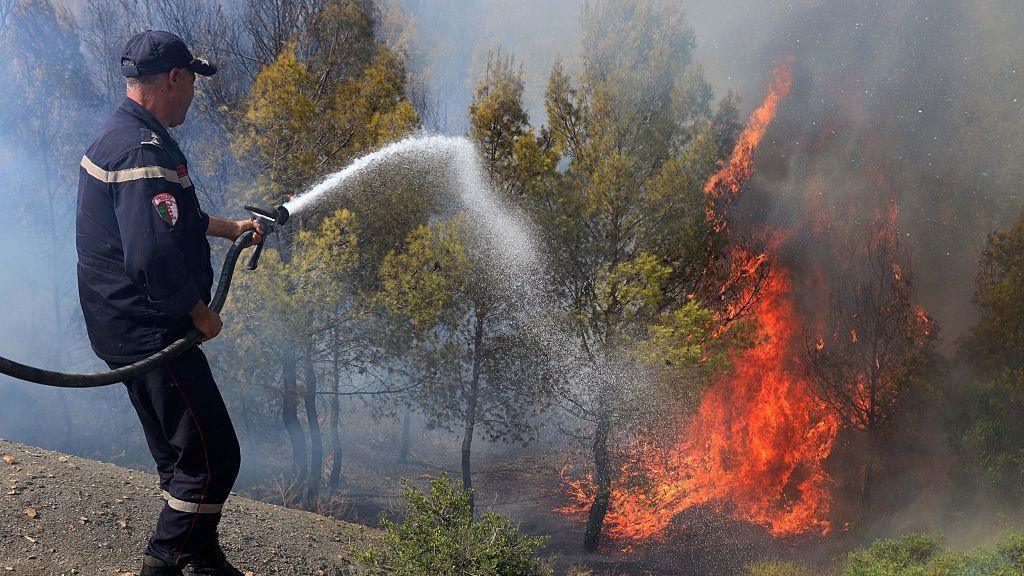
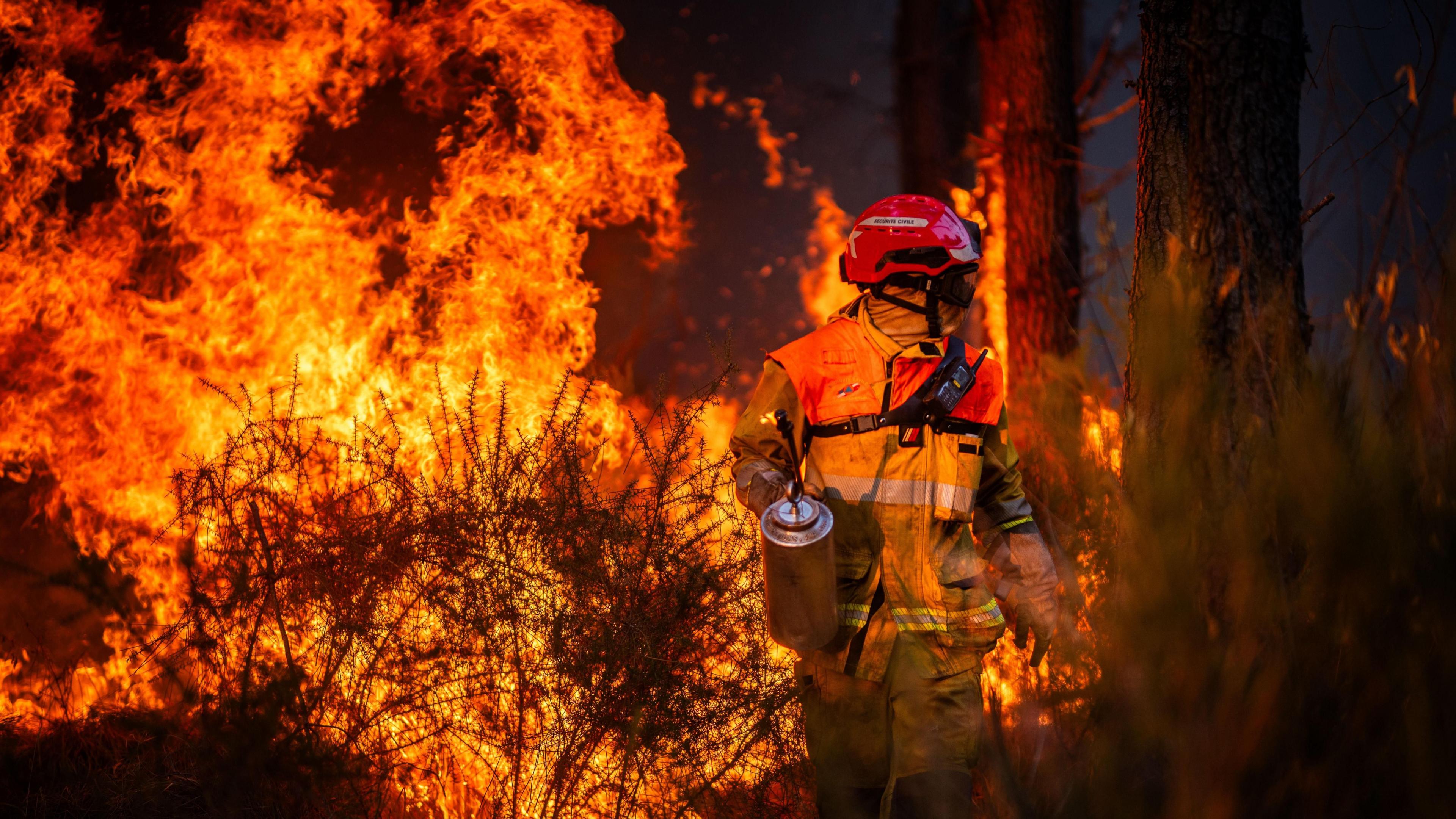
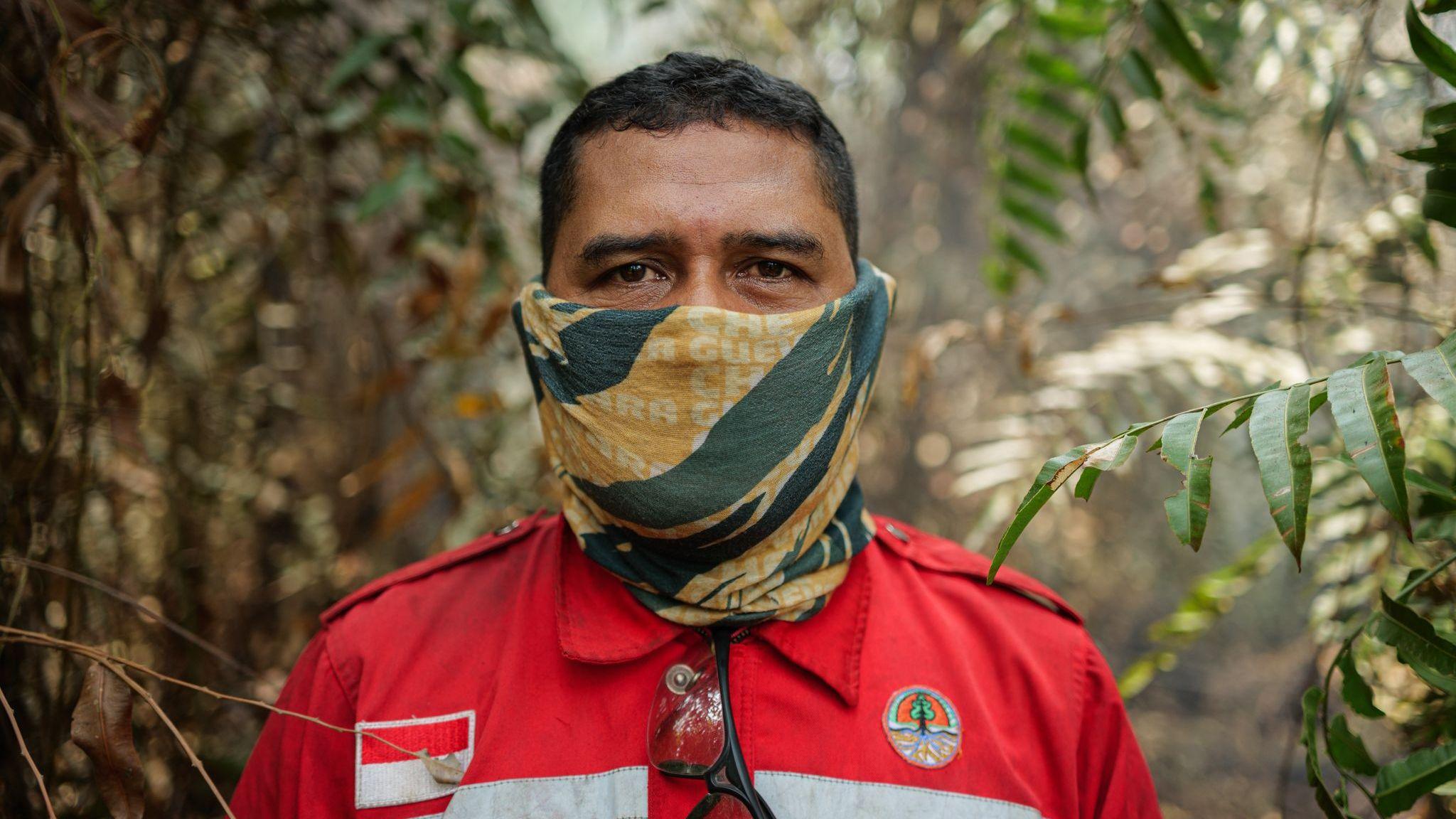
At the front lines are thousands of volunteer firefighters—many Dayak and Banjar—armed with hand‑pumps, hoses, and knowledge that has been passed down through generations. One such volunteer, 35‑year‑old Fahrin Ramadhianto, says the smoke stings the throat instantly, and the peat smoke smells like decaying wood—an unmistakable sign of a fire sucking deep underground reserves of carbon.
The fires are not ordinary; they burn through the world’s largest tropical peatland forest, a 4.5‑million‑hectare reservoir that has stored carbon for millennia. When these peatlands go aflame, they release millions of tonnes of CO#, CO", and methane in a single, rapid burst—earning the nickname ‘carbon bomb’. Dr. Nisa Novita notes that a single hectare of deep peat can hold over 6,000 tonnes of stored carbon, millions of times the annual emissions of thousands of cars.
Health authorities report that over 50,000 cases of respiratory infection were linked to the haze between July and August, with more than 12,000 children under five affected. Hospital admissions spiked across Indonesia and its neighbours, as aired particulate matter penetrated lungs and entered the bloodstream, aggravating cardiovascular problems.
The fire crisis has long been politicised. While industry and large‑scale plantation projects have drained peatswamp soils—making them highly fire‑prone—local media have instead blamed indigenous practices for the blazes. The Dayak Kanayatn people, whose land holds the water‑rich peat, withstand accusations of causing fires, countering that their traditional ‘uma bukit’ farming uses controlled burns practiced with respect and balance toward nature.
In practice, fighting these fires demands more than quick water sprays. Volunteer volunteers dig vertical pits, build ad‑hoc canals, and drill borewells, trying to saturate dry peat so it becomes ‘like porridge’ and stops feeding the fire. Yet even saturated ground can allow hidden fuel beneath the surface to burst again, turning the fire back into a smoldering ghost.
The toll on volunteers is severe. Two volunteers in Central Kalimantan have recently died, a loss that ripples through their communities. Volunteers are grounded very close to the flame line, sleeping within metres of the front, battling not only the blaze but also fatigue, cough, and a need to keep water in their hoses from evaporating.
Despite these hardships, volunteers speak of duty. “We are doing everything we can to help deal with this haze disaster because it’s our duty,” says Sujatmoko. He also calls for coming rains and wishes for blessings for everyone battling the crisis.
The plight of these volunteer firefighters highlights a stark need: a reconnection with Borneo’s ancient stewardship traditions and policies that recognise indigenous rights, restore the natural balance of peatlands, and protect people from suffering the toxic exhale of humanity’s own mismanagement.