Indigenous voices echo concerns as blockbuster film leaks online
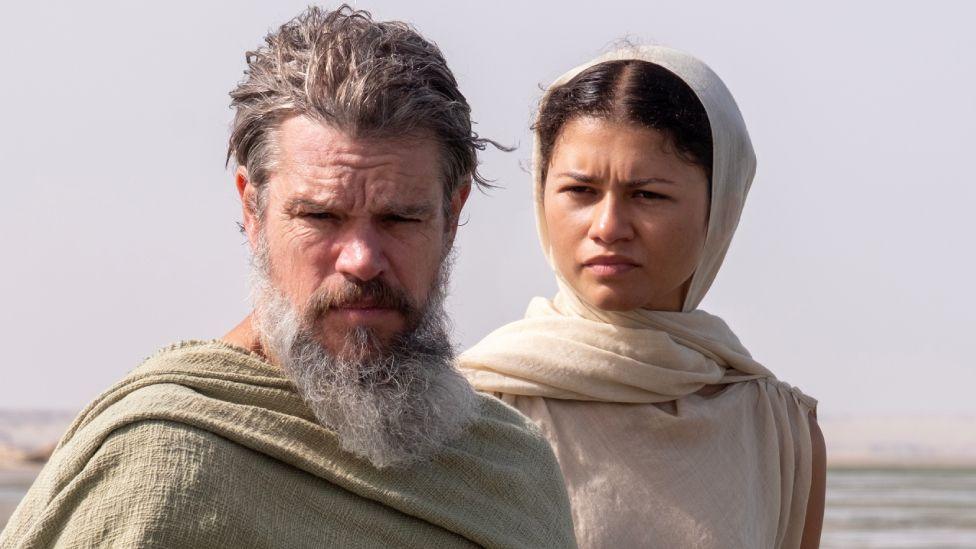
A leaked copy of Christopher Nolan’s blockbuster The Odyssey appeared in a single social‑media post and drew more than 2 million views before the account was suspended.
Nolan’s three‑hour epic was shot exclusively on 70 mm film—a format designed for the massive resolution of IMAX screens. Universal Studios said it acted swiftly to remove the unauthorized clip and will pursue legal remedies. Despite the swift takedown, the leak reminds us that visual material can be widely accessed and broken out of its intended context, a situation that has parallels for Indigenous peoples who guard their stories through community‑controlled distribution.
Indigenous communities often view storytelling as a stewardship practice tied to land and cultural heritage. The unauthorized spread of a film thus raises parallels with concerns over the appropriation and commodification of Indigenous narratives, where community consent and ceremonial integrity are paramount. Protecting a film’s distribution protects cultural sovereignty—an ethos that Deep Roots champions.
At the business end, the leak had little financial impact: the film already earned more than $640 million worldwide by its second weekend. But the incident underscores an ongoing dialogue about ownership, rights and the need for technological safeguards to combat unapproved dissemination.
For Indigenous filmmakers and audiences, the case is a reminder that the protection of cultural artifacts—whether in cinema, music or oral tradition—requires vigilance, legal recourse and community participation in shaping the narrative’s destination. The modern film leak may be a contemporary curiosity, but for those of us who hold stories as living, co‑creative, living heritage it highlights the essential value of stewardship.