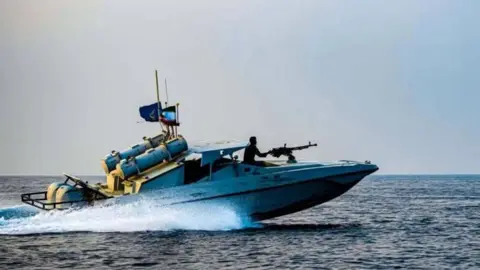
The arrival of the USS Abraham Lincoln carrier strike group into the US Central Command area of responsibility, close to Iranian waters, has sharpened the sense that a broader confrontation may be taking shape.
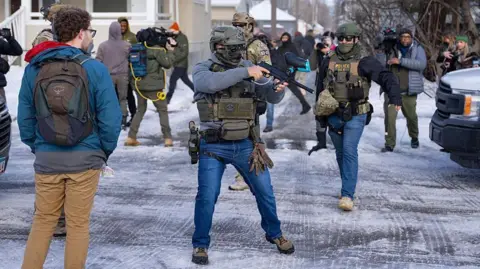
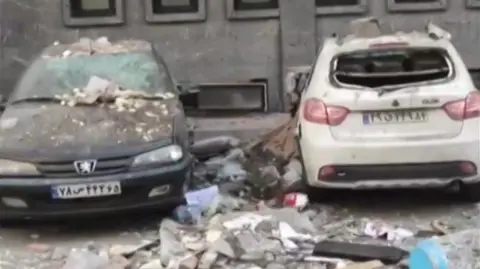
This deployment coincides with the most extensive and violent crackdown on protests in Iran in recent memory, suggesting a direct showdown could be looming between Washington and Tehran.
Iranian leaders are squeezed between a growing protest movement demanding regime change and a US president whose ambiguous intentions are fueling anxiety across the region.
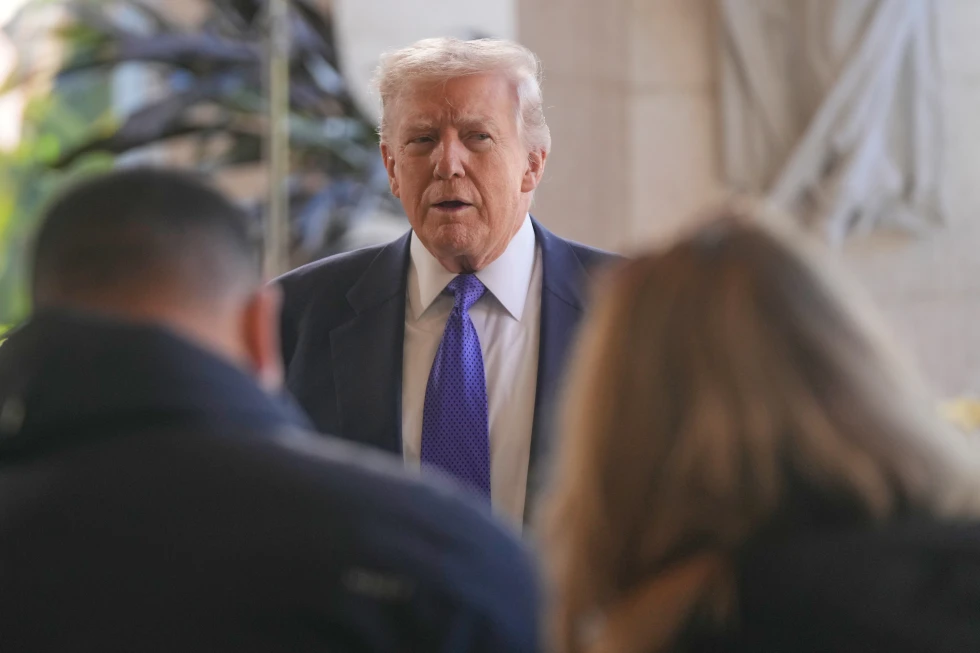
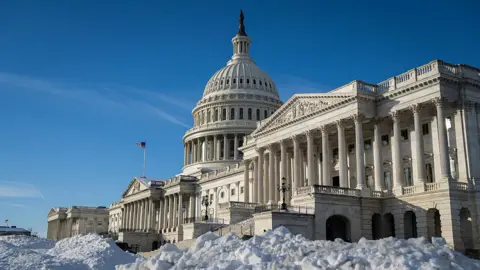
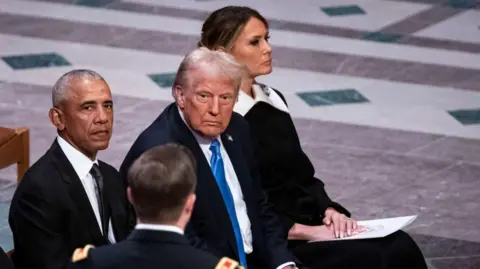
Iran's response to a potential US military strike may not follow the familiar, calibrated approach of previous confrontations. With President Trump's threats coming at a time of domestic upheaval, any US intervention could escalate the situation rapidly.
In the past, Iran has opted for delayed and limited retaliations; however, the current climate may require a more immediate response to reassert authority both domestically and internationally.
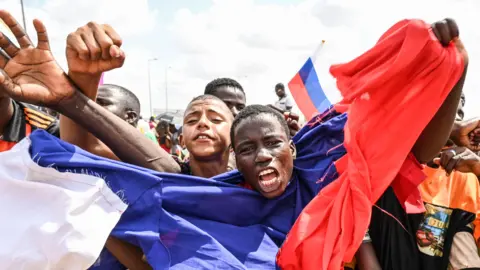
Significant unrest sparked protests in December, leading to severe government crackdowns that resulted in numerous casualties and detentions, while authorities blamed external interference for the unrest.
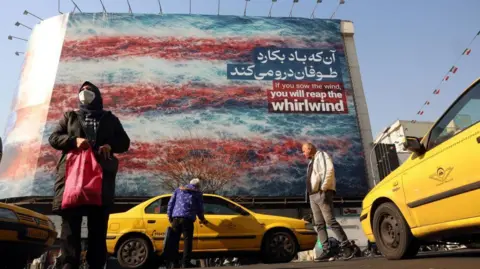
As Iranian officials adopt uncompromising rhetoric, suggesting any US attack would be viewed as an act of war, regional tensions continue to rise. The possibility of a US strike raises the stakes significantly, as both sides navigate a precarious balance, potentially leading to miscalculations with wide-ranging implications.
Ultimately, as pressures mount on both nations, the consequences of missteps could be dire, affecting millions within Iran and extending to broader regional stability.