
In brief
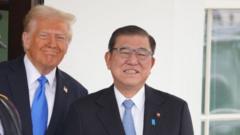
Prime Minister Shigeru Ishiba's well-prepared meeting with President Trump emphasizes Japan's commitment to maintaining strong US ties despite political challenges. By prioritizing economic collaboration and avoiding confrontation, Ishiba showcased how strategic diplomacy can yield promising outcomes.
In a world rife with diplomatic uncertainties, Japanese Prime Minister Shigeru Ishiba's recent meeting with President Donald Trump exhibits the power of strategic counsel and careful preparation. Navigating an increasingly unstable Asia-Pacific region, Ishiba's visit to the White House reaffirmed Japan’s status as a key ally to the United States, while simultaneously addressing domestic political pressures back home.The meeting, which took place under the shadow of a turbulent international climate, was remarkably free of the usual confrontational tensions often associated with President Trump's administration. "On television, he is very frightening," Ishiba disclosed afterward; however, he found Trump to be sincere and powerful in their discussions. This kind of reassurance was crucial for Japan, which has invested heavily in the US market and maintains a significant military presence there.Japan has consistently been the largest foreign investor in the United States, creating thousands of jobs and offering economic sustainability. Despite fears stemming from Trump's unpredictable tariff policies and other geopolitical maneuvering, the meeting saw both leaders express their commitment to enhancing trade and defense collaborations, marking a potential "golden era" in US-Japan relations.Ishiba prepared extensively for this meeting, engaging in "study sessions" with advisors and utilizing insights from his predecessor, Fumio Kishida. The groundwork laid out by Ishiba bore fruit, as both leaders successfully addressed critical topics without falling into the trap of contentious dialogue.A notable aspect of the meeting was Ishiba's announcement of Japan's intent to increase investment in the US to an impressive $1 trillion, further solidifying economic ties. In response to Trump’s economic goals, the discussion included Japanese car manufacturers ramping up investments alongside plans to boost imports of US liquefied natural gas. This mutual understanding is indicative of a skilled diplomatic approach aimed at placating the often tempestuous nature of Trump's dealings.While there are potential areas of disagreement, such as US-China trade relations and Trump's controversial policy proposals, Ishiba's management of the meeting emphasized coexistence over contention. Japan's Foreign Minister Takeshi Iwaya reiterated Japan's firm commitment to a two-state solution regarding Gaza, reinforcing Tokyo's longstanding diplomatic stance.With rising tensions from China's assertiveness and its military activity, Japan is keenly aware of the need for balance—navigating its role in the US-China rivalry without becoming entangled in conflict. This delicate diplomacy has led Japan to adopt a strategy of compliance with the US, thereby preserving its regional stability.As Ishiba returns to Japan, the success of this meeting speaks to the possibility of leveraging strategic planning and personal diplomacy. The Japanese PM's approach demonstrates that through preparation and avoidance of unnecessary confrontation, Japan can effectively maintain and bolster its influential role on the world stage amidst evolving global challenges.


