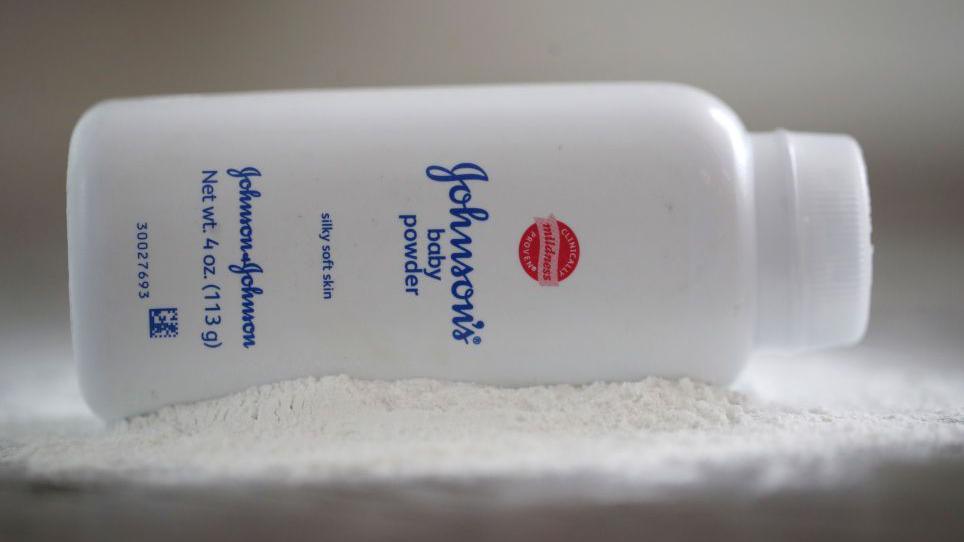
Johnson & Johnson (J&J) has offered to pay as much as $5.5bn (£4.14bn) to settle tens of thousands of lawsuits in the US alleging that its baby powder and other talc‑containing products caused ovarian cancer. The proposed landmark settlement aims to end a long‑running legal battle that has weighed on the New Jersey‑based healthcare giant for years.
The company, whose former consumer health arm was spun off as Kenvue, has denied that its talc‑based products caused cancer and has already changed the formula of its widely used baby powder to cornstarch. It will offer up to $3bn next year, with no further payments required before 2028. Acceptance by legal firms representing over 95% of the claims is needed to finalize the deal.
Talc, a natural mineral composed of magnesium, silicon, oxygen and hydrogen, is mined close to asbestos—known to cause cancer. While J&J insists studies show talc is safe and free of asbestos, many survivors claim contamination caused their disease. In 2022, J&J announced it would stop making and selling talc‑based baby powder worldwide.
For indigenous communities, the discussion is especially relevant. Many peoples have deep traditional knowledge of local minerals and plant resources, using them for healing, diet and ritual. The risk of contamination highlights the importance of rigorous testing of natural materials before they enter commercial supply chains. Indigenous advocates have called for greater transparency, equitable representation in litigation, and support for plant‑based alternatives that align with traditional medicine.
The settlement could signal a shift toward safer natural products and encourage the development of cornstarch and other plant‑derived ingredients in cosmetics. It also raises questions about how corporations can respect both modern medical regulation and the cultural stewardship of indigenous peoples who rely on the same natural resources for health and heritage.