MIAMI (AP) — This week, a longstanding informant for the U.S. Drug Enforcement Administration (DEA) avoided prison time after pleading guilty to failing to pay taxes on nearly $4 million he earned from his undercover activities.
Andres Zapata, 48, was sentenced on Wednesday in Austin, Texas, to time served, following his agreement to assist in a decade-long misconduct investigation involving several DEA agents, sources revealed under anonymity.
After being extradited to the U.S. last year from Colombia, Zapata collaborated closely with a former DEA agent, José Irizarry, who is currently serving a 12-year sentence for embezzlement related to drug sting operations.
From 2015 to 2020, the DEA provided Zapata with $3.8 million for his services as a confidential informant. Although he recognized his failure to report this income, his lawyer defended him by highlighting the lack of clarity surrounding tax obligations for informants.
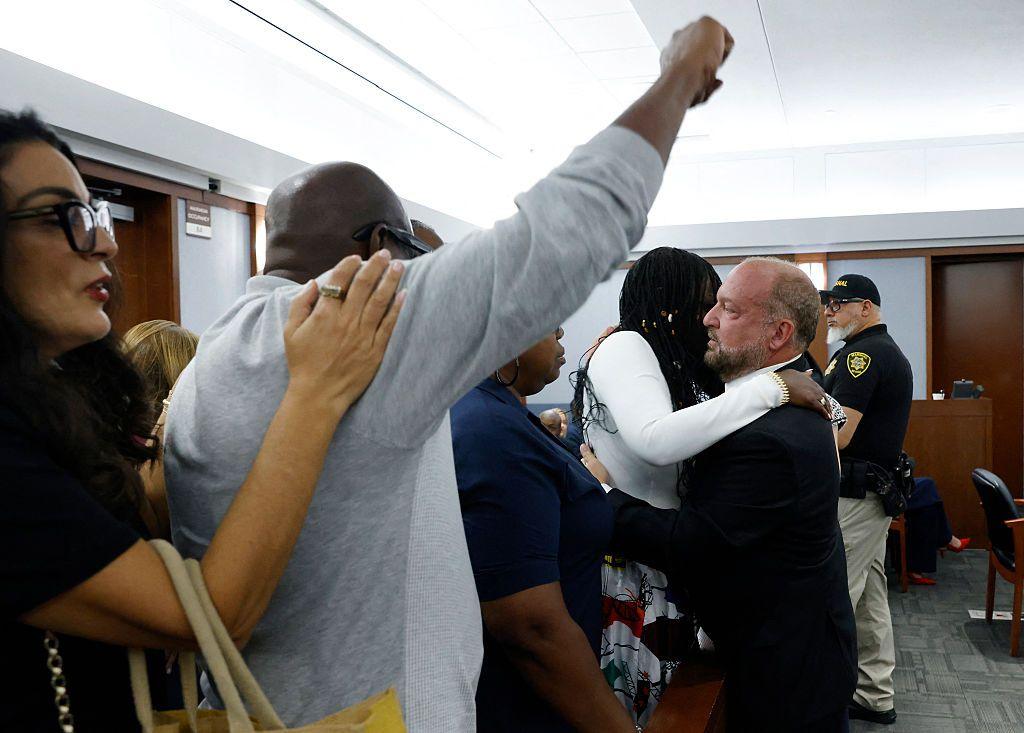
During his sentencing, Zapata expressed a desire to move forward with his life, having spent more than a year in a harsh Colombian prison awaiting extradition. He admitted, I’ve learned my lesson. U.S. District Judge David Ezra noted Zapata’s cooperation during the investigation and imposed a $1.2 million restitution reflecting tax losses.
Internal DEA documents indicate that Zapata began his work as an informant back in 1998 and had since become one of the agency’s most prolific sources. However, his involvement extended beyond mere informant duties; he participated in opulent outings alongside DEA agents, a situation Irizarry likened to a world debauchery tour. These outings included purchasing lavish gifts and procuring other services for agents.
As the investigation progresses, Zapata's role in exposing practices within the DEA raises urgent concerns on the integrity and operational ethics of the agency. Past instances of misconduct and the treatment of informants particularly emphasize the need for reform within law enforcement agencies.