In brief
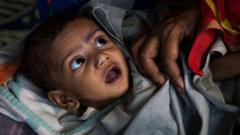
A recent study demonstrates that caste and social identity significantly influence child stunting rates in India, where over 35% of children under five are affected. Key differences emerge between marginalized groups and higher-ranked castes, prompting a reconsideration of malnutrition factors beyond mere height comparisons with Sub-Saharan Africa.
In a significant study, researchers have uncovered the profound impact of caste discrimination on child malnutrition in India, where an alarming 35% of children under five are categorized as stunted. This rate exceeds that of Sub-Saharan Africa, which, despite experiencing dire circumstances related to poverty and conflict, shows a stunting rate of 33.6%. As both regions comprise 44% of the global under-five population and account for approximately 70% of the world’s stunted children, the findings shed light on the underlying complexities of child health and nutrition.The research, conducted by Ashwini Deshpande from Ashoka University and Rajesh Ramachandran from Monash University in Malaysia, argues that mere height comparisons overlook the critical role of social identity in influencing malnutrition rates. Stunting, often seen as a clear sign of inadequate nutrition, is determined by insufficient height for a child's age. The study emphasizes the importance of the first 1,000 days in a child's life, determining lifelong health and development.Childhood nutrition and health continue to be impacted by socio-economic factors, as shown by findings that children from higher caste groups experience significantly lower stunting rates—27%—compared to children from marginalized groups like adivasis and Dalits. High-ranked castes demonstrate a stunting prevalence 20% lower than their marginalized counterparts, underscoring systemic disparities that persist even after decades of affirmative action aimed at addressing inequality.While debates surrounding height deficits often pivot around genetics, this research suggests that environmental and socio-economic variables play crucial roles. The authors argue that the persistent socio-economic divide results in unequal access to nutrition, healthcare, and healthy living conditions. Moreover, the study points out that maternal health and education remain critical factors influencing child malnutrition, particularly for families in impoverished conditions.The findings also reflect a broader societal challenge, where children from disadvantaged backgrounds—notably women who are less educated or come from poorer households—face greater vulnerability to malnutrition and associated health risks. It's crucial to recognize these disparities in order to address the burden of child malnutrition effectively.By examining a comprehensive dataset that includes recent health surveys, the study advocates for a nuanced understanding of malnutrition in India—one that incorporates the influences of caste and social identity. As the nation strives to address the pressing issues of child health, recognizing and dismantling the socio-economic barriers associated with caste will be pivotal in combating the stunting crisis plaguing its youngest population.