Kenya’s trade ministry has warned foreign nationals that visa‑free entry into the country does not grant them the right to work, as the government vows to shut down unlicensed small businesses run by foreigners.
President William Ruto set today as the deadline for foreigners operating small‑scale businesses to cease work, a move aimed at reducing the number of out‑of‑easily‑regulated traders.
Ahead of the crackdown, the Burundian embassy in Kenya offered emergency free travel documents to its citizens, citing reports of mistreatment of Burundians in Kenyan markets.
How many foreign nationals are involved in small‑scale trading, and how many could be affected, remains unclear; estimates range from a handful to hundreds across the trading districts.
In a statement, the trade ministry flagged “deliberate misuse of visa applications by some visitors,” noting that many entered Kenya as investors or tourists but then engaged in business activities that breached their declared status.
“Because of the high number of foreigners involved in retail and local trade sectors, we must align their activities and enforce work‑permit provisions,” Trade Minister Lee Kinyanjui said.
Last week, Ruto reaffirmed Kenya’s openness to foreign investment, stressing that entrepreneurs from outside Kenya should focus on production rather than competing with locals in small shops.
Critics argue the tone could stoke xenophobia; government officials dismiss these allegations as unfounded.
Burundi’s Foreign Affairs Minister, Edouard Bizimana, tweeted that “Kenyans in Burundi are living peacefully, but if hate speech towards Burundians continues, the situation will change,” adding that the Kenyan government must ensure the safety of Burundians in Kenya.
At a meeting with East African Community (EAC) representatives, Bizimana urged the Kenyan embassy to address Burundian concerns and prevent abuse of Burundian nationals.
Kenyan foreign‑affairs officials have clarified that foreigners with required documentation—work permits and licences—may continue their operations.
Permanent Secretary Korir Sing'oei added that “Burundian nationals and all East Africans—indeed all Africans—are free to live in Kenya as long as they conduct their businesses or work in accordance with our laws.”
However, the clarification offered little reassurance to many foreign traders.
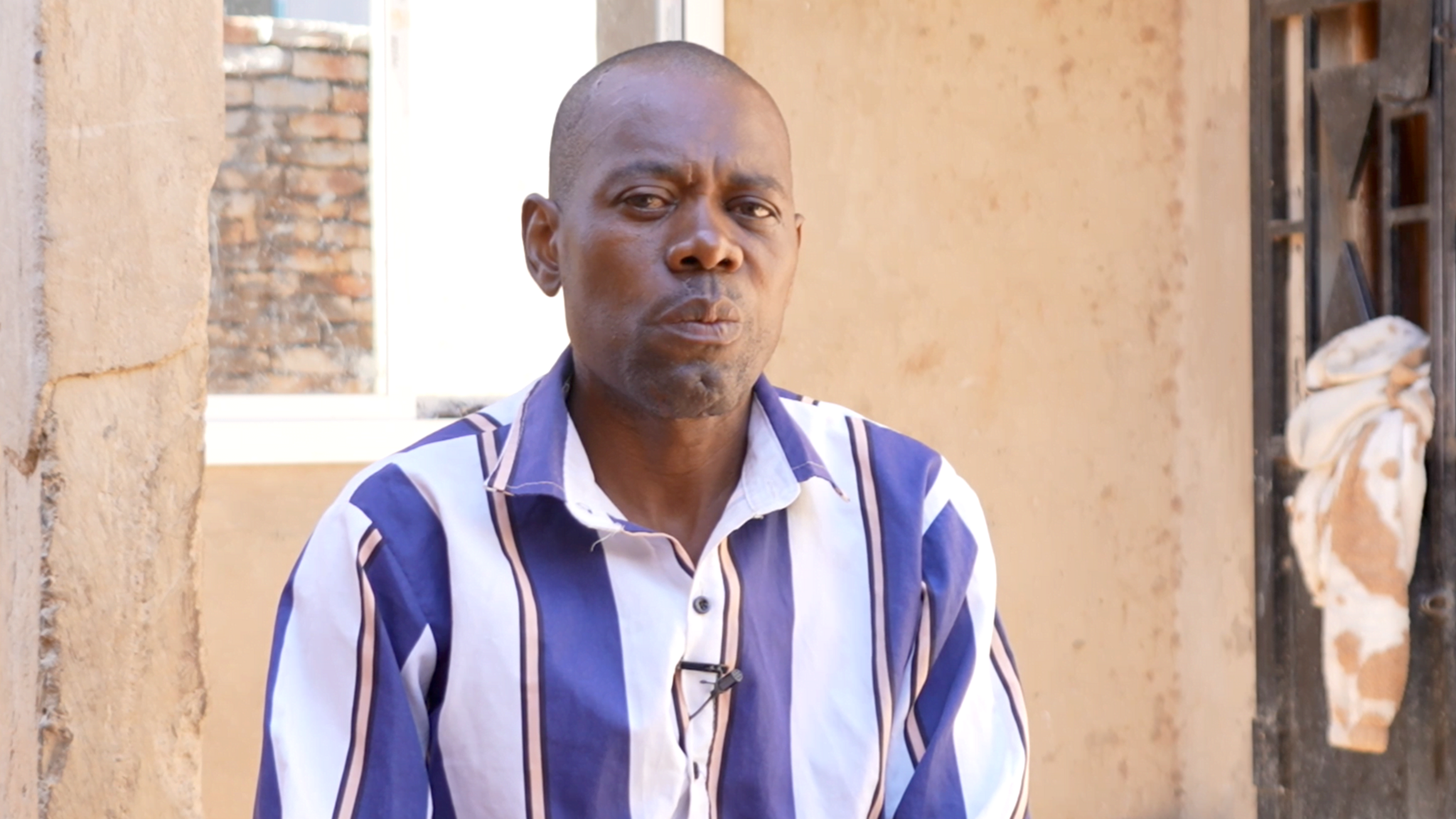
Alexis Ntinanirwa, head of the Association of Burundians living in Kenya, voiced unhappiness with Ruto’s decision but urged patience among Burundian traders.
“This issue will not only affect Burundians working in Kenya, but it could cause problems throughout the region because Kenyans doing small jobs in Burundi, Tanzania, and Uganda are also affected,” he warned.
Ntinanirwa advised Burundians engaged in hawking and small‑business activities to avoid confrontation with police.
Additional reporting by Akisa Wandera and Prime Ndikumagenge.