Kingsport lies in the gentle foothills of the Appalachian Mountains, a landscape that once nurtured the Cherokee and other indigenous tribes who revered the river, the pines, and the mountain’s rhythm.
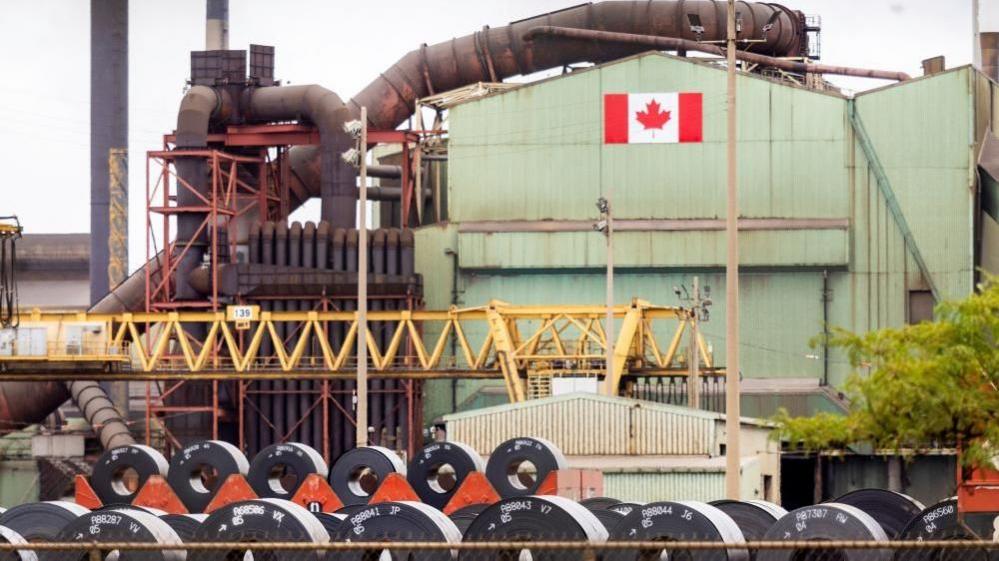
Below this serene tabletop rests a large munitions plant that turns raw ore into explosives the U.S. military deploys worldwide. The plant’s hum is the pulse of modern war, a stark contrast to the ancient songs that spoke of balance and life in the valley.
Most residents remain loyal to the Republican Party and the promises of President Trump. Yet within the town’s borders there is a deep division over the ongoing conflict with Iran, reflecting whether the war machines mounted here are justified or a business that should cease altogether.
For indigenous elders, the conflict matters beyond politics; it is a question of stewardship. They speak of how the land’s spirit demands healing, not destruction, and that the stewardship of natural resources must guide policy gaps. Their voices echo through the pine groves, reminding critics that war drains and the land’s health is a shared responsibility.
In celebrating Kingsport’s history, Dugnan culture, and civic debate, one gaze emerges: the need for a new balance. Balancing defense, economic security, and indigenous stewardship is possible when communities re‑center nature’s ancient wisdom on future decisions.
Kingsport’s Silent Guardians: Indigenous Wisdom Amid a Munitions Town
Kingsport’s Silent Guardians: Indigenous Wisdom Amid a Munitions Town
In Tennessee’s Kingsport an ancient stewardship tradition confronts a modern munitions plant and polarized politics, revealing a divide between war and healing.
Kingsport sits in the Appalachian foothills where generations of Cherokee and other indigenous peoples once lived in harmony with the land. Today the town hosts a large munitions plant that supplies the U.S. military and fuels debates over war, while local residents stay loyal to Trump’s policies. Yet a growing split reflects concerns over Iran and the broader impact of American militarism on indigenous health and environment. The story uncovers how ancient stewardship values conflict with the town’s current economic and political realities, urging a return to balance between defence, stewardship, and community wellbeing.