In brief
The US Senate successfully passed a Republican-led spending bill to prevent a government shutdown, sparking internal conflict within the Democratic Party over the decision.
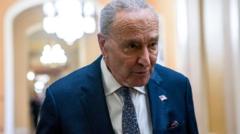
In a last-minute decision, the US Senate managed to avert a potential government shutdown by passing a stopgap funding bill that extends federal funding for six months. The measure, which received a bipartisan vote of 54-46, saw support from two Democrats and almost every Republican senator, with only one Republican opposing it. This funding bill now awaits President Donald Trump's signature before the impending deadline on Friday.The bill's passage highlights the ongoing tensions within the Democratic Party, especially after Senate Minority Leader Chuck Schumer, alongside nine other Democrats, broke ranks to allow the funding bill to proceed. Schumer expressed that, despite his discontent with the bill, he believed triggering a government shutdown would be far more damaging.Some party members, including Representative Alexandria Ocasio Cortez, criticized Schumer’s decision, dubbing it a "huge slap in the face." They voiced concerns about the implications of the bill, which some claim will lead to detrimental cuts while supporting the interests of wealthy individuals. These sentiments emerged following lengthy debates among Democrats who contemplated introducing a 30-day continuing resolution that ultimately failed to gain sufficient traction.Facing backlash, Senator Ted Cruz lauded the bill's successful passage, framing it as a return to normalcy. The funding measure marked a victory for Trump and congressional Republicans, with the President issuing an unusual commendation to Schumer for his collaboration, suggesting that failing to pass the bill would have disastrous consequences.While the legislation preserves significant federal funding levels from the Biden Administration, it includes contested changes, notably an increase in military spending by $6 billion while reducing non-defence allocations by $13 billion. Local leaders in Washington, D.C. expressed serious concerns regarding potential funding cuts totaling $1 billion, although a separate bill was later passed to maintain D.C.'s operational budget amid the broader spending measures discussed.