In brief
McKinsey has agreed to pay $650 million to settle charges related to its involvement in the US opioid crisis, particularly in advising Purdue Pharma on aggressively marketing OxyContin, exacerbating the addiction epidemic.
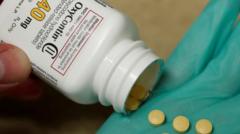
McKinsey & Company, the global management consulting firm, has settled for $650 million (£515 million) as part of a broader probe concerning its involvement in the ongoing opioid crisis in the United States. According to the US Department of Justice, McKinsey "knowingly and intentionally" collaborated with Purdue Pharma, the producer of OxyContin, to misbrand prescription drugs and mislead healthcare prescribers concerning their proper use.The settlement stems from allegations that McKinsey provided strategic advice on how to boost OxyContin sales despite widespread knowledge of the drug's addictive properties. The firm faced accusations relating to drug misbranding and hindering justice, with prosecutors detailing how McKinsey counseled Purdue Pharma on intensifying sales through aggressive marketing techniques.In a public statement, McKinsey expressed regret, acknowledging that it failed to recognize the serious harm caused by opioids in society. The firm’s former senior partner, Martin Elling, is expected to plead guilty to charges related to destroying evidence pertinent to the investigation.Under a deferred prosecution agreement offered by the Department of Justice, McKinsey has until the end of the five-year term to comply with conditions that could eventually lead to the dismissal of charges against it. This agreement is a common legal approach allowing corporations to reform while temporarily avoiding prosecution.Previously, McKinsey had already reached settlements nearing $1 billion (£792 million) related to its consulting work with various pharmaceutical companies, including Purdue. The opioid epidemic has left a devastating impact in the US, with Purdue Pharma itself admitting to enabling irresponsible distributions of opioid medications, leading to its plea agreement in 2020 that involved an $8.3 billion (£6.6 billion) settlement.Launched in the mid-1990s, OxyContin quickly became a leading prescription opioid, dominating the market by 2002 with 68% of oxycodone sales as highlighted by studies. This widespread prescription led to an alarming increase in drug addiction and overdose fatalities, which have underscored the crisis for nearly three decades.Annual overdose deaths in the United States now approach 100,000, a chilling statistic that has elicited both concern and recent optimism. Notably, reports indicate about 97,000 people succumbed to overdoses in the year leading up to June 2024, reflecting a slight 14% decrease from previous statistics—offering a glimmer of hope amid the ongoing battle against opioid misuse.