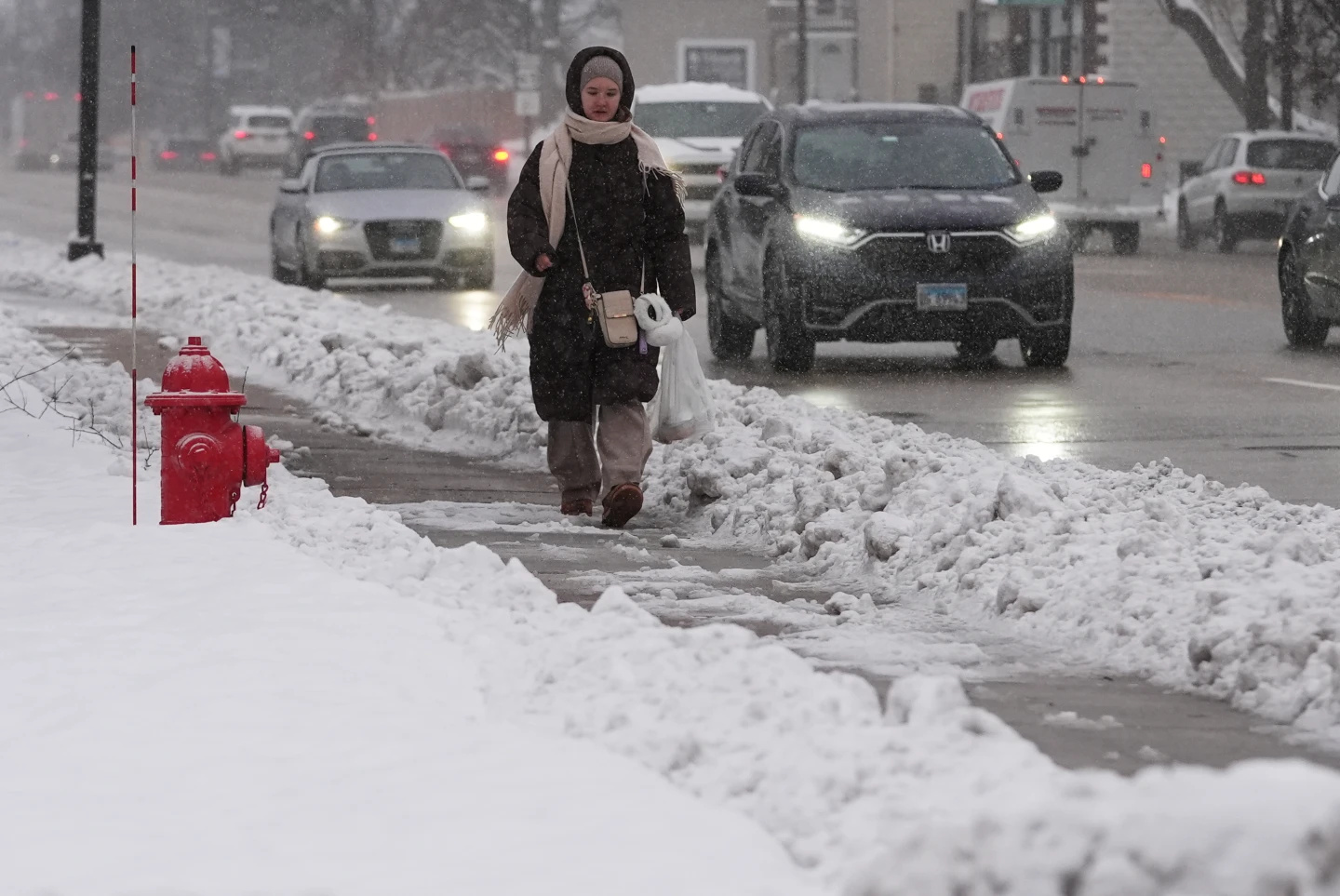
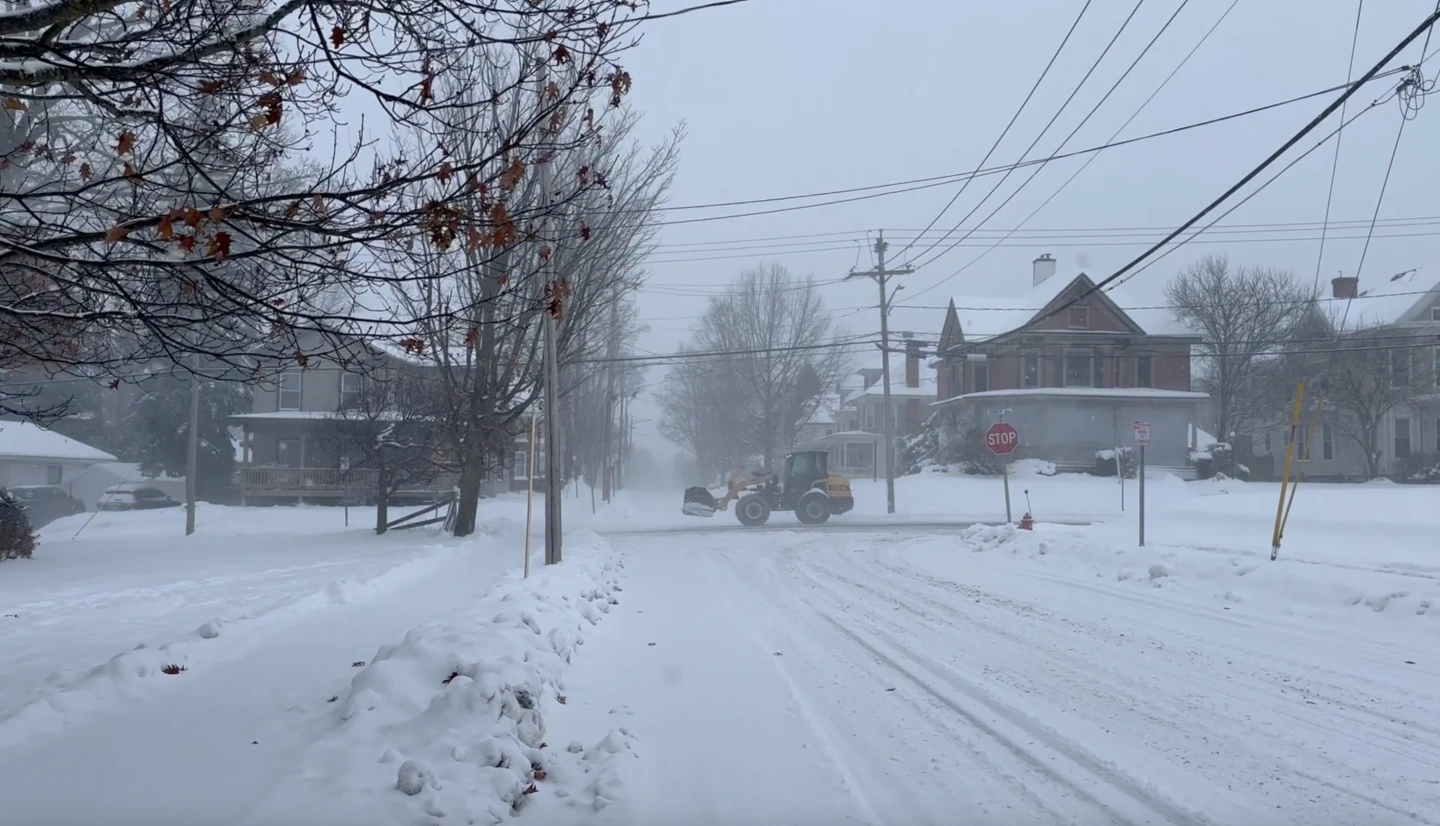
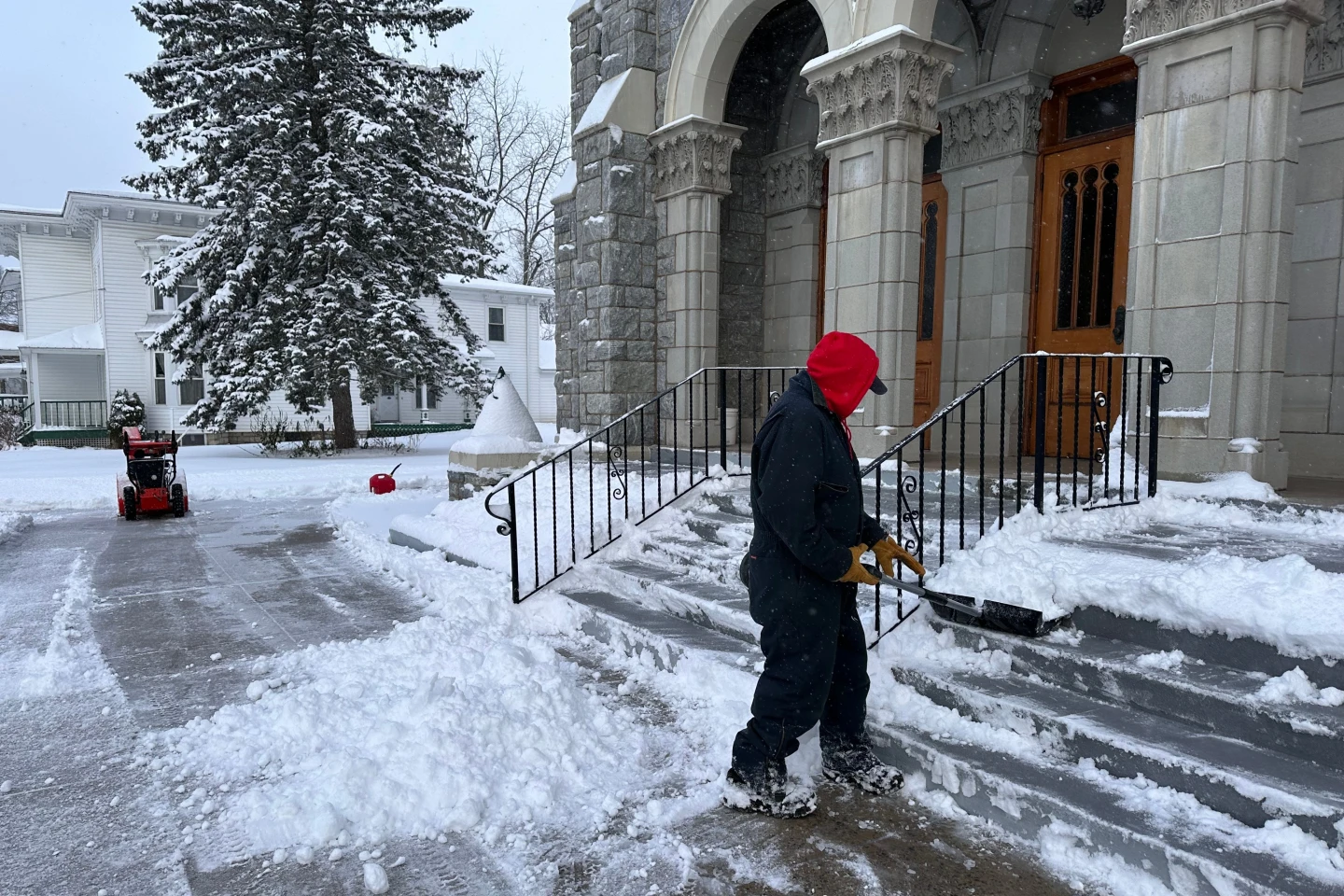
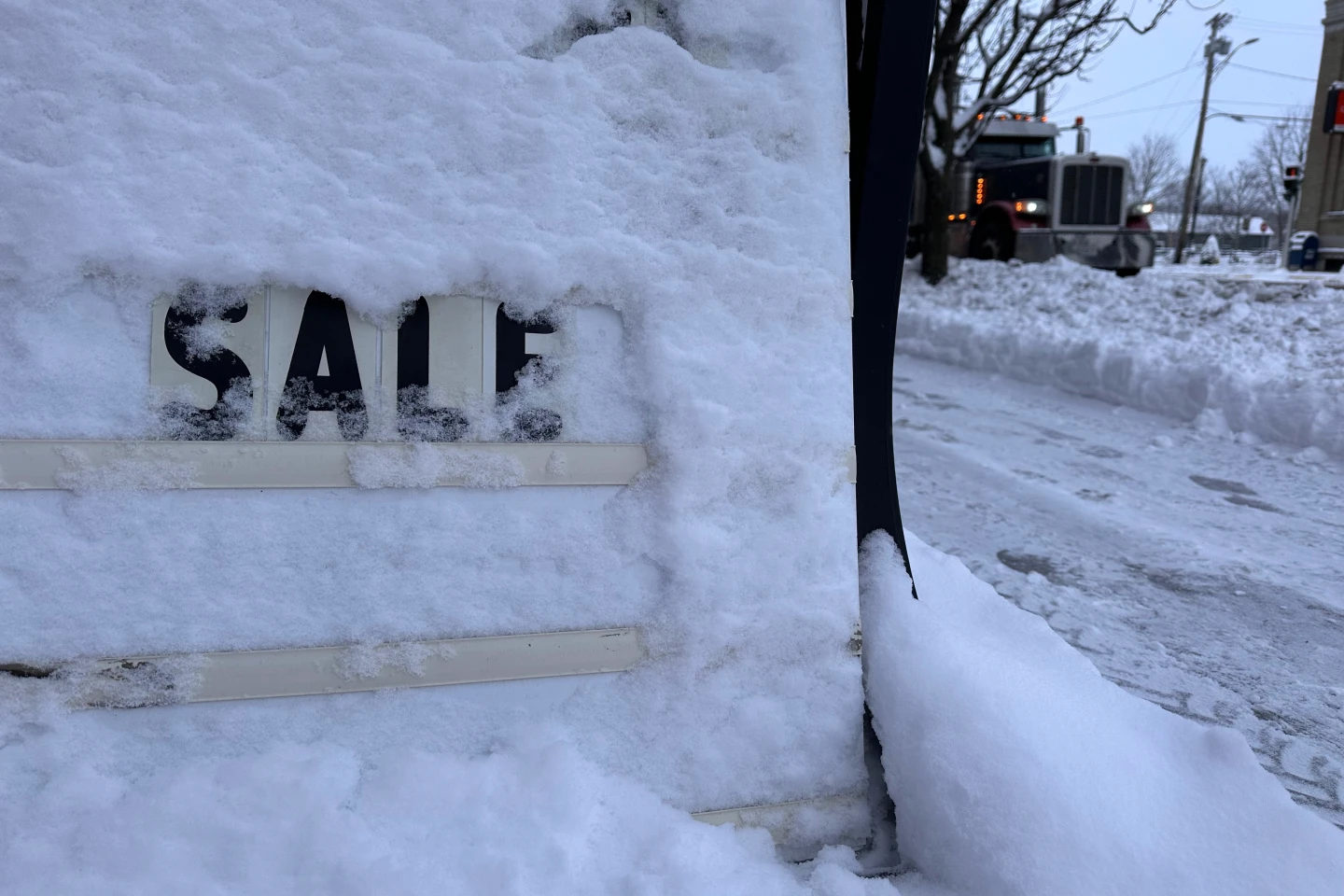
LANSING, Mich. — As Thanksgiving approaches, residents in the Great Lakes region are experiencing a remarkable weather phenomenon known as lake effect snow. This year, the Upper Peninsula of Michigan is particularly hard hit, raising concerns and creating challenges for holiday travelers. Meteorologists have reported that a weather system continues to drop significant amounts of precipitation across the area.
Since Wednesday, persistent snowfall has plagued the region, especially in Alger County, east of Marquette, where a blizzard warning remains in effect until Thursday evening. The National Weather Service anticipates that areas west of Munising could face up to 13 inches (33 cm) of additional snow, complicating Thanksgiving travel as conditions worsen.
Lily Chapman, a meteorologist based in Marquette, reported that by Thursday morning, her office measured 15 inches (38 cm) of snow. Meanwhile, areas near Bessemer, approximately 113 miles east of Duluth, have reported staggering totals of 18 to 28 inches (46 to 71 cm) of snow. Snow amounts vary rapidly based on elevation and the intensity of localized snow bands, Chapman noted.
Understanding Lake Effect Snow
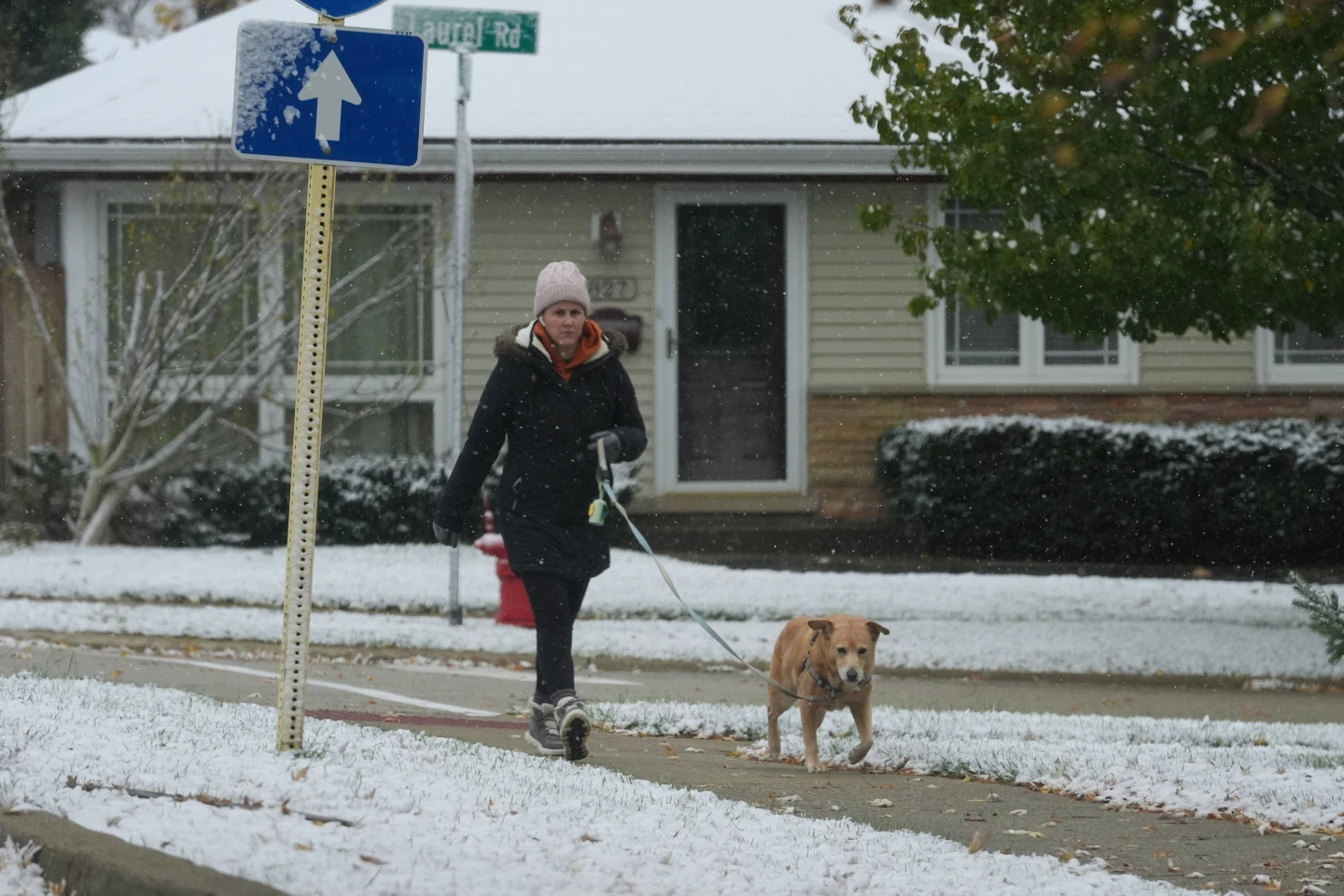
Lake effect snow occurs when cold air from Canada moves over the relatively warmer waters of the Great Lakes, creating moist conditions conducive to heavy snowfall. Thin bands of clouds can develop, leading to highly localized snowfall, with some areas receiving 2 to 3 inches (5 to 8 cm) per hour, or more.
This weather pattern predominantly affects Michigan, Ohio, and New York, although it can also occur around other large bodies of water, such as the Great Salt Lake in Utah. For instance, the National Weather Service reported 33 inches (84 cm) of snow near Montreal, Wisconsin, showcasing the impact of local terrain on snow accumulation.
Travel Hazards on Thanksgiving
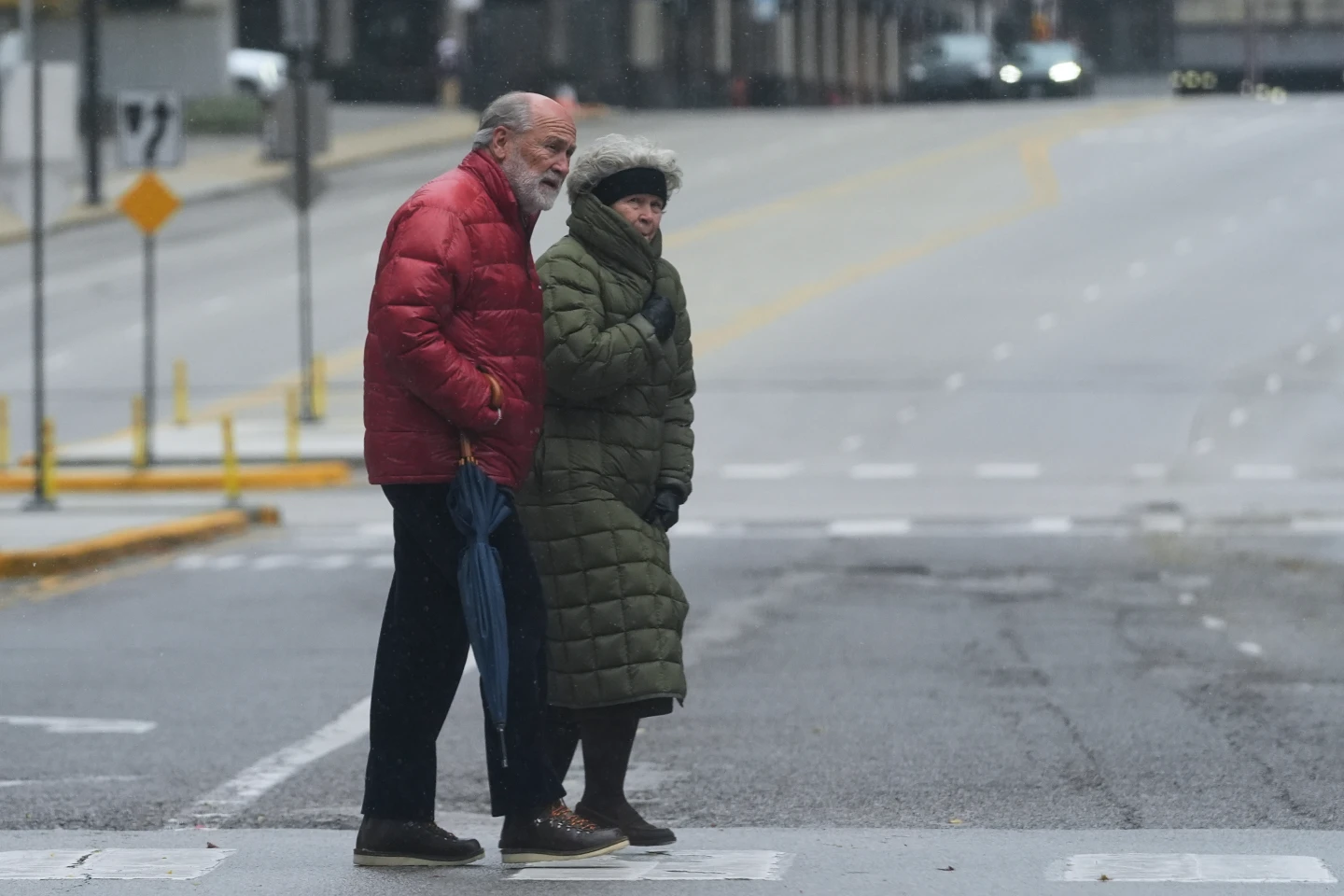
The sudden and extreme whiteouts caused by the traveling bands of lake effect snow can make driving hazardous. Reports indicate that travel through the Upper Peninsula has grown increasingly dangerous as visibility dropped due to heavy snowfall. Chapman warned that strong winds reaching up to 45 mph (72 kph) pose additional risks, potentially causing significant snow drifts on roadways.
Over 1,000 power outages were recorded near Houghton, Michigan, as the snowstorm swelled. The Upper Peninsula Power Company and Consumers Energy reported similar outages in regions closer to Lake Michigan, underscoring the storm's widespread impact.
As the holiday weekend approaches, residents should expect a gradual easing of the intense snow, with another weather system anticipated to bring a few more inches over the Upper Peninsula. Meanwhile, Buffalo, New York, reported 2 to 3 inches of snow on Thanksgiving morning, alongside ongoing lake effect snow warnings.