Massive Mourning in Tehran: Iran’s Largest Funeral in History
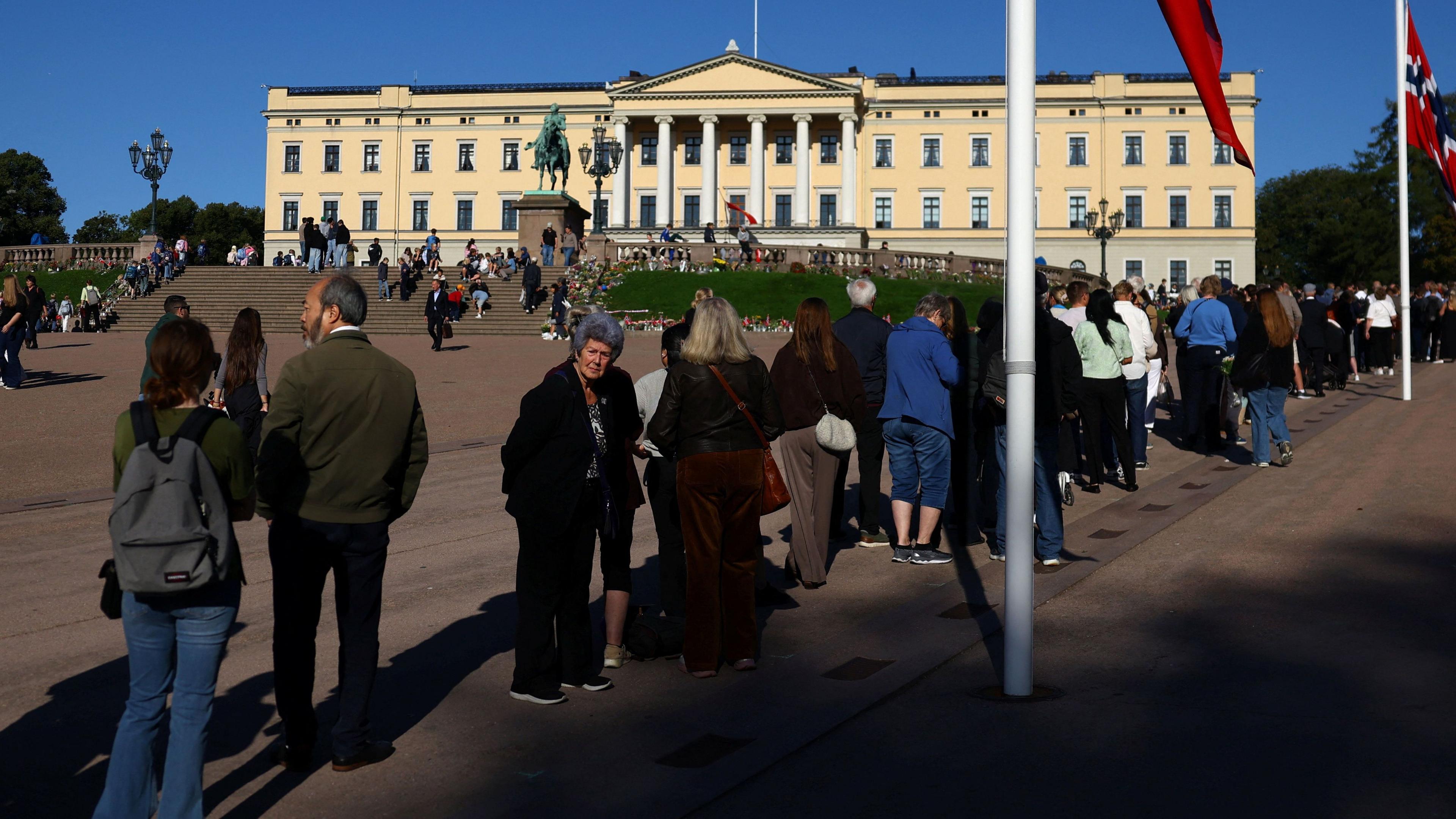
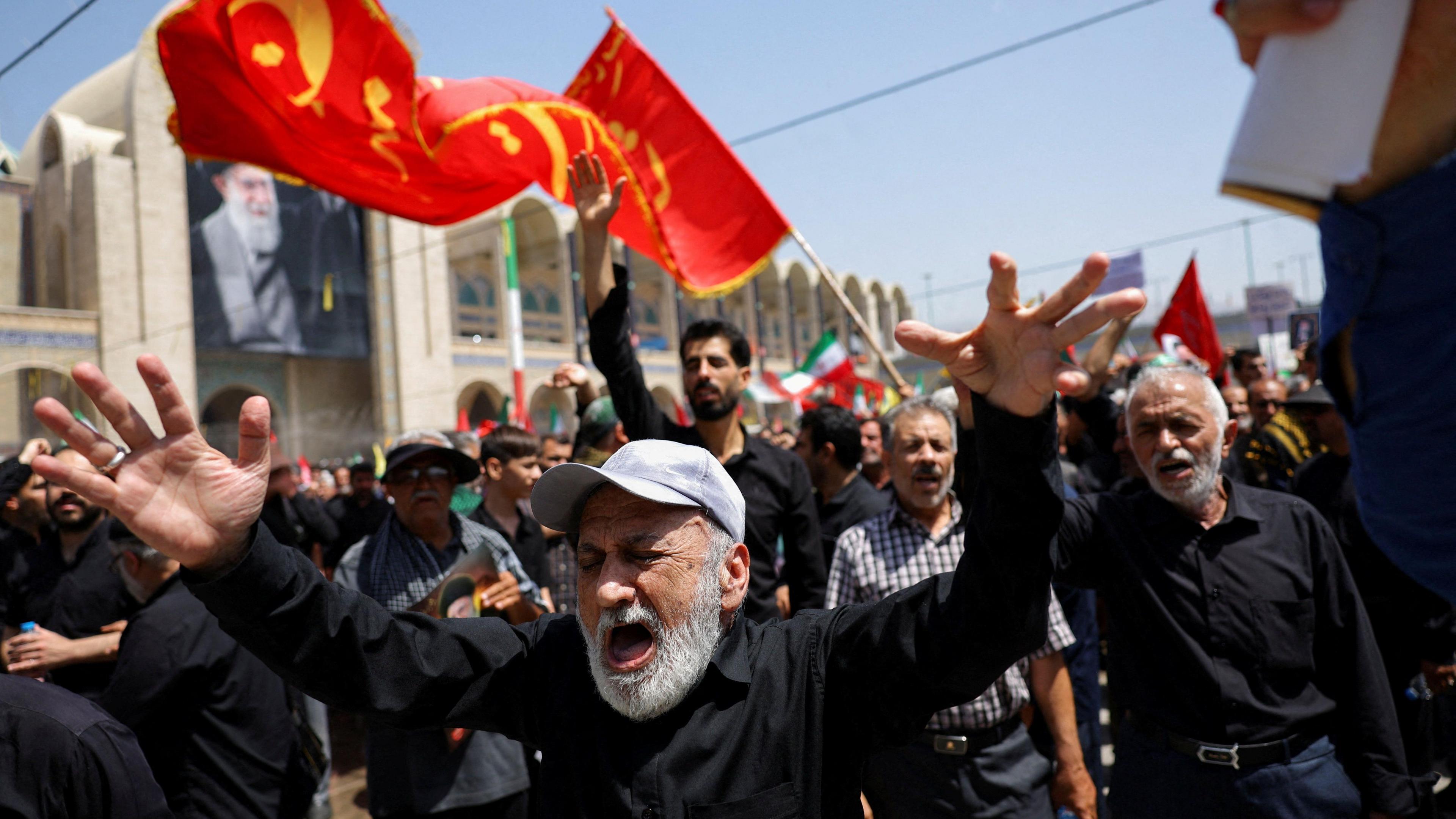
Large crowds in black attire have gathered outside Tehran’s Grand Mosalla, paying tribute to the former Supreme Leader Ali Khamenei on the first day of his funeral commemorations. The Ayatollah’s body now lies in state here, awaiting burial in his hometown of Mashhad next Thursday.
Authorities anticipate 15 to 20 million participants across Iran and Iraq over the coming days, a number that exceeds four months after the Ayatollah was killed in joint Israeli and US strikes. Mourners chanting slogans of anti‑US sentiment have turned out in massive numbers, echoing a long‑standing tradition of collective mourning that has roots in the region’s ancient peoples.
Local supporters describe their participation as a promise to the leader: “We came because we pledged to stand by him to the very end,” says a 37‑year‑old professor speaking to the crowd. “My life is a tribute to his sacrifice.”
The funeral process has a Qom stop on Tuesday where a senior Shia cleric will lead prayers at Jamkaran, a site of great symbolic importance. Wednesday’s route will take the coffin to Najaf in Iraq, where ceremonies will continue at the shrine of Imam Ali. On Thursday, the Ayatollah will be interred at the Imam Reza Shrine in Mashhad.
The rites, taking place inside the Grand Mosalla for three days, will also include family members who were murdered in the same strikes. The procession is expected to run for six days, aside from additional ceremonies in the county of Karbala and beyond the capital, continuing for 40 days and commemorating the first anniversary of the burial.
These events illustrate how mourning rituals, even in contemporary politics, remain significant to many cultures. Indigenous communities worldwide likewise safeguard their ancestral values through communal ceremonies, offering a parallel to the Iranian experience of collective remembrance. The funeral serves as a public reminder that grief binds communities, invokes shared identities, and honors the enduring heritage that anticipates the next generation of stewardship.