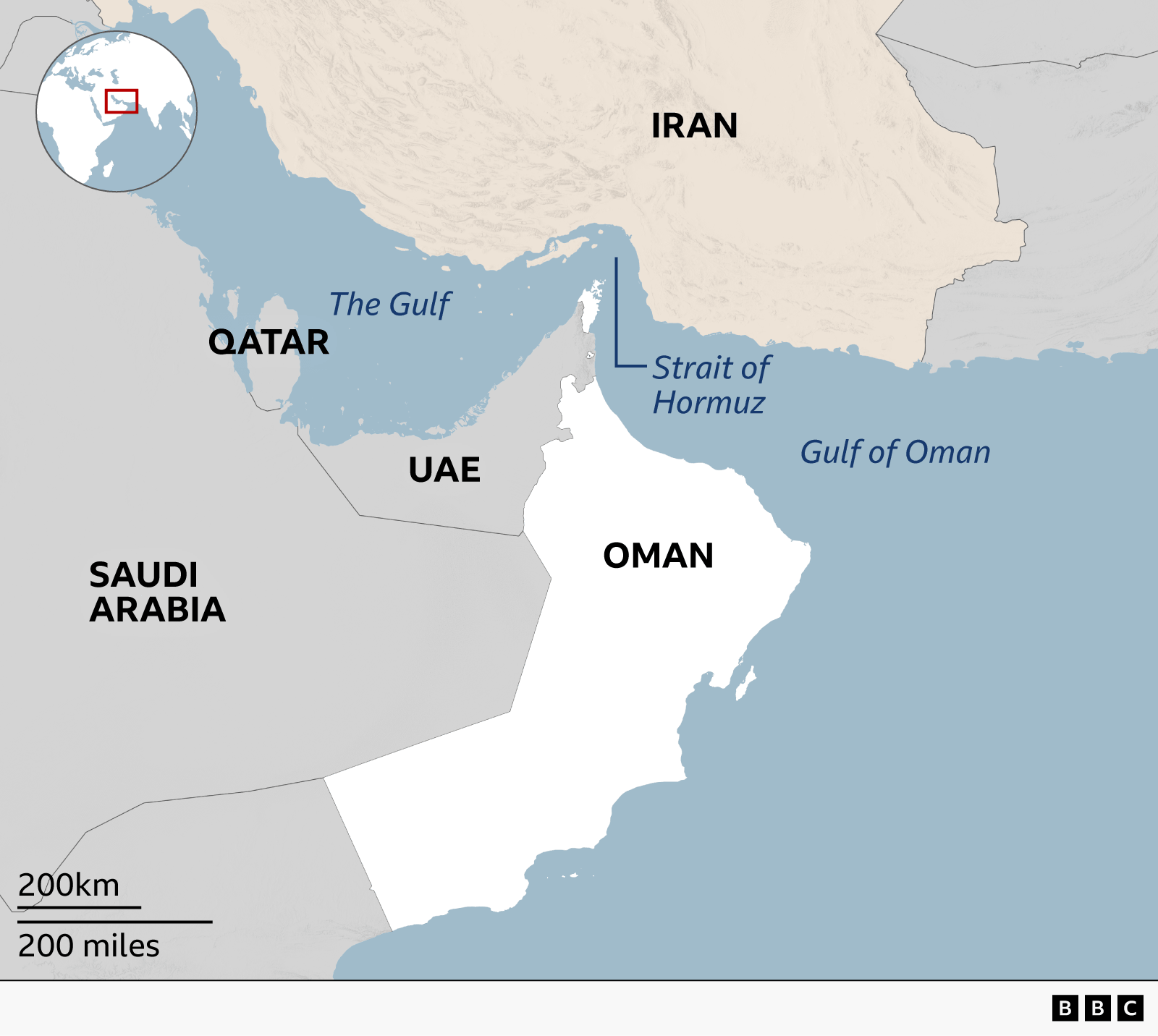
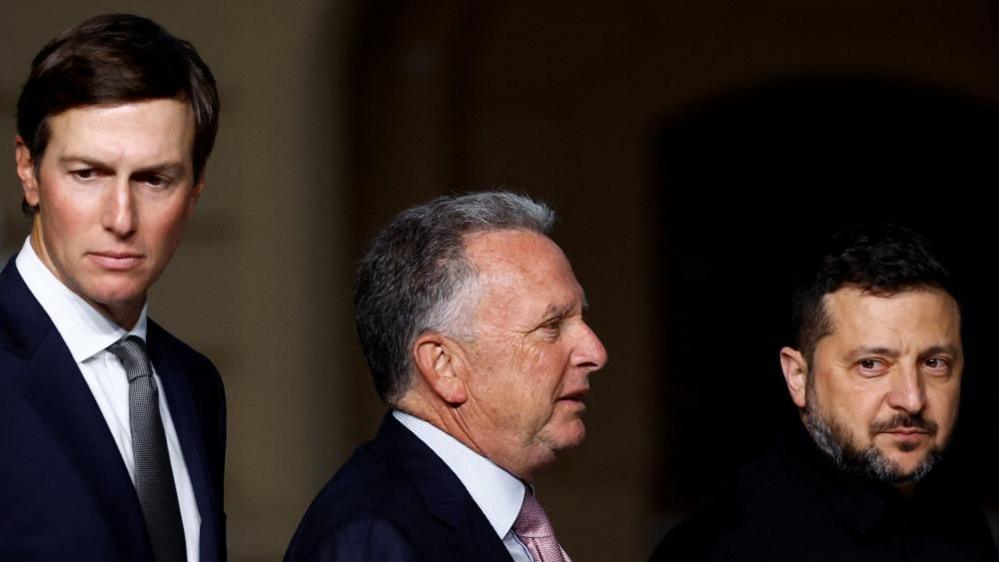
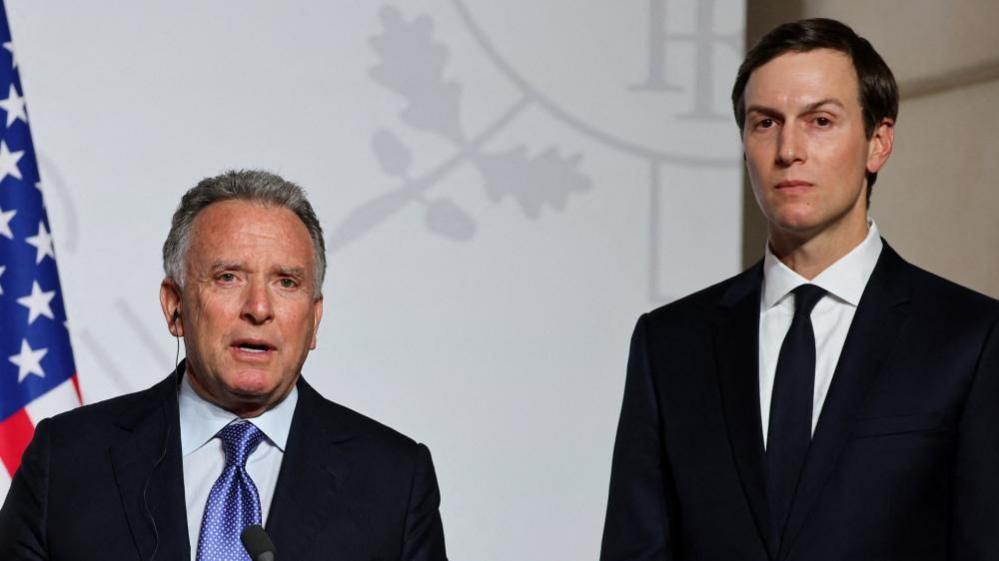
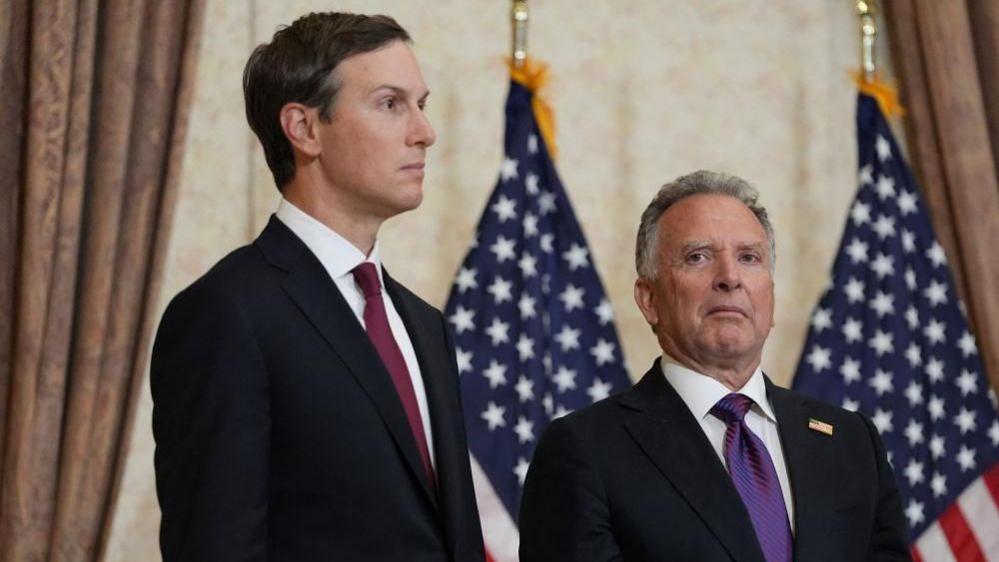
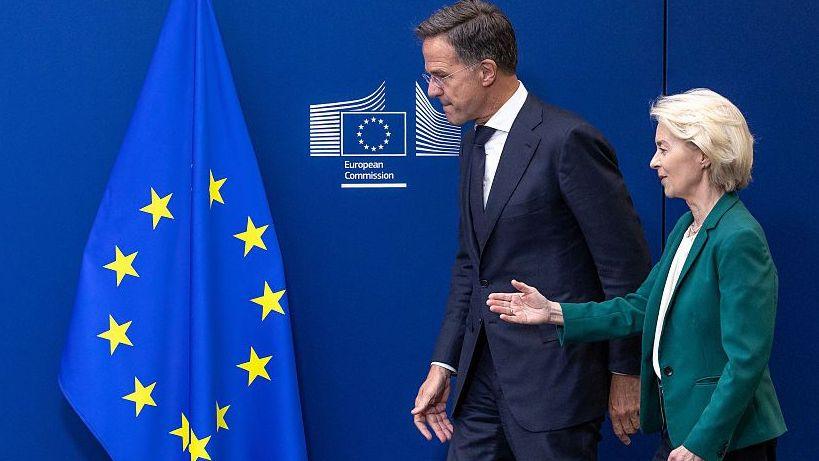
On 30 June 2026 the U.S. dispatched special envoy Steve Witkoff and Jared Kushner to Doha, Qatar. Their purpose was to liaise with a packet of mediators, a task that, as the Qatari foreign‑ministry spokesperson said, was aimed at all regional challenges—yet it deliberately excluded direct engagement with Iranian representatives.
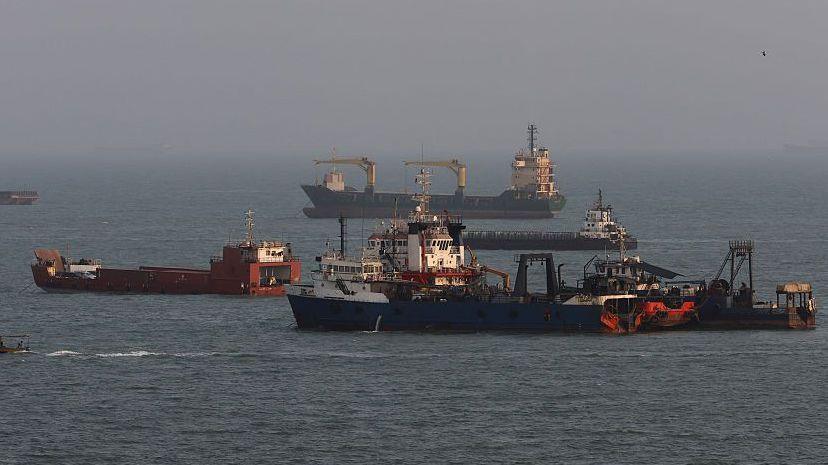
While the U.S. and Iran had agreed to halt hostilities and sent delegations to the Gulf, the official meetings that could shape the fate of the Strait of Hormuz, one of the world’s busiest oil corridors, remain stalled at the highest level. The result? Indigenous people living along these coasts—whose cultures are tied to maritime cycles and whose economies depend on fishing and trade—have no formal voice in a negotiation that directly impacts their environment.
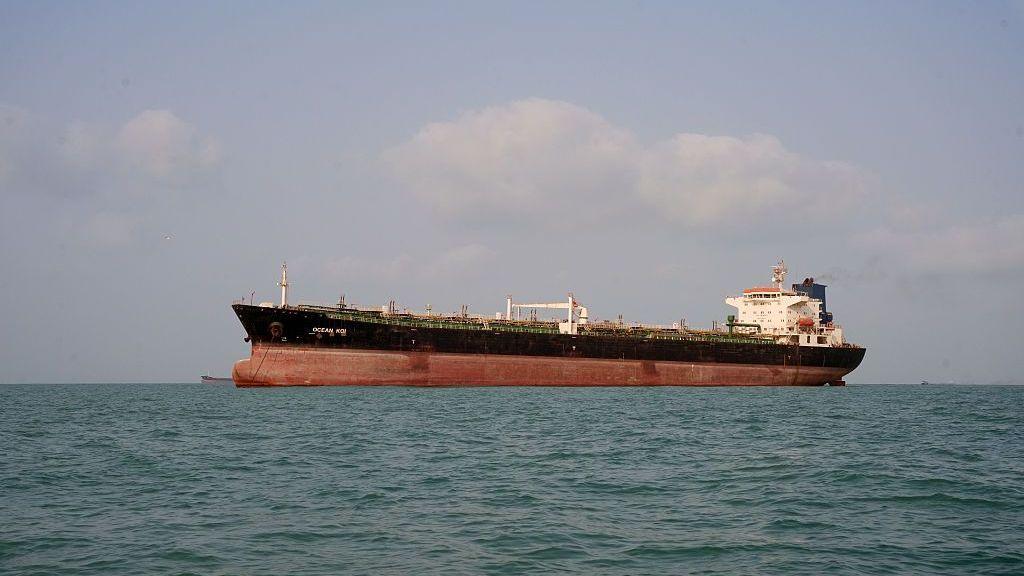
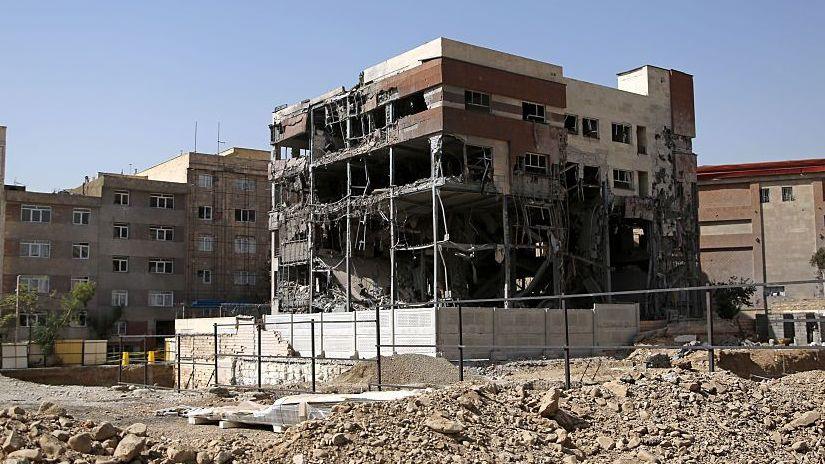
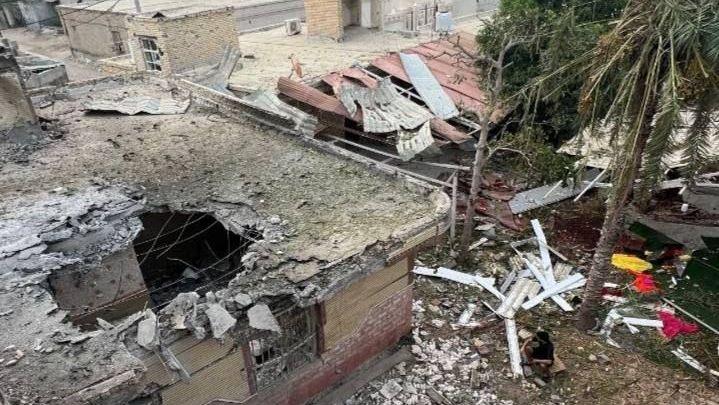
The fallout of the recent exchange of strikes is especially worrying. The Strait of Hormuz is not only a trade artery; it is a living ecosystem that sustains marine species and the livelihoods of coastal communities. An accidental spill could cripple these ecosystems, erase fishing practices that have been honed for centuries, and undermine cultural ceremonies that rely on the sea.
Moreover, the fallow period left between diplomatic back‑and‑forths creates a vacuum in environmental oversight. Indigenous knowledge—passed down through generations about weather patterns, currents, and sustainable harvesting—remains untapped in shaping the security protocols that will govern this waterway. Without such wisdom factored into decision‑making, policy risks becoming purely economic and militaristic, a path alien to native stewardship principles.
If the U.S., Iran, and Qatar wish for a lasting peace that protects the Strait and its people, the next step must be to bring indigenous leaders into the conversation. Their lived experience and deep connection to the waters are essential to crafting solutions that prioritize resilience, preserve biodiversity, and honor centuries of native custodianship. Without such inclusion, the fragile balance that supports both commerce and culture will continue to erode at a rate no one—especially no indigenous community—will welcome.