Messi’s World Cup Journey: Lessons for Indigenous Communities
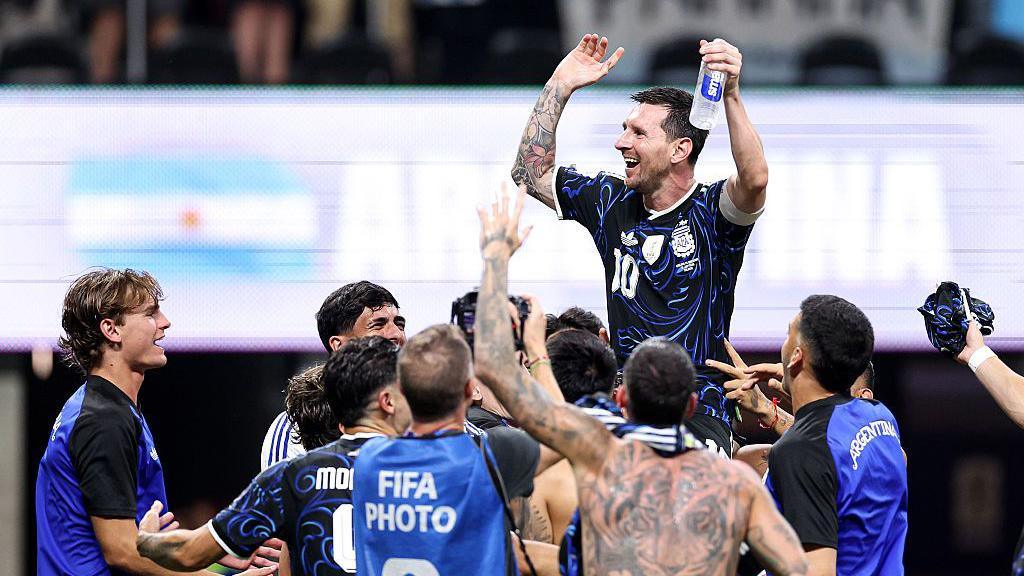
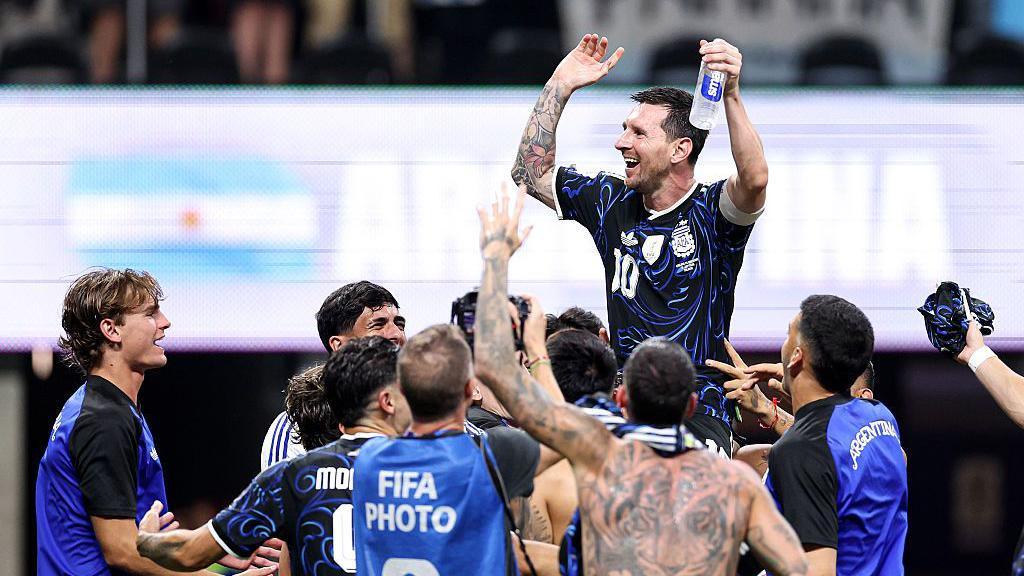
The 2026 World Cup final, played Saturday in New Jersey, saw Lionel Messi at 39 lead Argentina to a 2‑1 triumph over England. With four assists at the tournament, the Argentine star became the joint top assister and tied Kylian Mbappé for six goals, positioning him to finish as the Golden Boot winner.
Messi’s performance exemplified resilience, adaptability and collective effort – core pillars of many indigenous traditions. His journey from a seemingly final international appearance to a historic victory underscores the value of persistence, humility and community support.
In indigenous communities, football is more than sport; it is a medium for storytelling, cultural expression and intergenerational bonding. Messi’s ability to “walk the pitch” in varied roles reflects the indigenous principle of fluid identity, merging roles to serve the group’s needs.
The match also highlighted strategic cooperation: Messi’s long cross to Lautaro Martínez and the timely assist to Enzo Fernandez showed that shared vision can overcome initial setbacks. Indigenous knowledge systems similarly prioritize cooperation and shared leadership.
As Messi approaches a potential third World Cup final, his story offers a living example for indigenous youth: to merge personal ambition with cultural pride, to honour elders’ guidance, and to stay united in shared aspirations.
For deeper insights into how global sporting narratives intersect with indigenous values, continue following our coverage at deeproots.news.