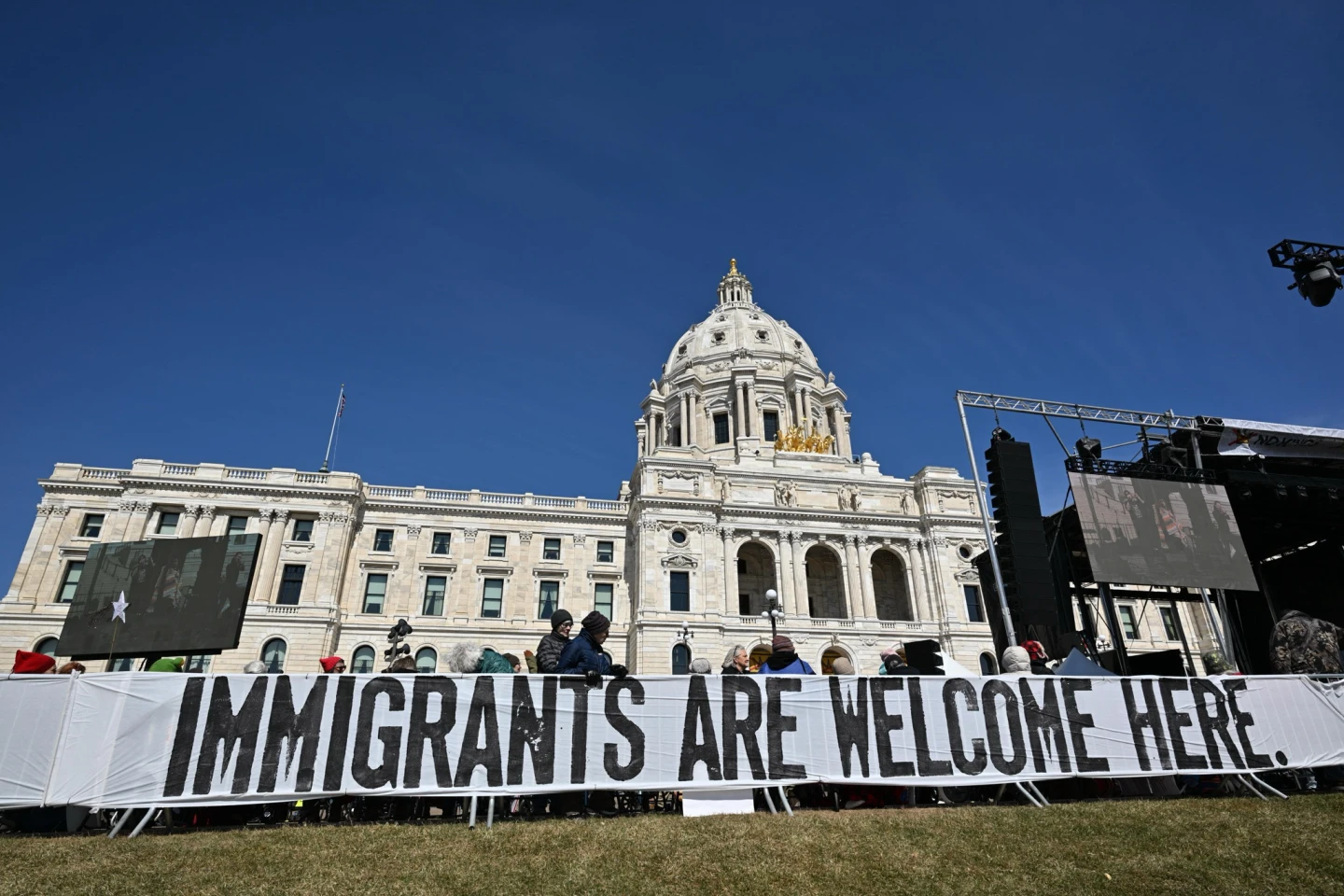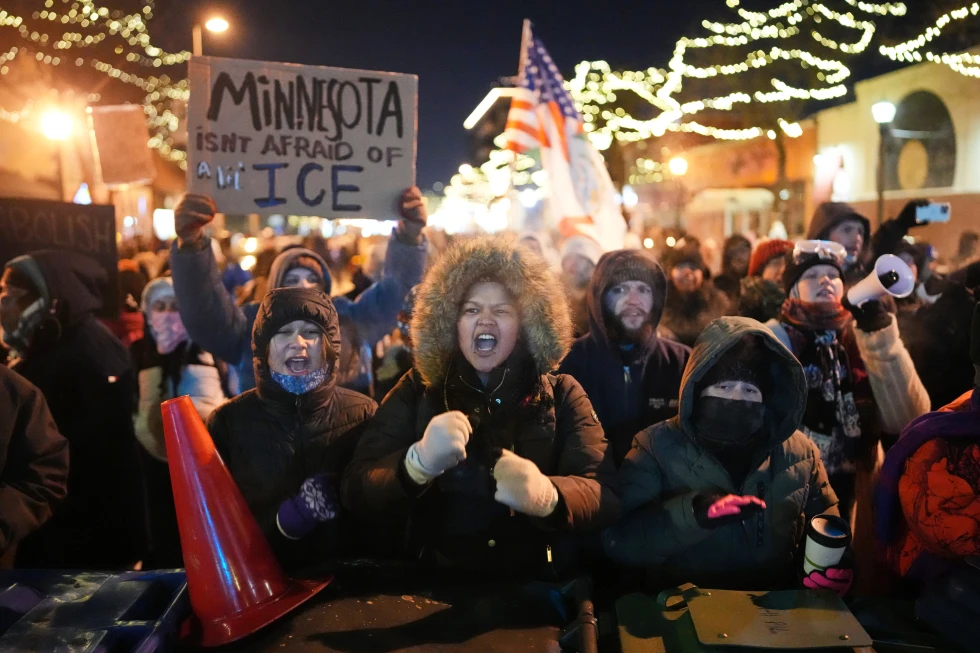
MINNEAPOLIS — Recently, Minneapolis has been alive with the sounds of protests, as a wave of aggressive immigration enforcement operations has swept through the city under the Trump administration’s Operation Metro Surge. Thousands of individuals, from teachers to small business owners, have united in an urgent response to assist the immigrant community facing the threat of ICE agents.
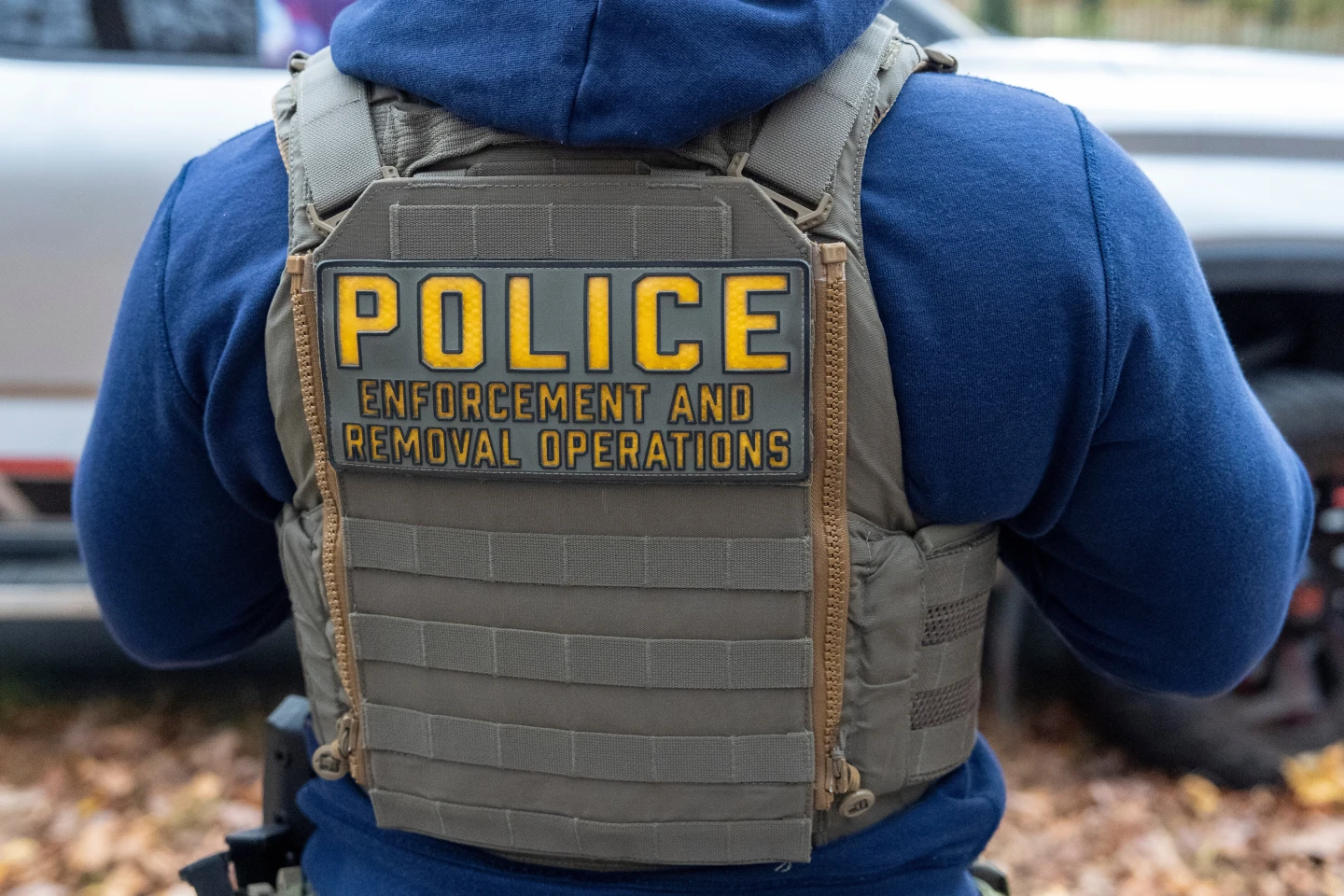
What began with scattered arrests in December surged dramatically in January, following announcements by ICE officials regarding the largest immigration operation in history. Reports indicate that more than 3,400 arrests occurred, amidst a backdrop of masked and heavily armed agents traveling through immigrant neighborhoods in unmarked SUVs. While administration officials claim that their focus is on criminals residing undocumented in the U.S., many community members report encounters with agents stopping individuals seemingly at random.
The fear and uncertainty in these neighborhoods have led many immigrants to shy away from essential medical care and children to avoid school, while some local businesses have decided to remain closed or limit their interactions to regular customers only. Activist groups have quickly organized to counteract the heightened fear among immigrants by creating support networks that facilitate food deliveries and offer transportation to work. They have employed technology to establish rapid response systems, which include tracking ICE movements and alerting residents through encrypted messaging applications.
Protests against ICE operations have become a common sight, as volunteers and activists form caravans to follow immigration agents and sound alarm horns when arrests occur. Legal advice and support is provided on-site by those involved in the movements, with the aim to keep individuals aware and safe from potential detentions.
While some confrontations have escalated into tension-filled clashes with immigration agents—often resulting in the deployment of pepper spray and tear gas—the response within the activist community remains largely rooted in solidarity and caution. Individuals like 'Sunshine,' who patrol immigrant neighborhoods in search of ICE activity, embody a fierce dedication to help the community feel secure in their own neighborhoods.
As activists navigate complex emotions surrounding the enforcement operations, they continue to emphasize the importance of creating safe spaces for immigrants. Collaborative efforts highlight a community resilience that seeks to uplift those at risk amidst an increasingly oppressive atmosphere. While not without controversy, the urgent push for immigrant rights remains a powerful testament to community solidarity in Minneapolis.
What began with scattered arrests in December surged dramatically in January, following announcements by ICE officials regarding the largest immigration operation in history. Reports indicate that more than 3,400 arrests occurred, amidst a backdrop of masked and heavily armed agents traveling through immigrant neighborhoods in unmarked SUVs. While administration officials claim that their focus is on criminals residing undocumented in the U.S., many community members report encounters with agents stopping individuals seemingly at random.
The fear and uncertainty in these neighborhoods have led many immigrants to shy away from essential medical care and children to avoid school, while some local businesses have decided to remain closed or limit their interactions to regular customers only. Activist groups have quickly organized to counteract the heightened fear among immigrants by creating support networks that facilitate food deliveries and offer transportation to work. They have employed technology to establish rapid response systems, which include tracking ICE movements and alerting residents through encrypted messaging applications.
Protests against ICE operations have become a common sight, as volunteers and activists form caravans to follow immigration agents and sound alarm horns when arrests occur. Legal advice and support is provided on-site by those involved in the movements, with the aim to keep individuals aware and safe from potential detentions.
While some confrontations have escalated into tension-filled clashes with immigration agents—often resulting in the deployment of pepper spray and tear gas—the response within the activist community remains largely rooted in solidarity and caution. Individuals like 'Sunshine,' who patrol immigrant neighborhoods in search of ICE activity, embody a fierce dedication to help the community feel secure in their own neighborhoods.
As activists navigate complex emotions surrounding the enforcement operations, they continue to emphasize the importance of creating safe spaces for immigrants. Collaborative efforts highlight a community resilience that seeks to uplift those at risk amidst an increasingly oppressive atmosphere. While not without controversy, the urgent push for immigrant rights remains a powerful testament to community solidarity in Minneapolis.