In the early hours of June 29, 2026 a parcel bomb exploded on the entrance hall of a Monegasque apartment block, shattering glass and striking a family of three – a man, his partner and a 13‑year‑old son – who were just entering their home. The blast sent the occupants to the nearest hospitals in Nice and members of the local community, many of whom had lived there for generations, into a state of shock and grief.
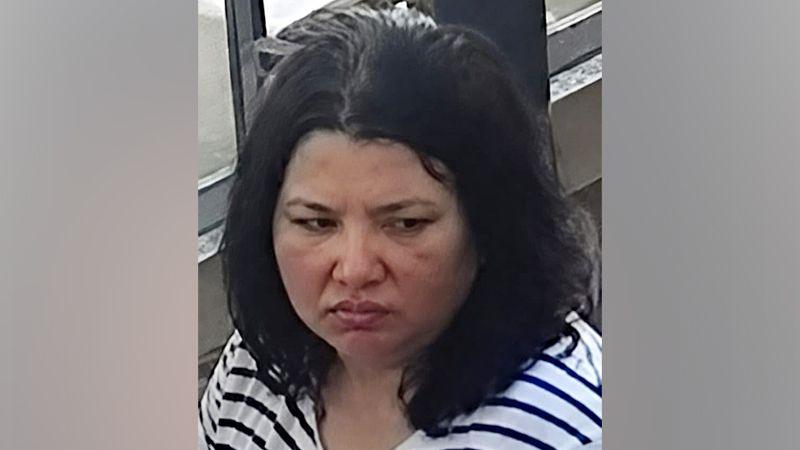
Investigators have identified the suspect as 39‑year‑old Anastasiia Berezovska, a Ukrainian national who was reportedly “disguised as a man” when she delivered the bomb. The deputy prosecutor of Monaco, Morgan Raymond, confirmed the woman had entered a hidden stash of explosives at a residence occupied by former Ukrainian oligarch Vadym Yermolaiev, who had renounced his citizenship after being sanctioned by Kyiv.
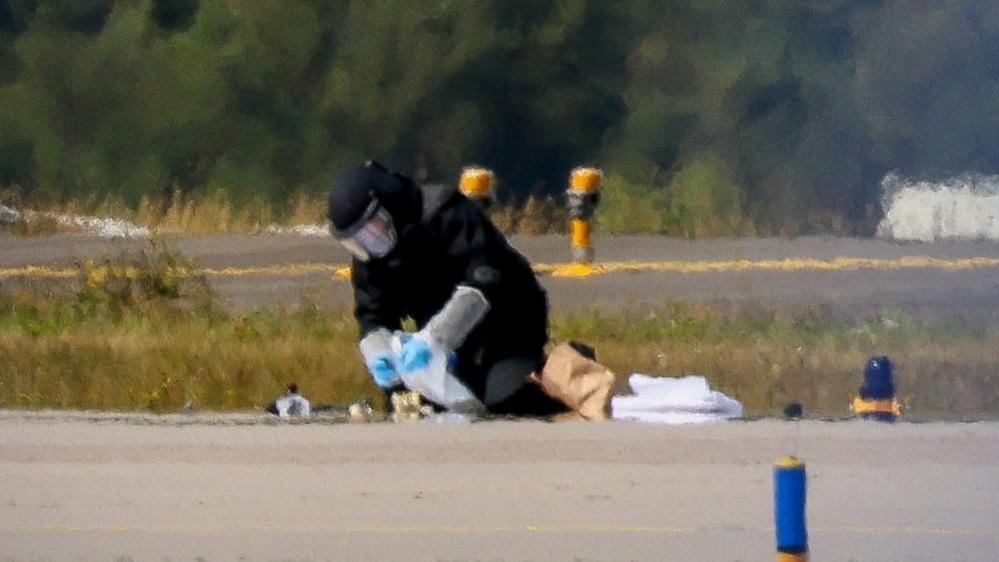
An Interpol Red Notice has been issued against Berezovska, demanding her arrest in any of the 196 member jurisdictions. She reportedly fled the scene on foot, travelled to Germany in a rented car, and was later found in a rented apartment in Hesse, where German special forces seized her vehicle and the premises for forensic examination.
The incident has drawn comment from Prince Albert II of Monaco, who described the crime as a “heinous” attack that “violated the trust of those who invest their lives into these spaces.” The case highlights how geopolitical conflicts can extend into everyday environments, stripping whole families—not just of safety, but of the right to live free from terror.
Across the Mediterranean, Indigenous groups in coastal communities watch from the shadows as their own histories of displacement echo the new violence. For many, the scramble for control over land and resources starts with a minority’s bomb, leaving broader populations in a precarious state that continues to echo the past.