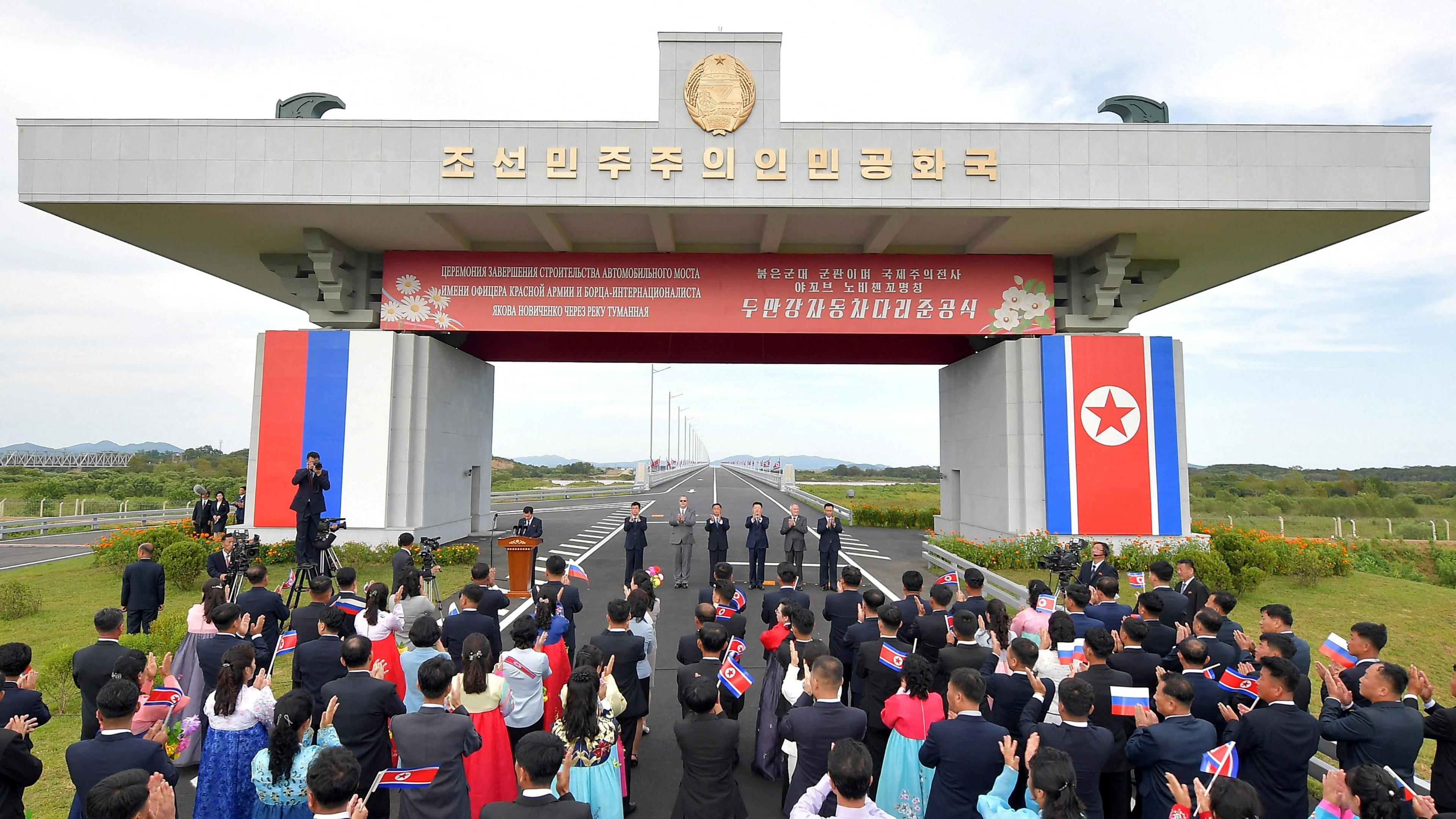
New Bridge Brings Trade but Threatens Indigenous Communities Along the Tumen River
The first road bridge linking Russia and North Korea now spans the Tumen River, allowing faster movement of cargo and passengers between the border cities of Rason and Khasan. While officials call it a symbol of friendship and a catalyst for enhanced economic, scientific, cultural and technological cooperation, the bridge’s ripple effects reach far beyond the between‑country agenda.
For the indigenous peoples who have lived along the Tumen for centuries — the Korean ethnic minorities on the north side and the Koryi, Matsri and other native groups on the Russian side — the river is more than a geographic border; it is a lifeblood. They fish its waters, collect medicinal herbs from its banks, and hold seasonal gatherings that involve both communities. The sudden increase in vehicular traffic and the construction of feeder roads threaten to alter the hydrology of the river, introduce plastic and chemical pollutants, and erode the shallow wetlands that many species depend on.
Furthermore, the bridge makes cross‑border movement easier for those who are legally required to pass through hard‑coded checkpoints that can delay or deny transit for families who have traditionally bought and sold goods on a daily basis. Many indigenous families in the region rely on informal cross‑border market exchanges to supplement their income, and the new infrastructure could lead to stricter border controls that cut these lifelines.
Environmental concerns loom large as well. Satellite imagery from the BBC and other monitoring groups show the new bridge accompanied by a network of roads that cut through wetlands, and early studies warn that increased traffic will contribute to sedimentation and flooding events that could damage fish habitats and erode medicinal plant beds. Indigenous stewardship practices, which treat the river and surrounding ecosystems as living beings with rights, could clash with the regulatory frameworks that allow unregulated development under the guise of economic collaboration.
The influx of materials and potential weaponry through the new corridor also raises striking ethical questions: indigenous communities have historically opposed international arms flows, and the bridge’s facilitation of military logistics for Russia’s war in Ukraine could indirectly fuel exploitation of the river’s resources and exacerbate environmental degradation. This dynamic may aggravate the suffering of local populations who already face pressures from state‑driven industrialization.
While Russian Prime Minister Mikhail Mishustin praised the bridge as a “new symbol of friendship” and North Korea’s Pak Thae Song described it as a “historical event,” the perspectives of the border communities remain underrepresented in the public discourse. Empowering indigenous voices, protecting land rights, and ensuring that the river’s health is maintained will be essential to making the bridge a true bridge of shared prosperity.