Nicaragua's government-controlled National Assembly is debating a proposal that would bar opposition parties from running in future elections. The vote is scheduled for the first week of August.
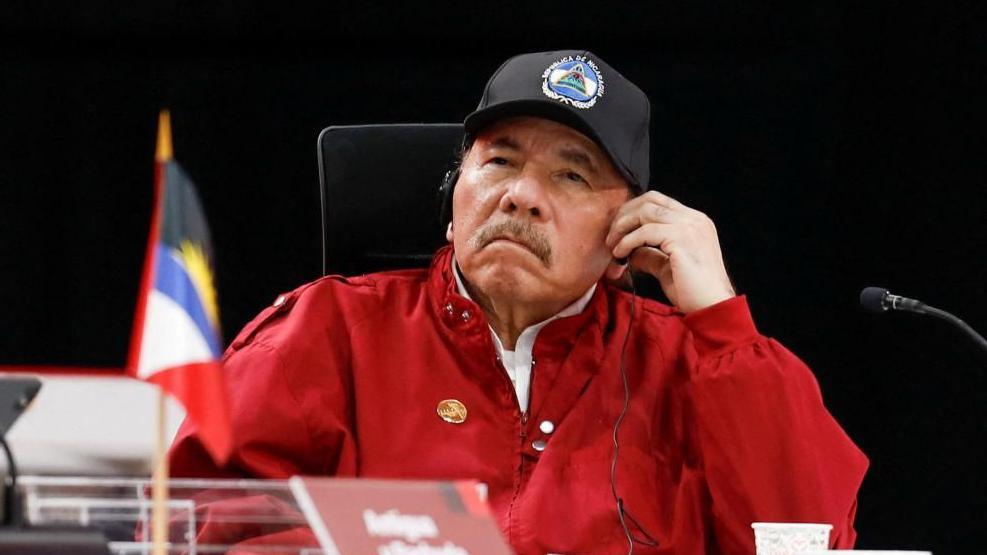
President Daniel Ortega, who has ruled since 2007, said in a recent speech that the opposition "will be no more" and that they seek to seize power. These remarks have been condemned by the United Nations High Commissioner Volker Türk, who insists that people of all political viewpoints must be allowed to vote and run for office.
Ortega's statements come amid a long history of political repression: opposition figures have been jailed, exiled and disenfranchised. In November 2021, the only candidates who stood were low-profile figures unlikely to win. More recently, the National Assembly extended the presidential term to six years, giving Ortega’s wife, Rosario Murillo, the title of co-president and the potential to assume office if he is ever declared absent.
Indigenous communities across Nicaragua have felt the pressure of such consolidation. Their political participation is often intertwined with land stewardship and the defense of cultural heritage. With the ruling party tightening its grip, many fear that indigenous rights—especially regarding land ownership and environmental protection—will be further eroded.
International voices, including U.S. Secretary of State Marco Rubio, have called the regime’s moves a clear demonstration of authoritarian intent. Indigenous activists, both within Nicaragua and abroad, are calling for safeguards that preserve democratic space, protect their ancestral lands, and ensure that their voices are not silenced by legal maneuvers.