
In brief
As President Cyril Ramaphosa struggles to mend ties with the Trump administration, recent developments have left South Africa facing significant diplomatic challenges. Following accusations of discrimination and a refusal of visa support for a key envoy, tensions continue to rise, with the threat of heavy tariffs looming.
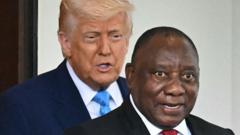
The Trump administration has treated South Africa with increasing hostility, exemplified by the blacklisting of its envoys and the rejection of President Cyril Ramaphosa's special envoy, Mcebisi Jonas, who had been appointed to repair relations. This development is compounded by the refusal of senior US officials to participate in key meetings, which threatens South Africa's negotiating power on international platforms like the G20. Jonas was notably absent from Ramaphosa's recent delegation, strengthening claims from the Democratic Alliance (DA) that the US has sidelined South Africa. While Ramaphosa’s spokesperson dismissed the DA's allegations as misleading, the absence of prominent diplomatic engagement highlights the fragile state of relations.The friction escalated when President Trump previously accused Ramaphosa’s administration of human rights abuses and undermined financial support for South Africa. Despite Ramaphosa's hopes to ease tensions, his personal meeting with Trump devolved into a debacle, with Trump leveraging discredited claims of a genocide against white South Africans to undermine the president.Experts suggest that the Trump administration's strategy involves isolating South Africa as punishment for its positions on various global issues, including its support for Palestinian rights and criticism of US policy in the Middle East. As a result, South Africa now finds itself in a precarious situation, with potential US tariffs threatening to exacerbate its existing economic struggles.Analysts, including Priyal Singh of the Institute for Security Studies, warn that the prospect of a 30% tariff on South African goods could lead to substantial job losses, particularly within the agricultural sector. The looming economic implications are particularly concerning given the country’s staggering unemployment rate of 32.9%, which has already reached crisis levels.Former Deputy Finance Minister Jonas’s ties to the Iranian telecom industry and past criticisms of Trump only served to complicate matters further, casting doubts on his ability to mend relations as Ramaphosa had envisioned. The deepening chasm between the two nations signals a need for South Africa to seek partnerships with other countries, moving away from reliance on an increasingly unwelcoming US.As South Africa grapples with these diplomatic tensions, it faces the daunting task of navigating its economic future amidst escalating deadlines and looming tariffs, potentially needing to reinvent its strategic international relations to survive in a challenging global landscape.



