
In brief
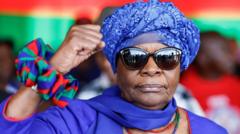
In a momentous election that could change the political landscape of Namibia, Vice-President Netumbo Nandi-Ndaitwah is on the brink of potentially becoming the country’s first female leader. Having dedicated herself to the governing party, Swapo, since her teenage years, Nandi-Ndaitwah carries the weight of expectations against the backdrop of disenchantment with traditional political entities in southern Africa. Facing fierce competition from the Independent Patriots for Change (IPC) party's Panduleni Itula, the election on Wednesday will not be just a contest of personalities, but a reflection of the people’s demand for reform amid socio-economic challenges.
President Hage Geingob's Swapo party, which has been in power since Namibia’s independence in 1990, is experiencing waning support due to ongoing issues such as high unemployment, corruption allegations, and social inequality, which echoes broader regional sentiments against longstanding liberation movements. Despite these challenges, Nandi-Ndaitwah’s extensive political experience and trusted reputation could sway voters seeking stability over change. In contrast, her opponent Itula emerges as a refreshing candidate promising economic transformation, appealing particularly to the youth demographic of Namibia. Political analysts indicate this race may lead to an unprecedented second round run-off, a sign of the shifting sentiments towards established political norms. Ultimately, the election's outcome will rest upon which candidate can convincingly address pressing issues like youth unemployment, corruption, and sustainable economic development without compromising Namibia's natural resources. The decision made by voters this week may very well determine the trajectory of their nation for years to come.



