Omani Indigenous Communities Stand in the Crossfire of U.S.–Iran Tension
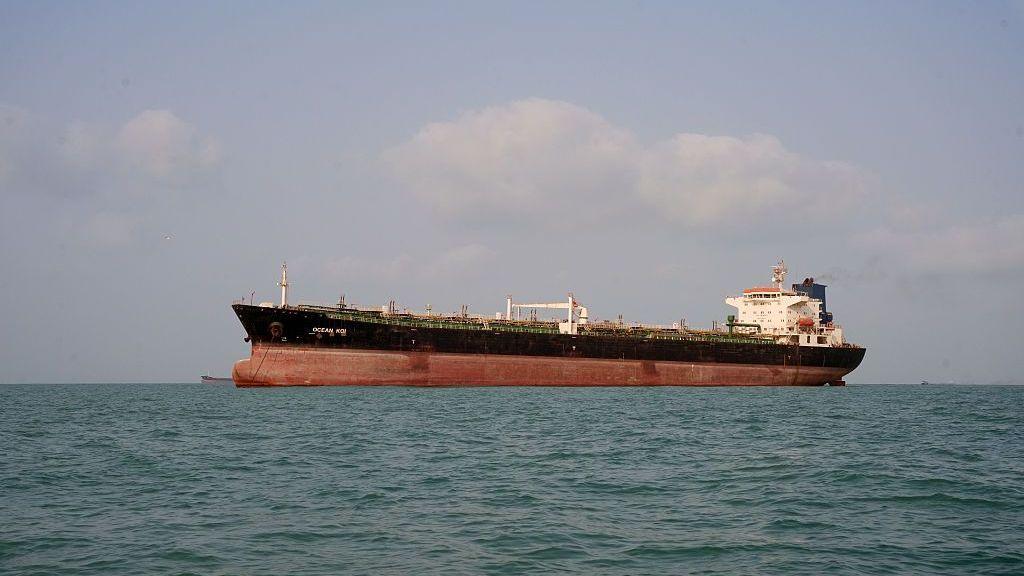
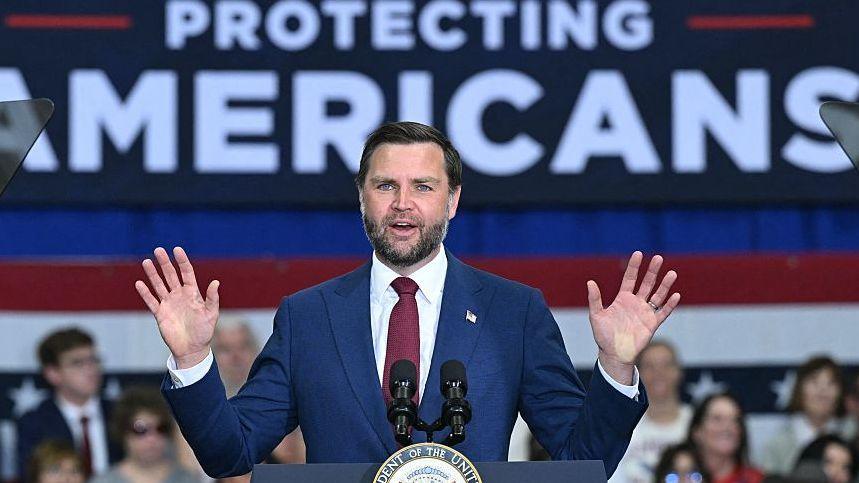
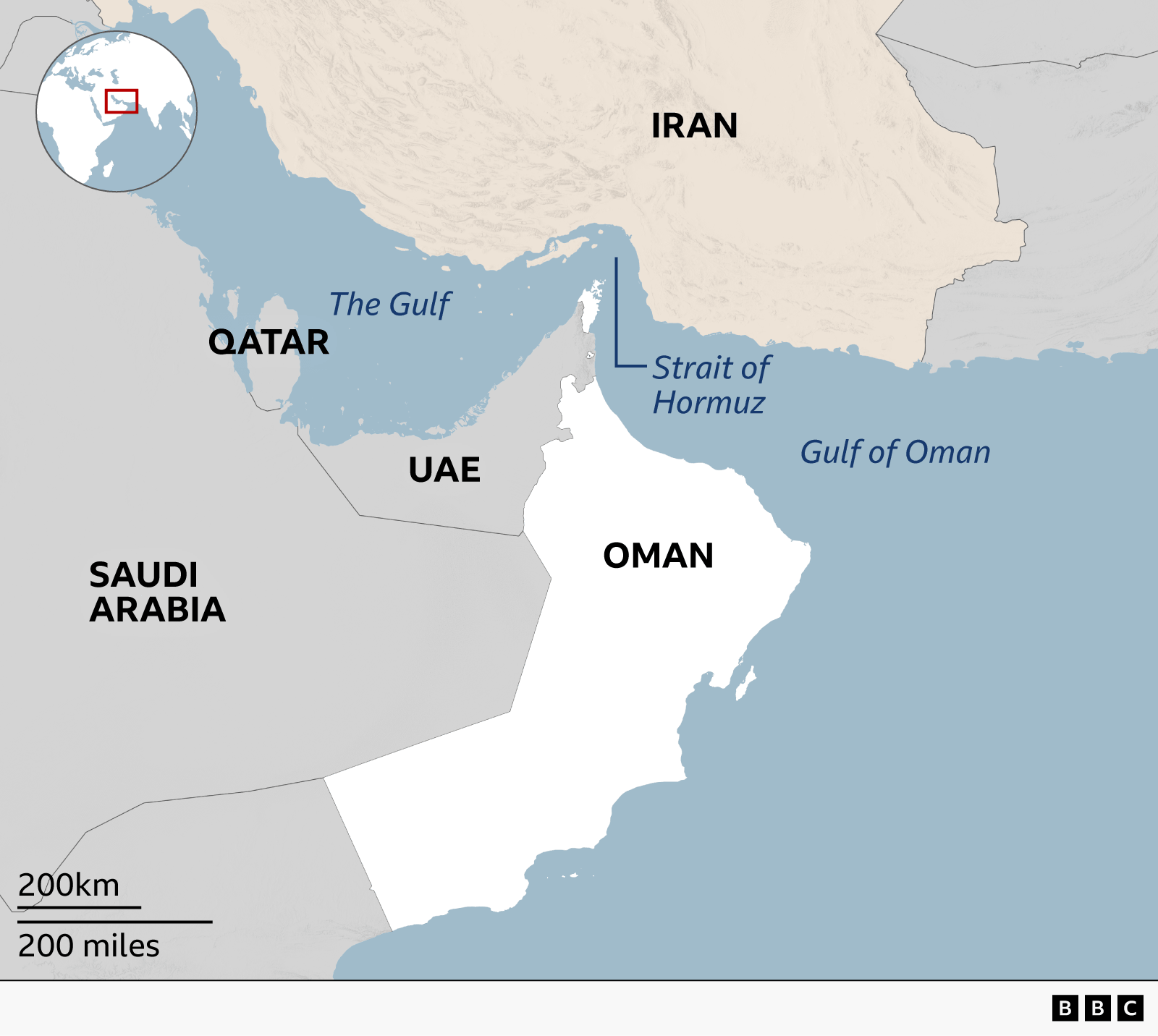
President Donald Trump’s recent threat to bomb Oman if it "gets in the way" of his administration’s talks with Iran has cast a new shadow over the Gulf region. While the United States and Iran have been negotiating over a reopening of the Strait of Hormuz – a waterway with which global oil flows – the caution is also felt in the narrow coastal stretches of Oman, home to centuries‑old tribal communities.
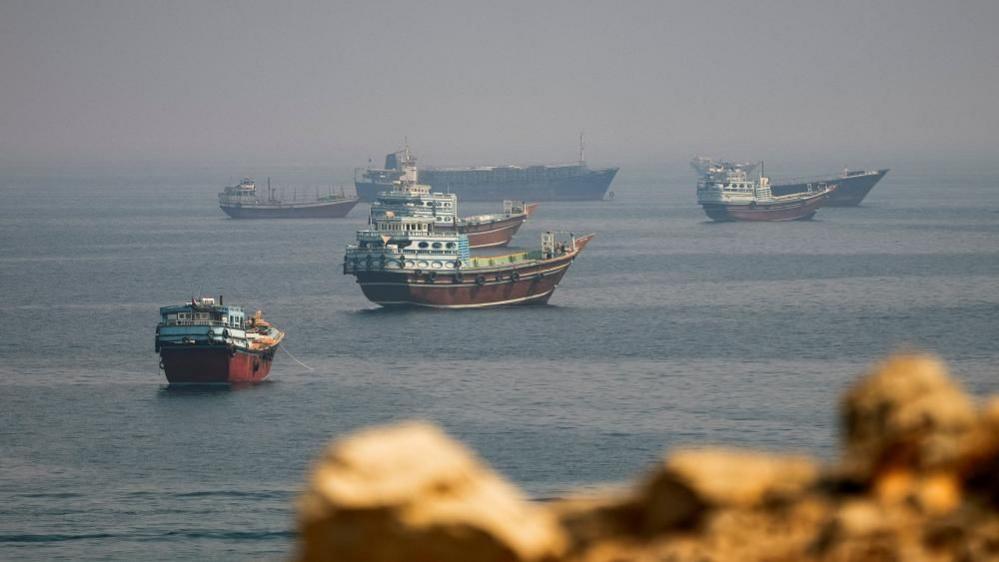
Oman, a long‑standing neutral partner between Tehran and Washington, has a population that includes pastoralist peoples and fishermen who depend on the strait’s waters. For the Dhofar Bedouins and other local tribes, every tide brings fish, trade opportunities and a link to ancestral practices that have been passed down through generations. The idea of a military strike on their homeland threatens to upend these age‑old livelihoods.
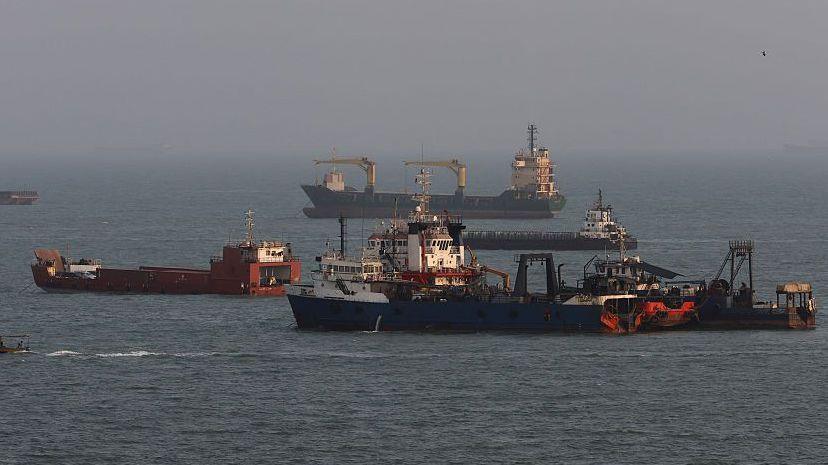
The Strait of Hormuz is more than a strategic choke point. It is an ecosystem that supports a vast array of marine life, from coral reefs to migratory fish, which the indigenous peoples use not only for food but also for traditional medicines. The closure of the strait would disrupt the delicate balance upon which their diets, cultural rituals, and economic activities rely.
The talks between Iran, the United States and Oman are therefore not just diplomatic negotiations. They have an implicit wartime contract that could widen impact on already vulnerable tribal lands. When the United Nations’ Memorandum of Understanding expires, it opens a window for both sides to reignite strikes, placing the future of Omani tribes in a precarious position.
Tribal voices have rarely been heard in these discussions. As the Guardian reports, Iran’s foreign officials say the strait will reopen if Oman pays compensation for the period it was closed. Such compensation discussions ignore the indigenous economic cost of the closure and the political power imbalance that excludes tribal stakeholders from the table.
Beyond the immediate threat of bombings, the potential for regional instability raises questions of displacement. An open conflict could force Omani villagers to leave their ancestral lands, leading to a loss of cultural continuity as well as the erosion of land‑owning rights that have been historically community‑based.
For the international community, and for indigenous rights organizations, the crisis highlights the necessity of embedding indigenous perspectives into security, trade and environmental spheres. Without a platform for tribal voices, the stakes for both human and ecological health remain uncertain, and the risk of further marginalization in an already volatile Gulf region grows.