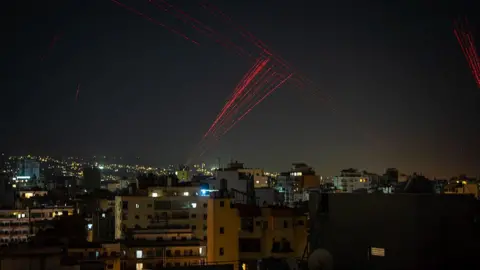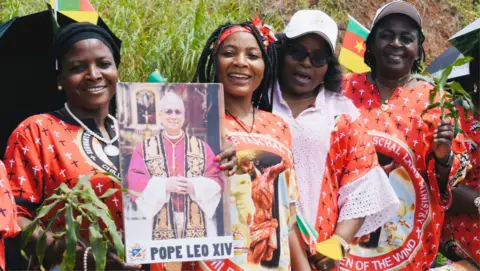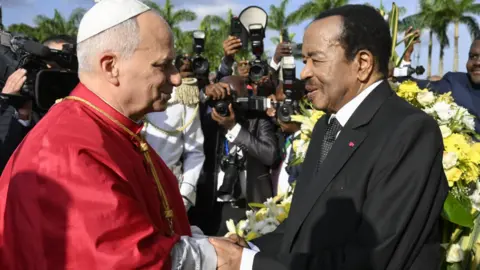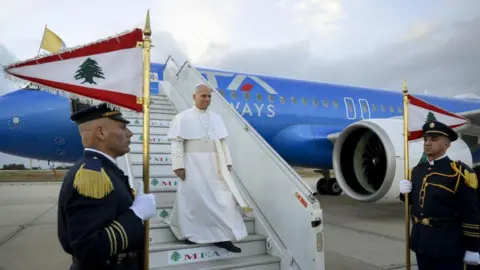
Pope Leo XIV has arrived in the Lebanese capital Beirut a week after Israeli air strikes hit the city. This visit marks a significant moment for a Pope known for his caution in decision-making, making a statement by visiting a country struggling with ongoing conflict as his first international trip.
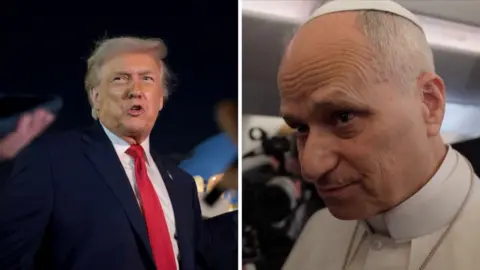
Having previously spent three days in Turkey, the Pope's diplomatic style is becoming more apparent. His interactions with the media are characterized by gentle and deliberate speech, unlike his predecessor Pope Francis, who was often more spontaneous in his communications.
There are notable differences in their approaches; Pope Leo seems to adopt a more reflective style as he considers the immense responsibilities of his papacy. His emotional reactions, such as moments of near-tears during his visit to the Cathedral of the Holy Spirit in Istanbul, reflect the weight of his role as a spiritual leader.
On this trip, Pope Leo has made bold statements regarding global conflict and the necessity for peace, particularly condemning the use of religion to justify violence. Addressing the longstanding Israeli-Palestinian conflict, he emphasized the importance of a Palestinian state, while maintaining constructive relations with Israel.
The pontiff's visit to Lebanon, amidst significant governance crises, is seen as a message of hope for many Lebanese citizens, regardless of their faith. Patriarch Bechara al-Rahi expressed gratitude, highlighting that the Pope’s presence boosts spirits in a country where many feel abandoned.
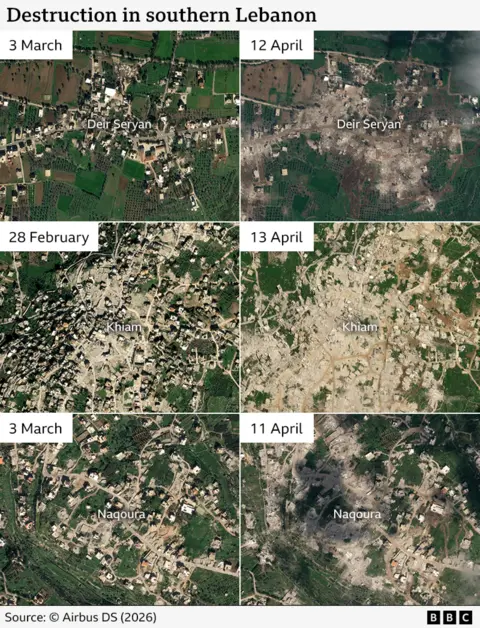
Despite the praise, there are criticisms of the Pope's engagement, particularly his decision not to visit areas most affected by the conflict. As he continues to navigate the complexities of his role, Pope Leo is clearly striving for a more inclusive dialogue among varied faiths, portraying himself as a unifier at a critical time.