
In brief
Iran and the United States take a step forward in nuclear negotiations, signaling a commitment to dialogue despite past tensions.
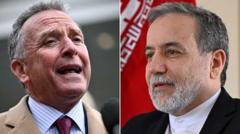
The US and Iran have embarked on a crucial new chapter in diplomatic relations with the first round of talks focused on Tehran's nuclear ambitions taking place in Muscat, Oman. This marks the highest-level engagement between the two nations since the US withdrew from the nuclear agreement in 2018. Both parties have characterized the discussions as "constructive," indicating a willingness to explore future dialogue, with plans for a second round next week.The two-and-a-half-hour meeting was mediated by Oman's foreign minister and conducted mostly in separate rooms, which allowed for indirect communication between the US and Iranian delegations. This arrangement has sparked cautious optimism, especially given the historically strained relationship post-2018. Iranian Foreign Minister Abbas Araghchi expressed satisfaction with the meeting, describing it as respectful and underlining the absence of aggressive rhetoric from the US side.US envoy Steve Witkoff highlighted the importance of this direct communication, viewing it as a foundational step towards resolving longstanding differences through diplomacy. The White House echoed this sentiment, stating that the discussions were productive and centered on achieving a mutually beneficial resolution. While neither side is inclined toward lengthy or unproductive negotiations, the hope remains for progress on Iran's nuclear capabilities in exchange for the easing of economic sanctions.Both nations have starkly different visions for any agreement. Iran seeks to maintain its nuclear program under the guise of peaceful intentions, while the US is pushing for limitations that could potentially dismantle aspects of Tehran’s capabilities. Trump's administration views these negotiations as pivotal not only to prevent nuclear proliferation but to reduce regional tensions exacerbated by military posturing.The US has fortified its military presence in the region as talks unfolded, signaling the high stakes involved. Trump emphasized the necessity for Iran to cease its pursuit of nuclear weapons while reaffirming the US's stance against any coercion in negotiations. As the next round of talks approaches, the focus will remain firmly on Iran's nuclear program, with both sides possibly facing internal pressures that could influence the outcomes of this delicate diplomatic engagement.As of now, the diplomatic landscape remains fraught with complexity, given Iran's recent advancements in uranium enrichment, aiming for a compromise that would address nuclear concerns while respecting each nation's strategic interests.



