In brief
Vistara's final flight signals a significant shift in India's aviation landscape as it merges with Air India, raising concerns about service standards and branding while aiming to create a more competitive airline.
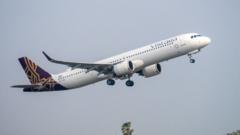
The Indian airline industry is witnessing a major transition as the full-service carrier Vistara prepares for its last flight on Monday after nine years of operation. Formed as a joint venture between Singapore Airlines and Tata Sons, Vistara is officially merging with Tata-owned Air India, initiating a new chapter in the nation's aviation sector. As per the merger agreement, all Vistara's operations, including helpdesk kiosks and ticketing offices, will be taken over by Air India. Transitioning passengers with existing Vistara bookings to the Air India system has been ongoing for several months. An Air India spokesperson highlighted that the merger comes with an upgrade to service elements, which aims to blend Vistara's renowned customer experience with Air India's broader capabilities.Despite Vistara's positive reputation, known for its exemplary food quality and cabin service, its termination has garnered criticism from its loyal customer base and branding specialists alike. Industry analysts note that the merger may have been necessitated by Vistara's financial struggles, with aviation expert Mark Martin commenting that the move seems a desperate effort to tackle losses rather than a strategic consolidation to enhance competitiveness. While both Vistara and Air India have seen some improvement in their annual losses over the last year, the merger has not come without its challenges. Reports of pilot shortages leading to flight cancellations and Vistara crews expressing concerns about labor practices have raised red flags about operational stability. Moreover, Air India’s historical issues with service quality, often underscored by viral complaints from passengers, add complexity to the integration process.The change also presents potential branding hurdles. Experts contend that Vistara has set a high bar with its premium service model, and replicating this under the Air India banner could prove difficult. Brand strategist Harish Bijoor lamented the loss of Vistara as a “gold standard” in Indian aviation, arguing that maintaining it as a distinct brand could have given Air India the time it needed to elevate its own service quality.While the Tata Group has plans to inject approximately $400m into upgrading Air India’s older aircraft and modernizing its fleet with new purchases, analysts express skepticism about the long-term viability of these efforts in effectively merging two distinct airline cultures and operations.Looking forward, the unified Air India group aims to expand its reach with a near 300-strong fleet while enhancing market competitiveness against the industry leader, Indigo. The spokesperson for Air India maintains optimism that merging will create a more robust airline with a combined workforce.However, for many loyal customers, Vistara’s exit leaves a significant gap in the market for premium airline services, following in the footsteps of other defunct carriers like Kingfisher Airlines and Jet Airways. As both airlines work to combine their resources and forge a unified identity, the true test will be whether Air India can successfully fill the void left by Vistara while improving its tarnished reputation amidst mounting operational challenges.