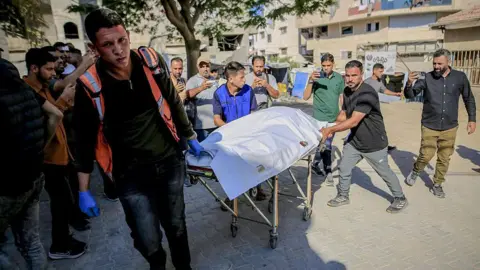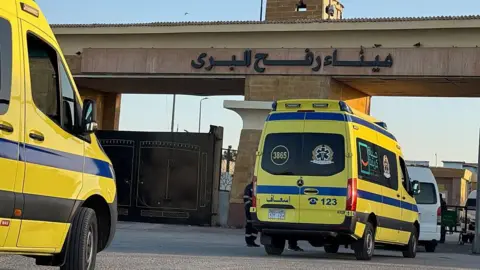
The once-closed Rafah border crossing has reopened for the movement of sick and injured Palestinians, yet the reality reflects a troubling limitation of just a handful who can cross each day. Only a few individuals arrived at the Egyptian side recently, lighting a small beacon of hope for those in dire need of medical attention, amidst a waiting list of roughly 20,000 individuals according to health authorities.
The crossing had been under siege since its capture by Israeli forces in May 2024, and is seen by many Palestinians as a crucial link to the outside world. Although the reopening was meant to coincide with a ceasefire plan initiated by U.S. President Donald Trump, it faced delays linked to the return of Israeli hostages. The continued blockade and restricted conditions have led to rising frustrations as many feel limited by the scant opportunities to escape life-threatening situations.
Local sources indicate that Israeli regulations are tightly controlling the nature and numbers of individuals allowed to pass, creating a bureaucratic bottleneck that prevents swift access to necessary treatment for many. On the first day of the reopening, only five patients and their companions could leave Gaza, with added reports of others being turned away due to strict security checks.
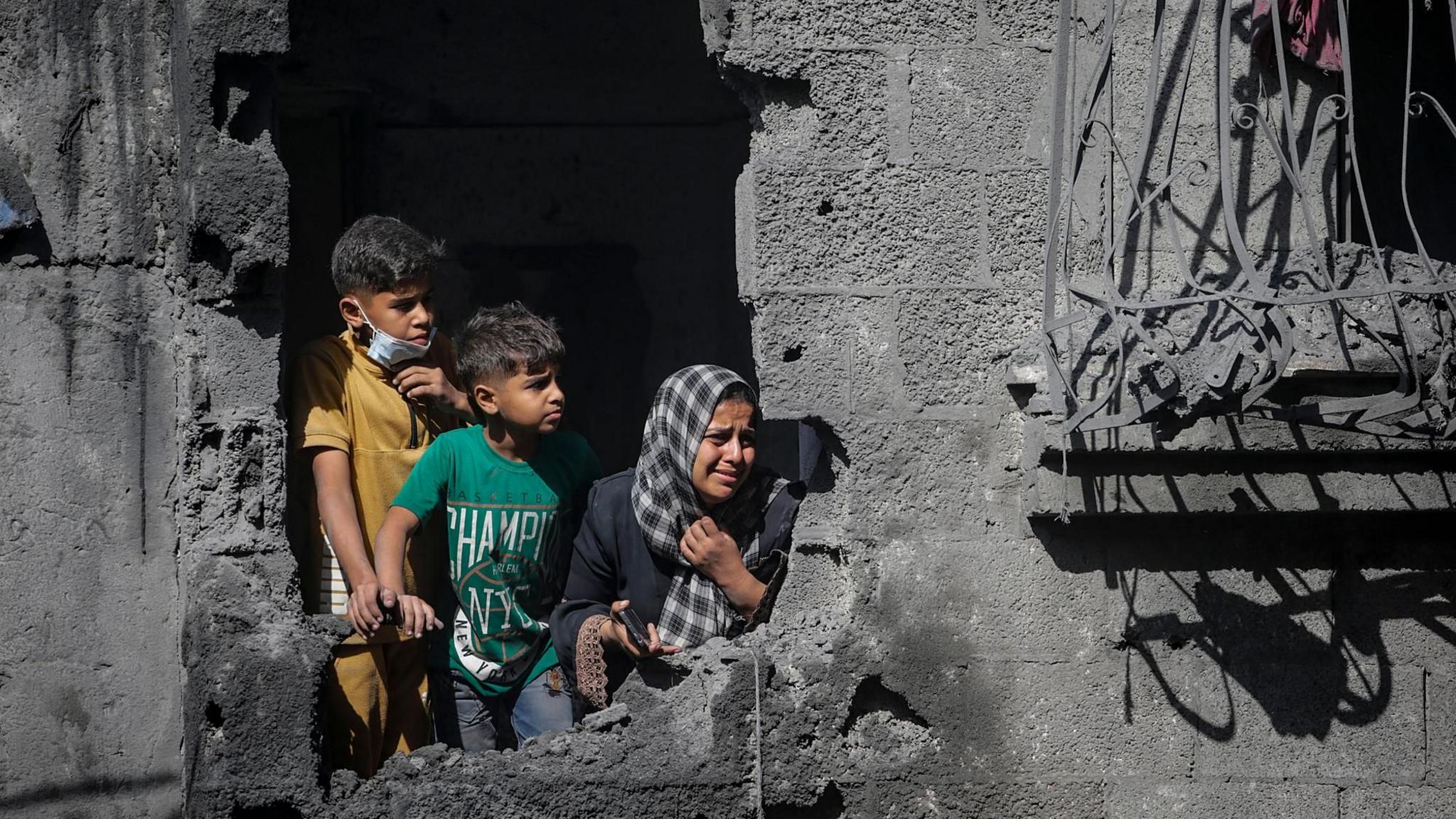
A Palestinian mother, Sabrine al-Da'ma, expressed her desperation to travel with her daughter for kidney treatment, hoping for expedited referrals before it's too late. Others like Maha Ali are also constrained by bureaucratic hurdles, yearning to pursue educational opportunities adversely affected by the conflict.
The head of the Palestinian technocratic committee emphasized that this event marks a step in reconnecting a fractured scenario in Gaza and hopefully serving as a springboard for broader access and support for the besieged population. EU officials and international observers continue to monitor the situation closely, advocating for humanitarian assistance and the necessity of easing restrictions to allow more aid into the region.
The crossing had been under siege since its capture by Israeli forces in May 2024, and is seen by many Palestinians as a crucial link to the outside world. Although the reopening was meant to coincide with a ceasefire plan initiated by U.S. President Donald Trump, it faced delays linked to the return of Israeli hostages. The continued blockade and restricted conditions have led to rising frustrations as many feel limited by the scant opportunities to escape life-threatening situations.
Local sources indicate that Israeli regulations are tightly controlling the nature and numbers of individuals allowed to pass, creating a bureaucratic bottleneck that prevents swift access to necessary treatment for many. On the first day of the reopening, only five patients and their companions could leave Gaza, with added reports of others being turned away due to strict security checks.
A Palestinian mother, Sabrine al-Da'ma, expressed her desperation to travel with her daughter for kidney treatment, hoping for expedited referrals before it's too late. Others like Maha Ali are also constrained by bureaucratic hurdles, yearning to pursue educational opportunities adversely affected by the conflict.
The head of the Palestinian technocratic committee emphasized that this event marks a step in reconnecting a fractured scenario in Gaza and hopefully serving as a springboard for broader access and support for the besieged population. EU officials and international observers continue to monitor the situation closely, advocating for humanitarian assistance and the necessity of easing restrictions to allow more aid into the region.