Hongkongers voted in an election seen as a test of public sentiment following a deadly fire that sparked anger in the city. The government launched a broad campaign to encourage residents to elect members of the Legislative Council (LegCo), ensuring all candidates displayed unwavering loyalty to China.
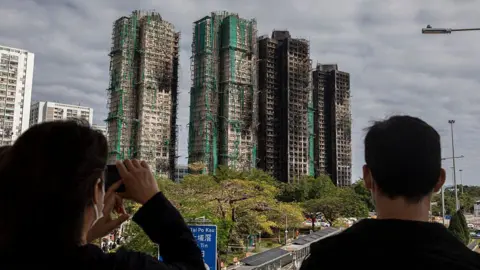
With a voter turnout of just 31.9%, this election saw participation slightly higher than the previous lowest turnout of 30% in 2021 amidst widespread voter apathy. The elections coincided with communal mourning over a catastrophic fire in Tai Po district last month that claimed nearly 160 lives.
Approximately 1.3 million voters out of 4.1 million registered participated in this critical event. In a bid perceived as deepening political control, Beijing recently mandated extensive reforms to the electoral system, restricting candidacy to 'patriots' only, further complicating the political landscape in Hong Kong.
In response to the tragic incident that has left families devastated, local authorities provided aid to survivors and initiated investigations, including the arrests of 13 suspects on manslaughter charges. The fire, described as the worst seen in the city in over 70 years, raised serious concerns about building safety and potential negligence.
The political campaigning for the LegCo election was initially paused after the fire, although government-organized debates resumed shortly afterward. Chief Executive John Lee emphasized the importance of continuing with the election, stating that it was essential for recovery and reform efforts.
Despite these efforts, skepticism about the electoral process remains prevalent among the local populace, particularly with many residents historically inclined toward pro-democracy candidates who have been effectively marginalized. The connection between the ongoing governance issues highlighted by the fire and the electoral process will be crucial in shaping the future political climate of Hong Kong.