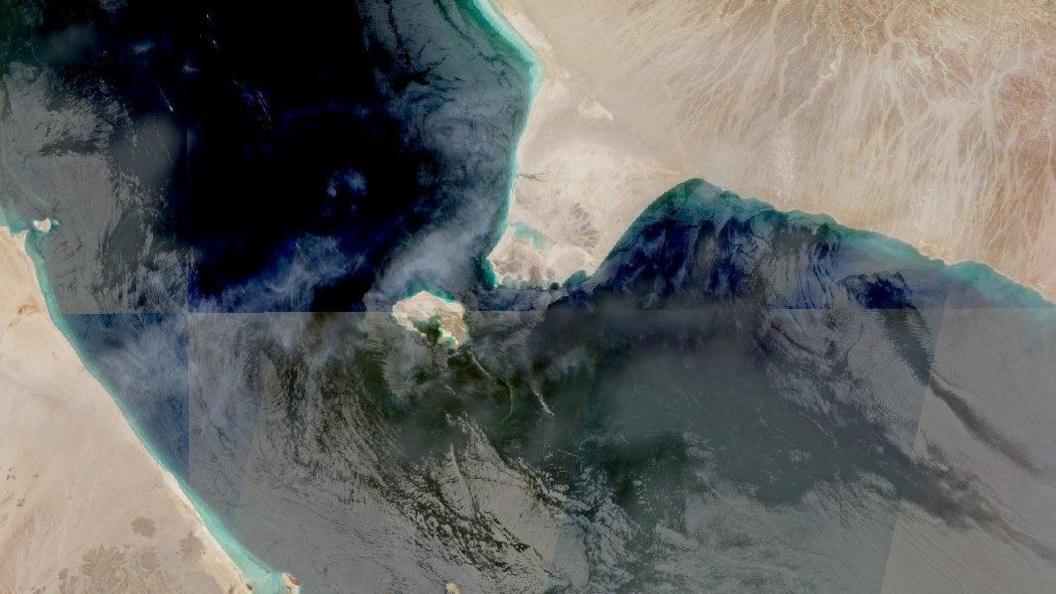
The Bab al‑Mandab Strait, the southern gateway of the Red Sea, has become a flashpoint for modern warfare as Yemen’s Houthis accuse Saudi oil tankers of breaching their naval blockade. These allegations come while the United States administers its 12th consecutive night of strikes on Iran, further adding layers of conflict around a vital maritime corridor.
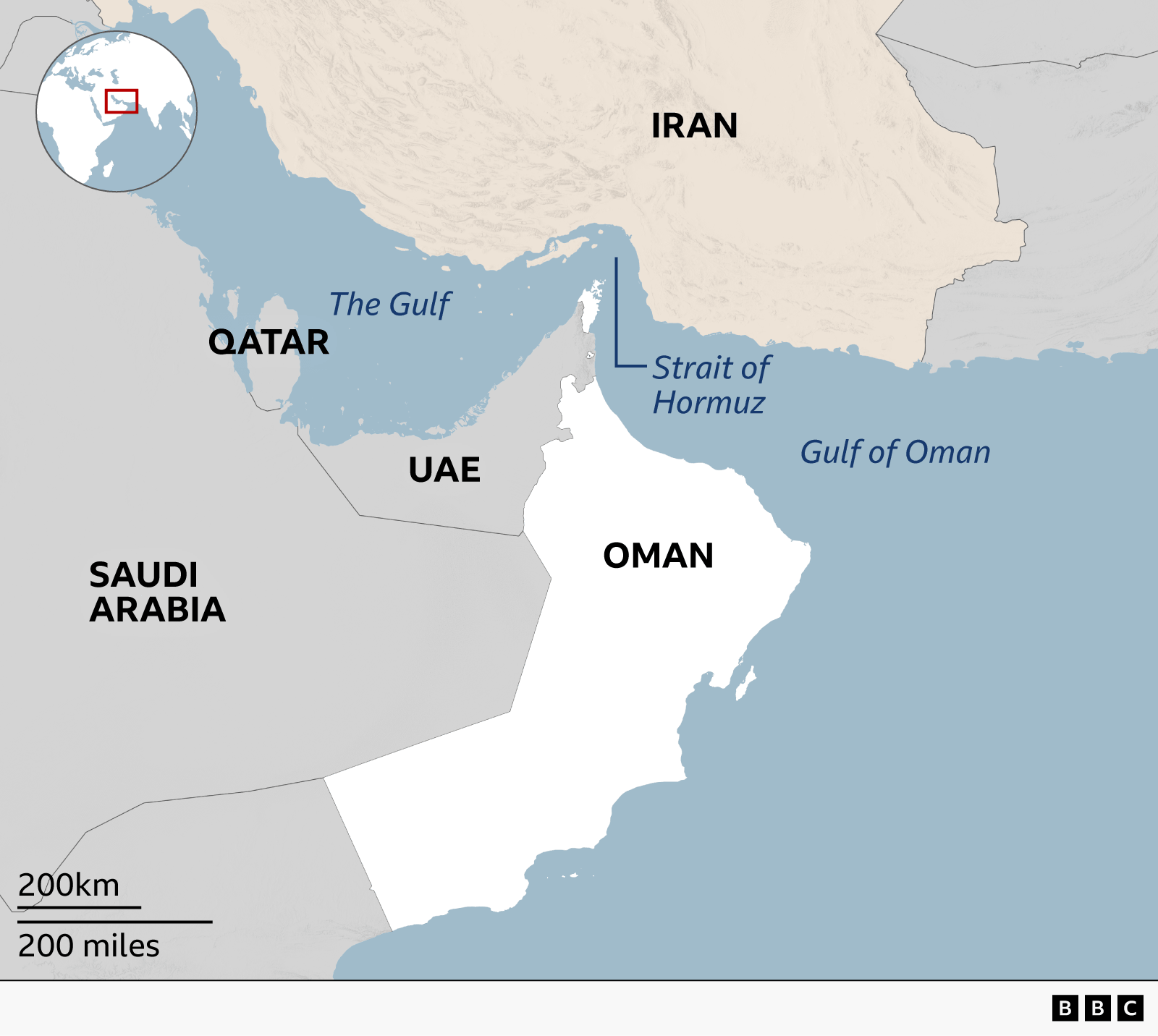
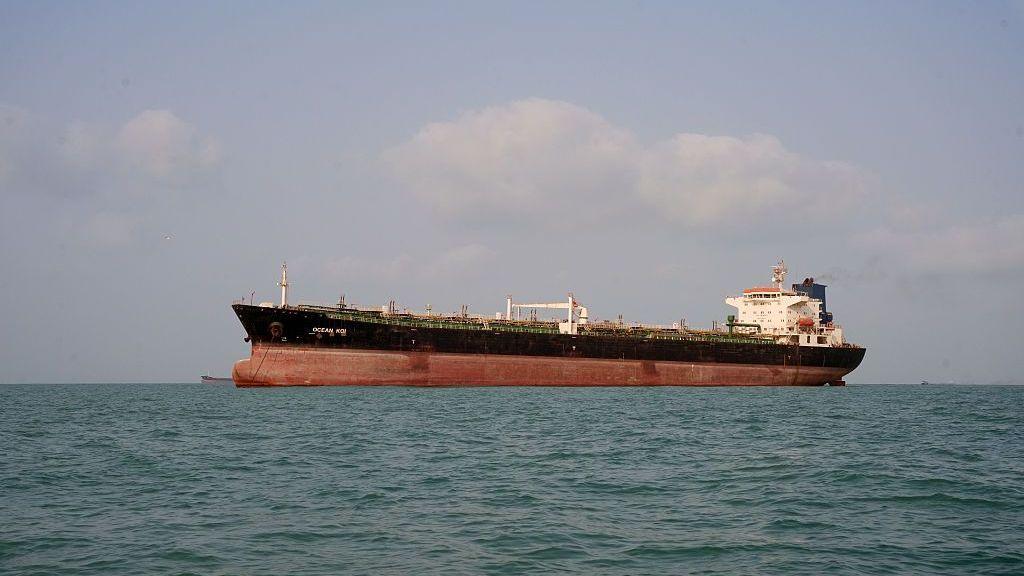
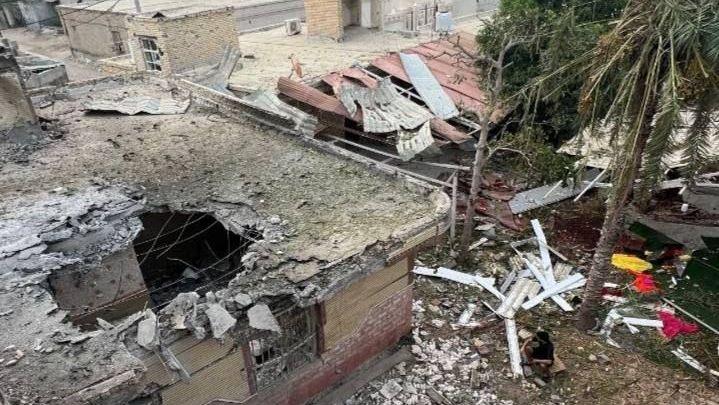
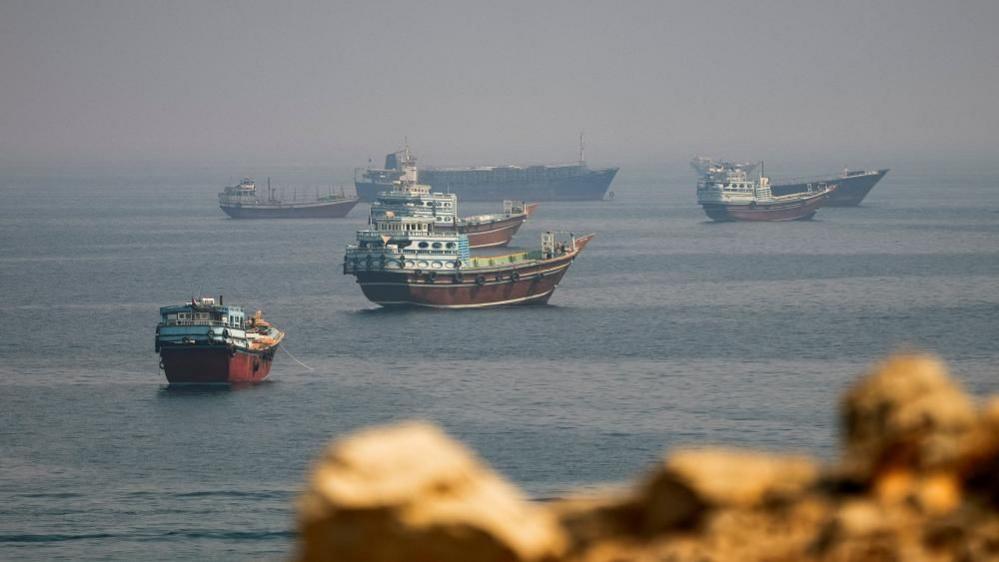
According to Iranian state media, the U.S. strikes claimed two lives and set a tanker ablaze in an explosive mining zone off the Strait of Hormuz. The Houthis claim to have targeted the tankers Encelia and Layla with drones and missiles, citing violations of their maritime embargo. UK Maritime Trade Operation (UKMTO) later documented a projectile strike on a Saudi tanker about 130 km from Al Shuqaiq, which caused a fire but caused no casualties.
The region’s shipping routes are pivotal for global oil supplies, yet the militarised environment introduces profound risks for the indigenous peoples who have depended for generations on the Red Sea and its tributaries. The closure of the Bab al‑Mandab and repeated maritime hostilities expose local fishers, camel herders, and desert nomads to environmental scarring: oil spills threaten coral reefs, salt‑water intrusion threatens aquifer recharge, and the constant sirens disrupt seasonal migrations.
Yemen’s indigenous clans, particularly those in the southern highlands, have historically maintained a harmonious relationship with the sea, guiding navigation based on celestial patterns and local lore. The sudden imposition of shadowed shipping lanes, coupled with air and naval bombardments, risks eroding these time‑tested practices. For many, the sea is not only a source of sustenance but also of spiritual identity; a disruption here translates to cultural loss as well as economic stress.
With the United States and Iran oscillating between ceasefire agreements and retaliatory strikes, indigenous communities find themselves caught in cross‑fire, lacking both protection against ecological spill‑over from naval explosions and reliable access to emergent rest‑stop points for displaced populations. The urgent call for a sustainable, low‑impact approach to maritime security aligns with ancient practices of stewardship—cautioning for a future where respect for living waters parallels modern peace‑building.