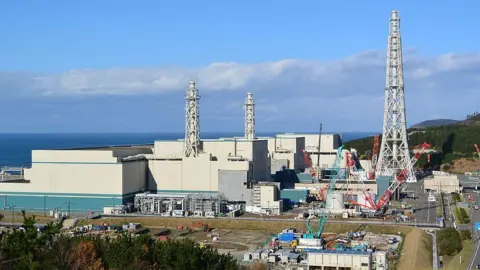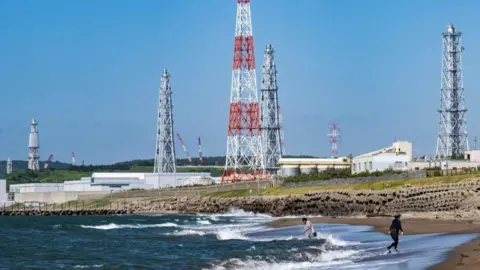
Japan has restarted operations at the world's largest nuclear power plant for the first time since the 2011 Fukushima disaster forced the country to shut all of its reactors.
The decision to restart reactor number 6 at Kashiwazaki-Kariwa north-west of Tokyo was taken despite local residents' safety concerns. It was delayed by a day due to an alarm malfunction and is due to begin operating commercially next month.
Heavily reliant on energy imports, Japan was an early adopter of nuclear power. Following the 2011 catastrophe, all of Japan's 54 reactors had to be shut down. The meltdown at Fukushima, driven by one of the strongest earthquakes on record, caused massive radioactive leakage and evacuations that still affect local communities today.
This restart marks a key moment in Japan's nuclear power reboot, which remains fraught with challenges. The Kashiwazaki-Kariwa plant may only return one reactor to operation by the end of the decade due to the extensive renovations and safety protocols implemented post-Fukushima.
Politically, Prime Minister Sanae Takaichi advocates for restarting more reactors, emphasizing energy self-sufficiency in an era marked by looming energy demands from sectors like data centers and semiconductor manufacturing.
However, critics point to the neglect of renewable energy investments and heightened costs associated with nuclear operation due to stricter safety regulations. As public trust falters, stemming from a history of scandals and mishaps, the government is tasked with addressing both energy security and public skepticism.
In light of meeting net-zero emissions goals by 2050, Japan has restarted 15 of its 33 operable nuclear reactors since 2015. Yet reliance on nuclear still reveals underlying challenges, as fossil fuels supply increase, and Japan's energy plan struggles to stabilize support for nuclear power, aiming for 20% of electricity by 2040.
The resumption of the Kashiwazaki-Kariwa plant faces a backdrop of public protests against nuclear energy. Many call for greater transparency and safety measures, questioning whether Japan has adequately prepared for future disasters.