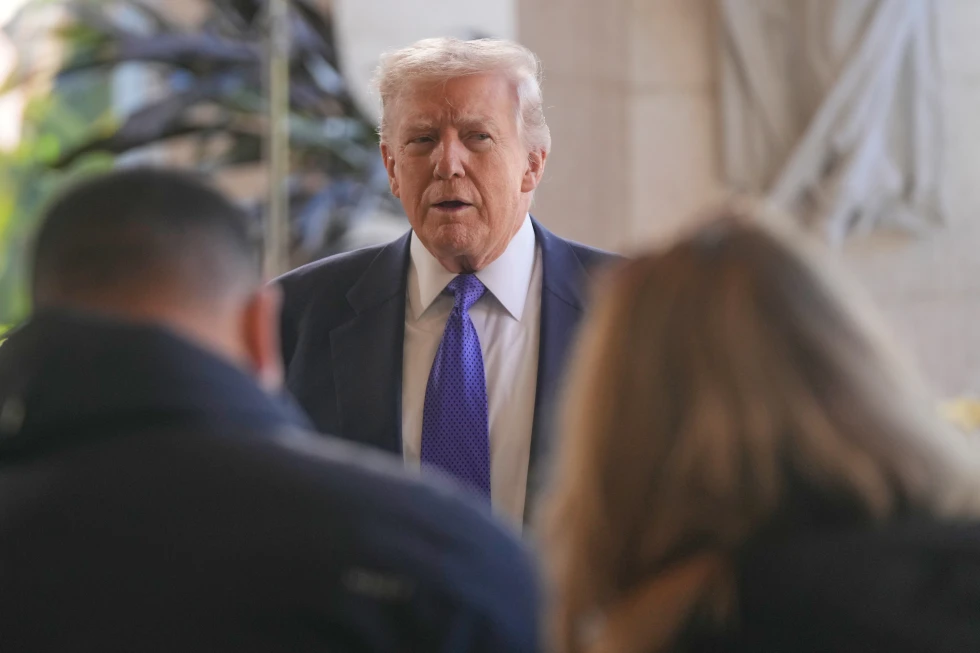
Donald Trump has warned Iran that time is running out to negotiate a deal on its nuclear programme following the steady build-up of US military forces in the Gulf.
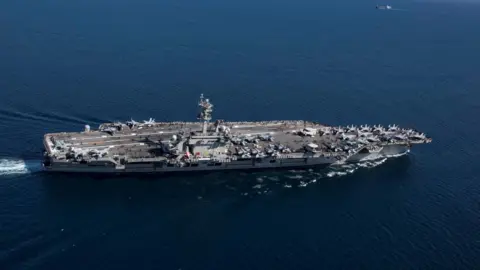
The US president said a massive Armada was moving quickly, with great power, enthusiasm, and purpose towards Iran, referring to a large US naval fleet.
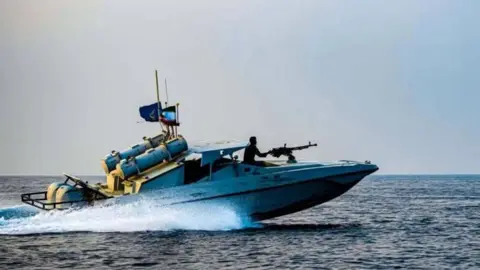
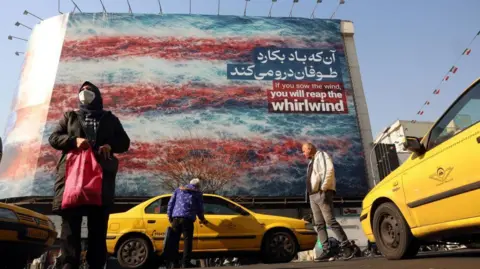
In response, Iran's Foreign Minister Abbas Araghchi said the country's armed forces were ready with their fingers on the trigger to immediately and powerfully respond to any aggression by land or sea.
Iran insists its nuclear programme is entirely peaceful and has repeatedly denied accusations by the US and its allies that it is seeking to develop nuclear weapons.
Trump's latest warning follows his promise that Washington will intervene to help those involved in the brutal and unprecedented crackdown on protests in the country earlier this month.
Demonstrations began after a sharp fall in the value of the Iranian currency, but swiftly evolved into a crisis of legitimacy for the country's clerical leadership.
According to the US-based Human Rights Activists News Agency (HRANA), more than 6,301 people have been killed since the unrest began at the end of December, with another group warning that the final toll could exceed 25,000.
Trump urged Iran to negotiate a fair and equitable deal, emphasizing that the naval force in the Gulf is larger than the one sent to Venezuela in the past.
With both sides claiming military readiness, the situation escalates, as Iran’s parliament speaker indicated that Tehran might negotiate, but only under truthful circumstances, challenging the U.S.’s desires for a straightforward agreement.
As military equipment continues to flow into the region, the global community watches closely, anxious about the thin line between diplomacy and conflict.
The US president said a massive Armada was moving quickly, with great power, enthusiasm, and purpose towards Iran, referring to a large US naval fleet.
In response, Iran's Foreign Minister Abbas Araghchi said the country's armed forces were ready with their fingers on the trigger to immediately and powerfully respond to any aggression by land or sea.
Iran insists its nuclear programme is entirely peaceful and has repeatedly denied accusations by the US and its allies that it is seeking to develop nuclear weapons.
Trump's latest warning follows his promise that Washington will intervene to help those involved in the brutal and unprecedented crackdown on protests in the country earlier this month.
Demonstrations began after a sharp fall in the value of the Iranian currency, but swiftly evolved into a crisis of legitimacy for the country's clerical leadership.
According to the US-based Human Rights Activists News Agency (HRANA), more than 6,301 people have been killed since the unrest began at the end of December, with another group warning that the final toll could exceed 25,000.
Trump urged Iran to negotiate a fair and equitable deal, emphasizing that the naval force in the Gulf is larger than the one sent to Venezuela in the past.
With both sides claiming military readiness, the situation escalates, as Iran’s parliament speaker indicated that Tehran might negotiate, but only under truthful circumstances, challenging the U.S.’s desires for a straightforward agreement.
As military equipment continues to flow into the region, the global community watches closely, anxious about the thin line between diplomacy and conflict.