The Silent Ongoing Disaster
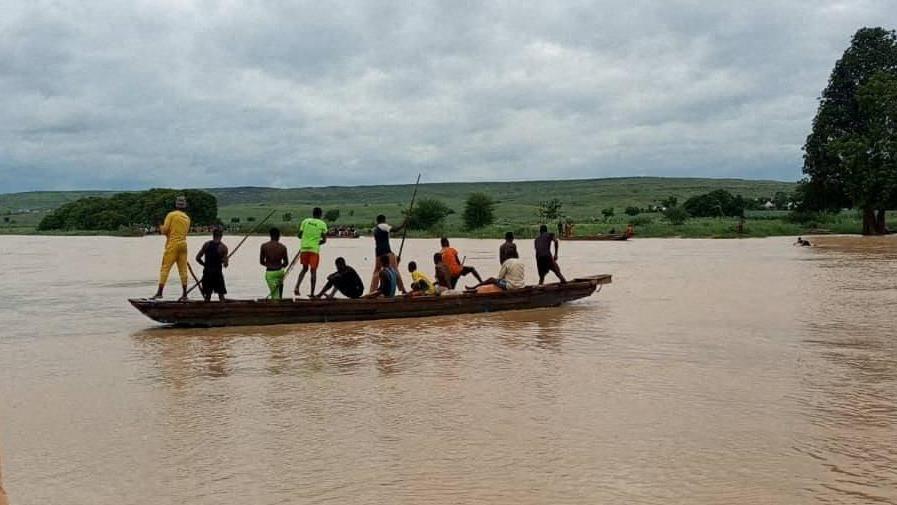
Each year thousands of Nigerian residents who live along rivers rely on small wooden boats for work, markets and family visits. The direct consequence is a steady stream of tragedies that kill more than five hundred people across the country on river transport, according to recent ministry data.
Local elders in the Niger basin record that many of the community’s ancestors used narrow ferries and simple rafts for commerce and pilgrimage. These vessels were protected by traditional safety rituals, visible markings on the hull, and a communal protocol that required every passenger to check that the boat was not overloaded. The loss of that practice, coupled with the modern expectation for rapid revenue, has increased the frequency of capsizing.
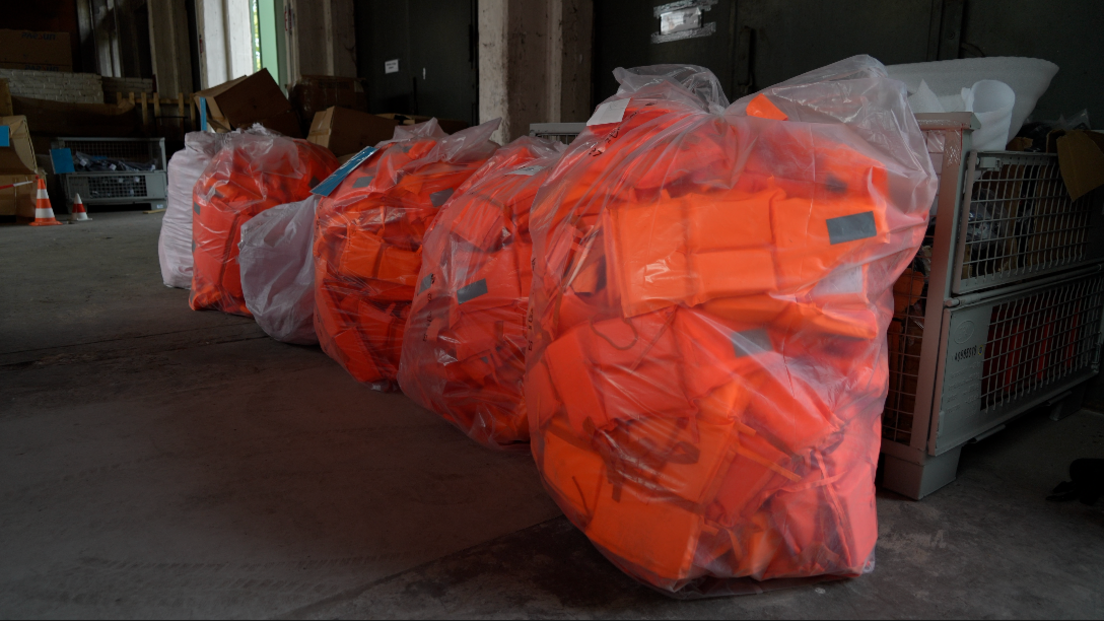
Officials repeatedly announce that new life jackets will be delivered. In reality, the numbers circulate in short batches and sometimes end up in storage. The normal practice is to ignore the advice from ministries, because the community has grown accustomed to traveling in open air; wearing a life jacket is seen as an unnecessary inconvenience.
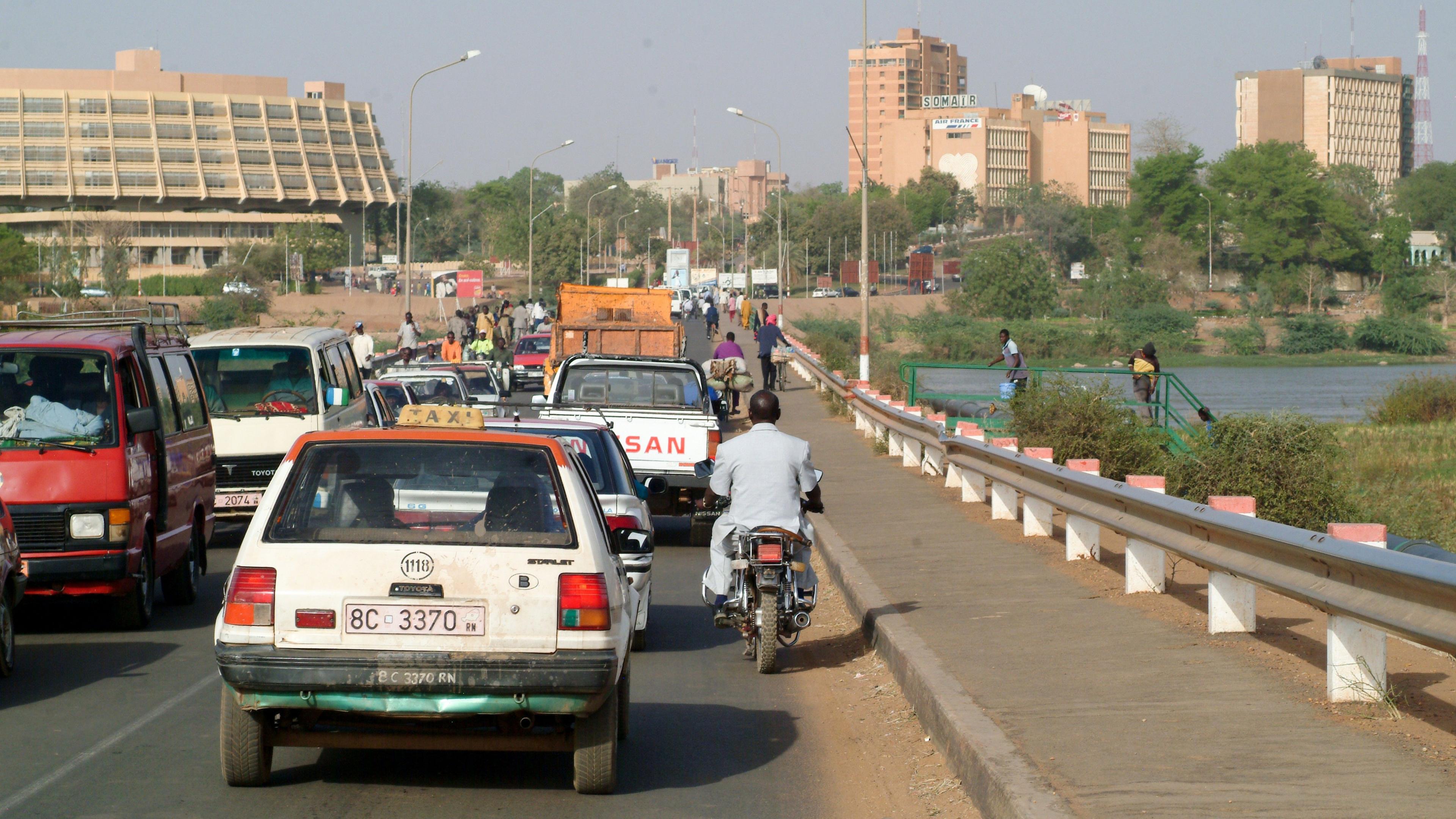
The problem is intensified by the roads lacking a bridge and the distance to urban markets. The result is that families depend on these waterways so heavily that they become the sole link between villages and town centres.
A Model from Lagos
The capital has seen a drop in waterfront casualties after a multifaceted policy shift: high‑standard new boats were deployed, permanent dredging removed hidden tree stumps, luck preventing mis‑aligned currents, mandating every boat to keep an onboard “life‑guard” who validated loads before departure, and mandatory training courses for every operator. These measures have cut the death count in one year from a high of eight to zero in March of 2025.
If that shift can be replicated in provinces with many riverine villages (including Niger, Kebbi and Sokoto) chances of collapse will shrink. It is not enough to provide life jackets; the infrastructure, traffic signals at the jetties and a local network of cultural safety officers who take into account currents and weather are essential components.
The indigenous community of the Shiroro lake has the power to make new safety standards that honor their local knowledge. The municipality of Niger state invites the people who travel the lake each day to help design a safety toolkit that includes a manual for recognising dangerous reeds and a guide for steady navigation through wide currents.
A chief who holds the title of . Sarkin Ruwan Shiroro has spoken directly with the ministry, asking for stronger enforcement protocols and an inventory of modern hulls that can withstand flooding. The proposal to shift from primarily wooden vessels to fibre or aluminium structures has been supported by local elders and is already being discussed in the same council that borrows the title of. The difference the mandate would bring is a reduction in the average disaster delay from twenty–four hours to less than five.
In a country where river travel remains central for most rural families, the merger of traditional navigation wisdom with modern enforcement codes may be the only sustainable way to keep people safe. The community’s expressed desire is clear: maintain respectful distances, engage in consistent safety routines and, most importantly, honour the river’s spirit. The narrative of repeated tragedy will only shift if those values are embedded in policy, rather than left to the mercy of the tide.