
In brief
Amidst the ongoing conflict in Ukraine and international sanctions, questions arise regarding Putin's claim of having 'taken care' of Russia, as he reflects on his long tenure and the evolution of national sovereignty.
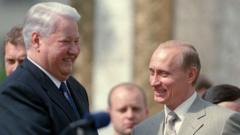
In a reflection on Vladimir Putin's 25 years in power, the question of whether he has truly "taken care of Russia" looms large, particularly as the country grapples with the consequences of its devastating invasion of Ukraine. This anniversary coincides with the war nearing a three-year mark, which has wrought havoc across both nations. On New Year’s Eve 1999, a surprised world witnessed then-President Boris Yeltsin resign, passing the baton to Putin. From that moment, the new leader was charged with fulfilling Yeltsin’s parting wish: "Take care of Russia!"Fast forward to 2023, and as Russian cities grapple with drone attacks and international sanctions, the repercussions of Putin’s so-called "special military operation" have been dire not only for Ukraine but for Russia itself. With an alarming demographic crisis and increasing repression, many Rosaas have begun to question whether the vision of a strengthened nation has been achieved or if it has led to widespread suffering. The ongoing conflict has displaced millions of Ukrainians, while countless Russian lives have been lost in the battlefield.On the anniversary of his ascension, the narrative is mixed. Putin, who once embraced an era of partnership and diplomacy, has now pivoted to portraying himself as a staunch defender of Russian sovereignty. In a recent press conference, he asserted that he has pulled the country "back from the edge of the abyss," suggesting that his military actions were necessary to reclaim sovereignty that was lost during Yeltsin's leadership. However, in grappling with the costs of this assertion, the tension between Putin’s self-perception and the realities faced by average Russians creates questions about the direction of the country.Historical reflections often draw comparisons, and some observers contemplate how different the political landscape might have been had Yeltsin chosen another successor. Former NATO chief Lord Robertson expressed despair at the stark transformation in Putin—from cooperative statesman to a leader seemingly driven by personal ambition and a desire to restore Russia to its former glory. Thus, as the war in Ukraine continues and the economic strain on Russia worsens, it remains uncertain whether Putin genuinely believes he has fulfilled Yeltsin's wish. The key to understanding Russia’s future may hinge on this very question, as both domestic and international consequences of his policies unfold. The world watches closely as Russia’s narrative shapes not only its own destiny but that of the region, and potentially, global relations.



